
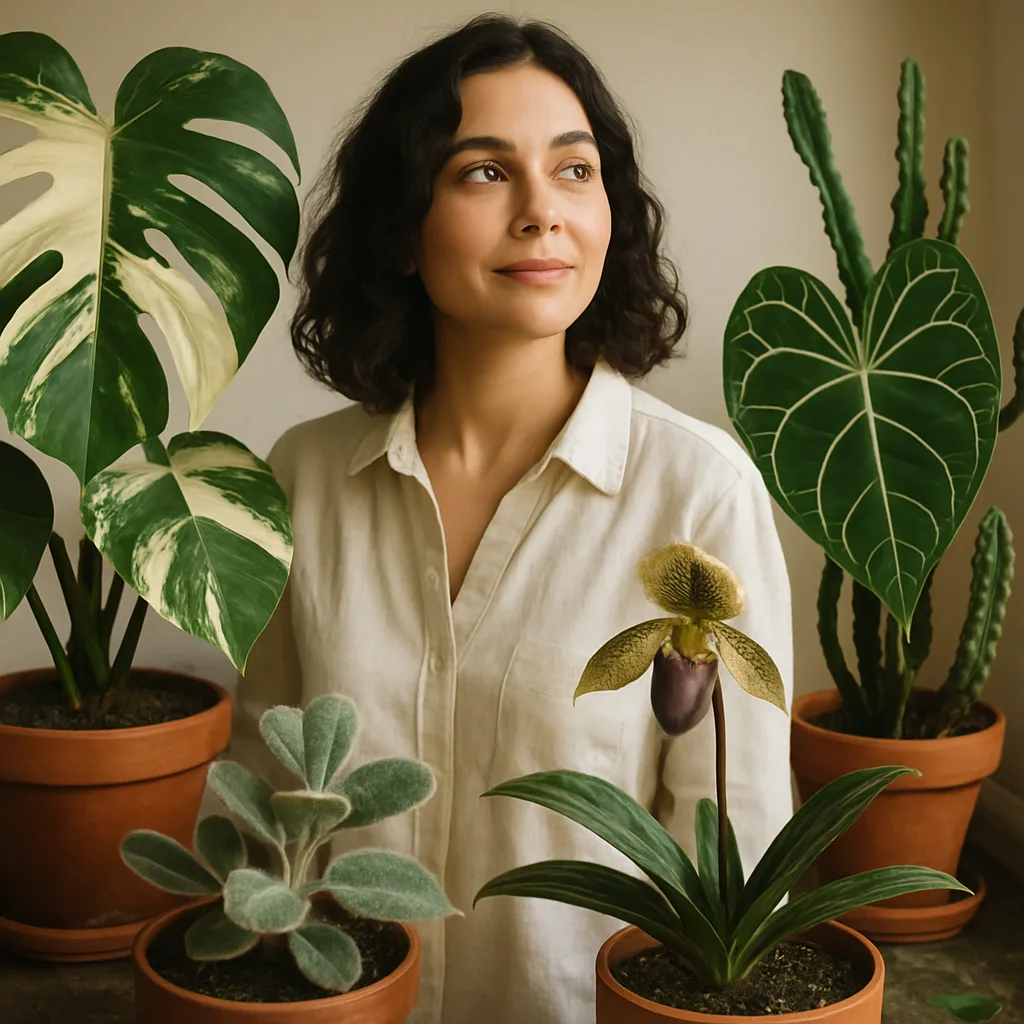
Bringing a touch of nature indoors with stunning houseplants can transform any living space into an oasis of tranquility. One of the most exciting aspects of indoor plant care is selecting rare and exotic varieties that not only thrive but also enhance the elegance of your home. However, one crucial factor often overlooked is how indoor lighting conditions can make or break the success of cultivating these rare gems. In this article, you’ll discover how I navigated the challenges of lighting to ensure my rare indoor plants thrived, and what lessons I learned along the way.
The Importance of Understanding Indoor Lighting
When I first delved into the world of rare indoor plants, I was eager to fill my home with unusual species like the variegated Monstera and the elusive Blue Star Fern. However, I quickly realized that understanding the lighting needs of these plants was more complex than anticipated. Each plant species has unique requirements that are influenced by the intensity and duration of light they receive.
Natural Light: More Than Just a Sunny Window
The common assumption is that a sunny window can meet all your plants’ lighting needs. While windows do provide natural light, not all windows are created equal. For instance, south-facing windows offer the most intense light, which may be too harsh for some plants like the delicate Maidenhair Fern. In contrast, east or west-facing windows provide a gentler light, ideal for many indoor varieties.
My Experiment with Window Orientation
Curious about how window orientation affects plant health, I conducted an experiment. I placed a Calathea on a west-facing windowsill and another in a north-facing room. Within weeks, the plant in the west-facing window thrived with vibrant leaves, while the one in the north-facing room struggled with limp and faded foliage. This simple test emphasized the importance of matching plant placement with their light needs.
The Role of Grow Lights
While natural light can be unpredictable, grow lights offer a controlled lighting solution. They’re especially useful in areas lacking sufficient natural light or during the darker winter months. Grow lights mimic the sunlight spectrum, providing the necessary wavelengths for photosynthesis.
Testing Different Distances
After investing in a grow light, I was eager to see its impact. I positioned a grow light about 30 centimeters above a Philodendron and observed its growth over several weeks. Initially, the plant flourished, but I noticed signs of light burn on the leaves, suggesting the light was too intense. Adjusting the distance to 60 centimeters solved the problem, underscoring the need for careful positioning.
A Common Mistake: Overestimating Indirect Light
One of the myths I encountered was that indirect light meant any light that wasn’t direct sunlight. This led me to place a rare Peperomia in what I thought was a well-lit room. Over time, I noticed the plant’s growth was stunted, with leaves turning pale. It dawned on me that indirect light can still be too dim, especially if a room only receives reflected light from outside.
Seasonal Changes and Their Impact
Another aspect to consider is the seasonal variation in natural light. During winter, the sun’s path is lower, resulting in reduced light levels even from the sunniest windows. To compensate, I adjusted my plant positioning closer to the windows and supplemented with grow lights, ensuring they received adequate light despite the shorter days.
Conclusion
Embarking on a botanic adventure with rare indoor plants can be incredibly rewarding, but it requires a keen awareness of their lighting needs. My journey taught me that understanding how light interacts with your home environment is crucial in cultivating healthy and vibrant plants. From experimenting with window orientations to adjusting grow light distances, each step brought me closer to creating an optimal indoor environment.
As you fill your home with these botanical wonders, remember that lighting is not just a background element but a pivotal factor that can define the success of your indoor gardening endeavors. With the right balance, your home can become a sanctuary of rare beauty and elegance, where each plant tells its own story of light and growth.
Gardening Writer & Plant Enthusiast
Sarah Mitchell is a passionate gardening writer dedicated to helping people bring more nature into their homes. She loves exploring indoor plants, flowers, and sustainable gardening practices, sharing simple and practical tips that make plant care easier for everyone.