
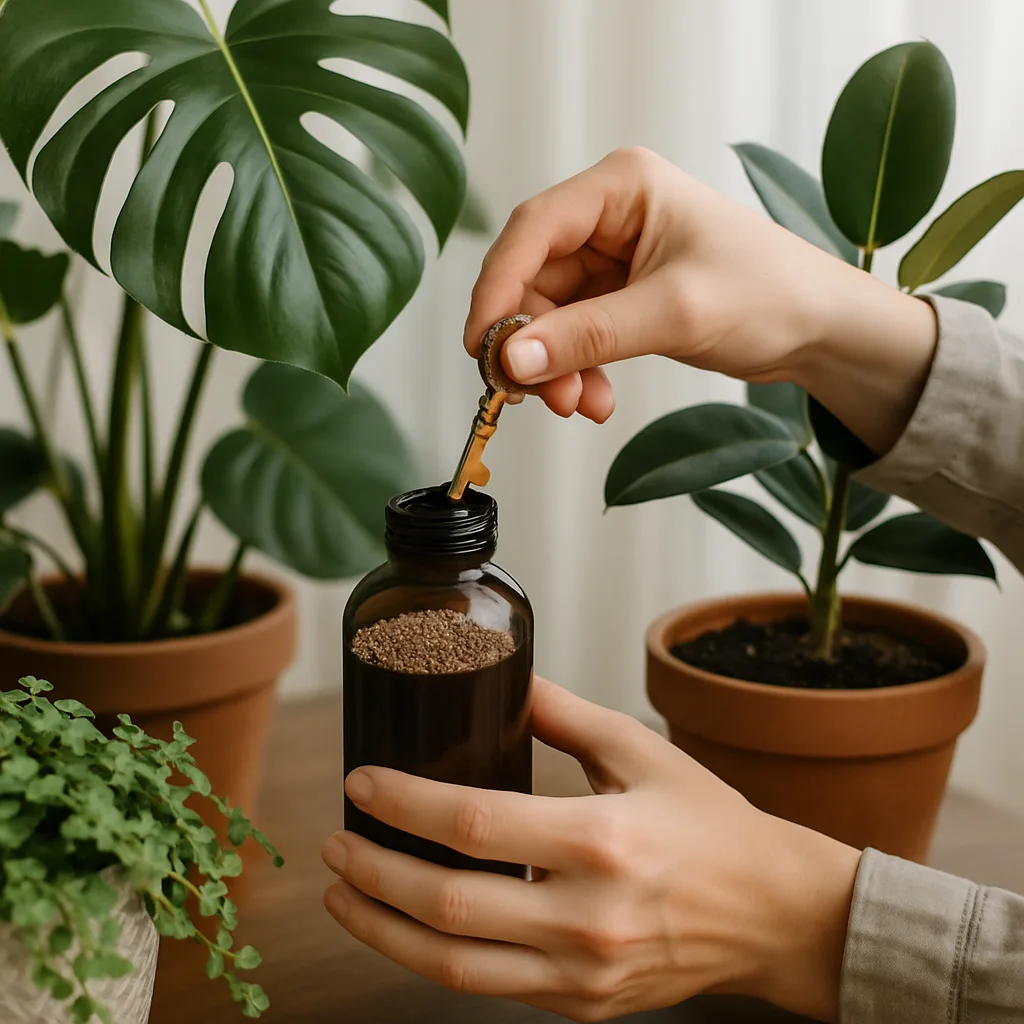
As a plant enthusiast, I’ve learned that the secret to maintaining vibrant and thriving houseplants goes beyond just watering and sunlight. One essential aspect often overlooked is fertilization, especially when it comes to specific indoor plant species. Today, let’s delve into the world of the Fiddle Leaf Fig and how mastering its fertilization can unlock the secret to lush greenery.
Understanding the Fiddle Leaf Fig
The Fiddle Leaf Fig, known scientifically as Ficus lyrata, is a popular choice for indoor gardeners due to its large, violin-shaped leaves and striking appearance. However, it’s also notorious for being a bit finicky. Understanding its natural habitat can provide insights into its care needs. Originally from the tropical regions of West Africa, this plant thrives in warm, humid environments with indirect sunlight.
The Importance of Proper Fertilization
While light and water are crucial, fertilization is the key to sustaining the Fiddle Leaf Fig’s health and growth. In the vibrant growth season from spring to early fall, these plants require a boost of nutrients to support their development. However, I initially underestimated the importance of fertilization, and my Fiddle Leaf Fig suffered from yellowing leaves and stunted growth.
Choosing the Right Fertilizer
When I first began caring for my Fiddle Leaf Fig, I mistakenly used a general-purpose fertilizer, which led to nutrient deficiencies. To correct this, I switched to a balanced liquid fertilizer with an NPK ratio of 3-1-2, which closely matches the plant’s needs. It’s crucial to avoid over-fertilization, as it can lead to burnt roots and leaf tips.
Application Frequency
Applying fertilizer once every month during the growing season is generally sufficient. During fall and winter, the plant’s growth slows significantly, reducing the need for additional nutrients. I learned this the hard way after over-fertilizing in winter, which caused root damage and leaf drop.
Signs of Nutrient Deficiency
Recognizing the signs of nutrient deficiency early can prevent further damage to your Fiddle Leaf Fig. Common symptoms include yellowing leaves, brown spots, and stunted growth. After my plant’s initial struggles, I realized these signs were my cue to adjust its fertilization routine.
Complementary Care Practices
Fertilization alone isn’t enough to ensure a thriving Fiddle Leaf Fig. Proper watering practices, maintaining humidity, and providing adequate light are equally important. I found that misting the leaves regularly and placing my plant near a south-facing window created the perfect environment for its recovery.
A Lesson Learned: Avoiding Common Mistakes
One of the most significant mistakes I made was assuming that more fertilizer would mean faster growth. In reality, the excess nutrients ended up doing more harm than good. Now, I follow the mantra of “less is more,” applying fertilizer carefully and observing my plant’s response.
Conclusion
Caring for a Fiddle Leaf Fig is a rewarding experience, but it requires attention to detail, especially when it comes to fertilization. By understanding its specific needs and avoiding common mistakes, you can ensure your plant thrives indoors.
If I were to start over, I’d focus on researching the specific nutrient requirements of my plant from the beginning. This would have saved me from the trial and error that nearly cost my Fiddle Leaf Fig its vitality. However, the process taught me valuable lessons about patience and observation in plant care.
In summary, mastering the fertilization of your Fiddle Leaf Fig can transform it into the lush, vibrant centerpiece of your indoor garden. Pay attention to its needs, adjust your care routine accordingly, and enjoy the beauty it brings to your home.

Gardening Writer & Plant Enthusiast
Sarah Mitchell is a passionate gardening writer dedicated to helping people bring more nature into their homes. She loves exploring indoor plants, flowers, and sustainable gardening practices, sharing simple and practical tips that make plant care easier for everyone.