
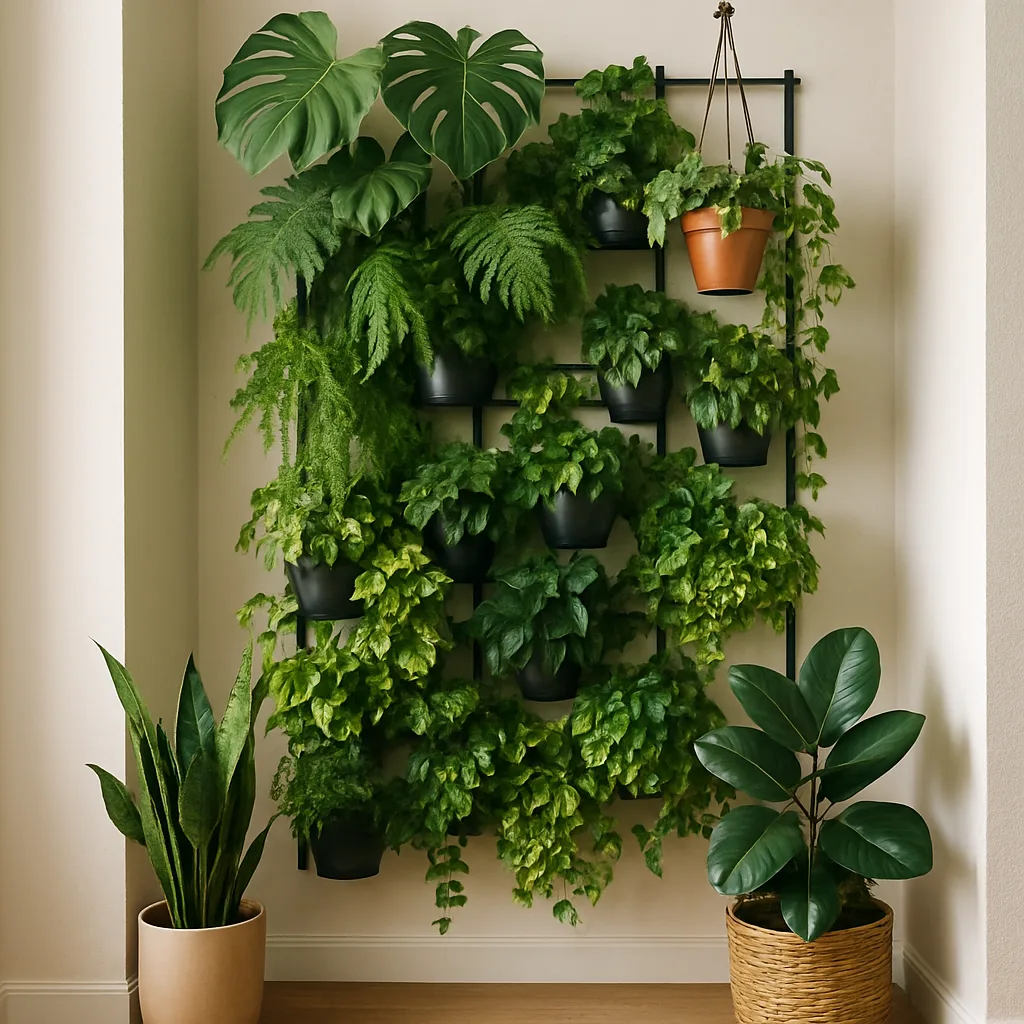
Transforming tight corners into vibrant, lush indoor gardens is not only a fantastic way to breathe life into your home but also perfect for maximizing space efficiency. Vertical gardens have become increasingly popular in recent years, and for good reason. They allow plant enthusiasts to cultivate a variety of species, bringing greenery and fresh air into even the smallest of spaces. However, despite their benefits, vertical gardens come with their own set of challenges. Today, I’ll dive into the ultimate hacks for creating stunning vertical gardens indoors, ensuring your green haven flourishes beautifully.
Understanding Vertical Gardens
Before we delve into hacks and solutions, it’s essential to understand what a vertical garden actually involves. Essentially, it’s a method of growing plants on vertically suspended panels using hydroponics or soil. These gardens are particularly suited to small spaces as they optimize the use of vertical areas, transforming blank walls into living works of art. But just like any gardening endeavor, they demand their own care and attention.
Common Problems in Vertical Gardens
Vertical gardens, while stunning, can present some challenges. One of the most frequent issues people encounter is improper watering, which can lead to problems such as root rot or pest infestations. Another common issue is inadequate lighting, especially when indoor lighting is insufficient to support plant growth. Additionally, nutrient deficiencies can arise due to limited soil depth, impacting plant health and growth.
Recognizing the Signs of Trouble
Identifying problems early is key to maintaining a healthy vertical garden. Look for signs such as yellowing leaves, which could indicate overwatering or nutrient deficiency. Wilting, despite moist soil, can suggest root rot or poor drainage. Leaf drop might be a result of stress from inadequate light. By observing these symptoms, you can begin to diagnose the underlying issues affecting your plants.
Investigating the Root Causes
To effectively address these issues, it’s crucial to investigate the root causes. Start by checking your watering routine. Is the soil consistently soggy? This might mean you’re overwatering. Conversely, if the soil is bone dry, underwatering could be at play. For lighting, consider the natural light exposure your garden receives. Are the plants getting at least six hours of indirect sunlight? If not, you might need to supplement with grow lights.
Differentiating Between Overwatering and Underwatering
Overwatering and underwatering present similar symptoms, but with careful observation, you can differentiate between the two. Overwatered plants often have yellowing leaves and wilting, yet the soil feels damp. Underwatered plants, however, have dry soil with crispy, browning leaf edges. Adjusting your watering schedule accordingly can help mitigate these issues.
Effective Solutions for Vertical Garden Success
Once you’ve identified the root cause, implementing the right solutions is crucial. For watering, consider installing a drip irrigation system to ensure consistent moisture without over-saturation. If lighting is an issue, invest in full-spectrum LED grow lights to provide adequate light for photosynthesis. When dealing with nutrient deficiencies, use a balanced liquid fertilizer to replenish essential nutrients.
Personal Experience with Vertical Garden Challenges
In my own experience, I once misdiagnosed a yellowing leaf issue in my vertical garden as a nutrient deficiency, only to later discover it was due to overwatering. By cutting back on watering and improving drainage, I saw a noticeable improvement within weeks. This taught me the importance of precise diagnosis and understanding the unique needs of vertical gardens.
Conclusion
Creating a stunning vertical garden in a tight indoor space is both a rewarding and challenging endeavor. By understanding common issues like watering, lighting, and nutrient needs, you can transform any small corner into a vibrant green oasis. Remember, observation is key; paying attention to the subtle signs your plants give you can make all the difference in their health and vitality.
In retrospect, I would advise any plant enthusiast embarking on their vertical garden journey to start small and gradually expand as they become more attuned to the needs of their plants. Vertical gardening is an art that requires patience and practice, but the end result—a lush, beautiful display of nature indoors—is well worth the effort. With these hacks, you’ll be well on your way to mastering the craft.

Gardening Writer & Plant Enthusiast
Sarah Mitchell is a passionate gardening writer dedicated to helping people bring more nature into their homes. She loves exploring indoor plants, flowers, and sustainable gardening practices, sharing simple and practical tips that make plant care easier for everyone.