
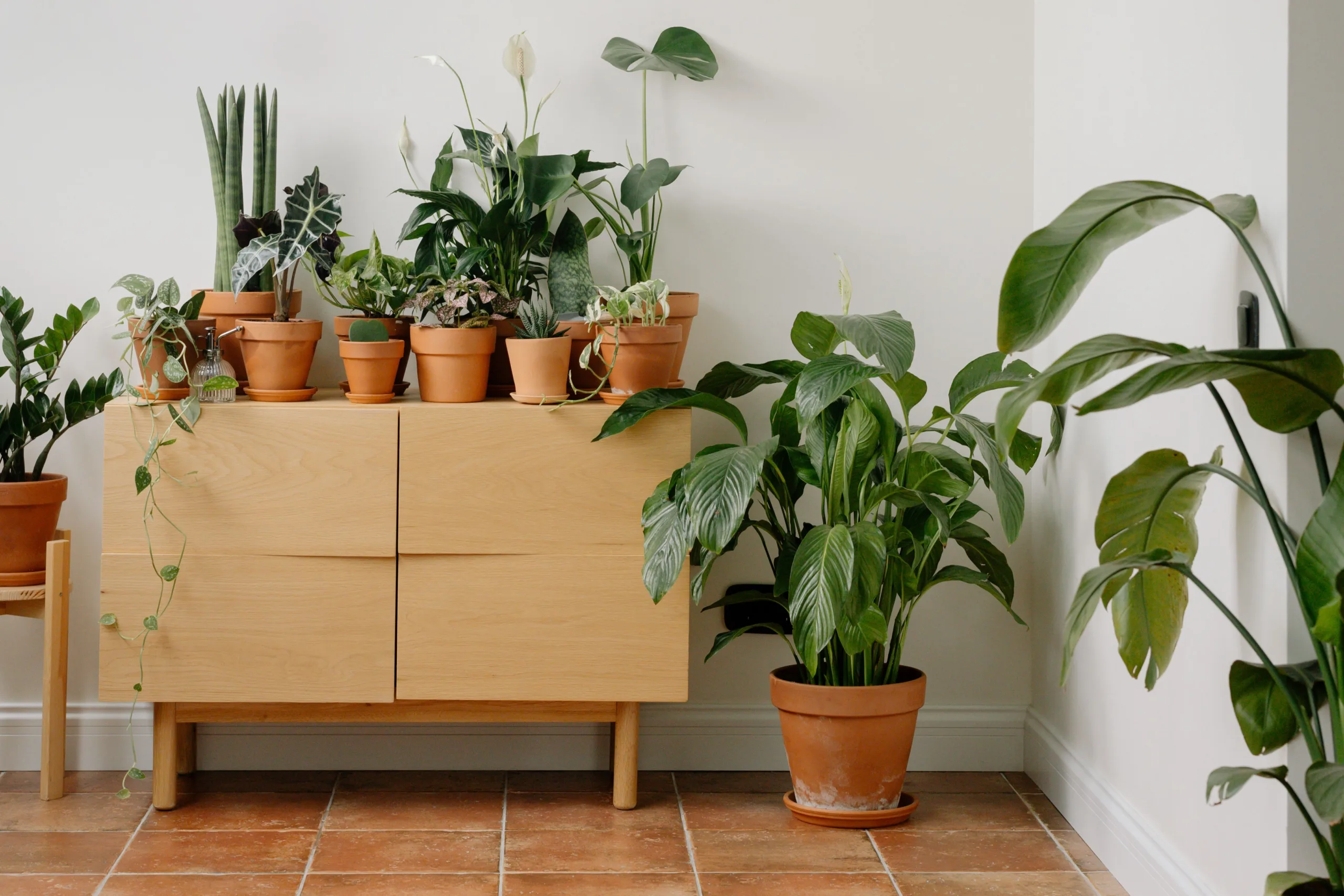
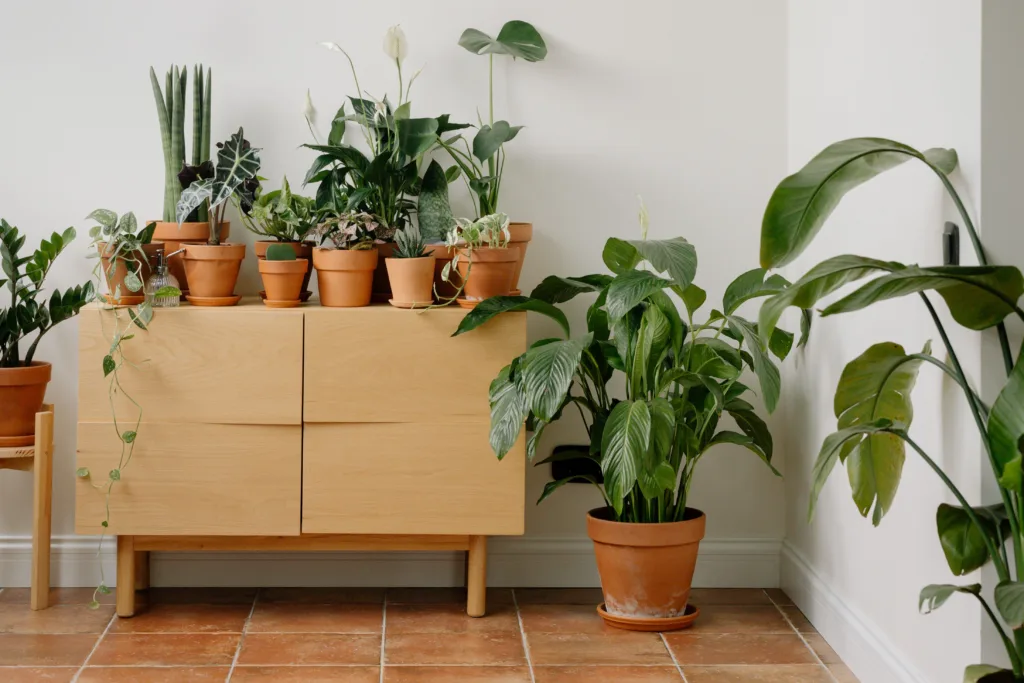
I started keeping a simple watering log last year, mostly to stop myself from second-guessing whether I’d already watered a particular plant recently. What I didn’t expect was how useful the log became as data once I had a full year of entries — it turned “water when the soil is dry” from vague advice into actual intervals I could see and compare across my collection.
Here’s what the log actually showed, plant by plant, across a full year.
Why “It Depends” Wasn’t Good Enough for Me Anymore
Every watering guide says frequency depends on plant type, light, humidity, and season, which is true but not very actionable when you’re standing in front of a specific plant trying to decide whether today’s the day. My log didn’t replace checking the soil — I still do that every time — but it gave me a realistic expectation for each plant, so I know roughly when to start checking rather than either forgetting a plant exists or checking it uselessly every other day.
What the Numbers Actually Looked Like
Succulents and cacti (Echeveria, jade plant, various small cacti): averaged 18-24 days between waterings in spring and summer, stretching to 30-40 days in winter. The range within this group was wider than I expected — my Echeveria consistently needed water sooner than my jade plant, by roughly a week each cycle, even sitting in similar light.
Snake plant and ZZ plant: both averaged even longer than my succulents, typically 25-35 days in the growing season and stretching past 45 days at least twice during winter months. These were, by a clear margin, the longest intervals in my entire log.
Pothos and philodendron: averaged 7-10 days in spring and summer, extending to 12-16 days in winter. These were fairly consistent with each other across the whole year, which matched how similarly they’ve behaved in every other aspect of care.
Peace lily: this was the plant where the log was most useful, since its dramatic drooping made me think it needed water more often than it actually did before I started tracking. The actual average came out to about 6-8 days in summer, only slightly more frequent than my pothos, despite how much more urgent the wilting always made it feel in the moment.
Calathea and prayer plant: both averaged 5-7 days, the shortest intervals of anything in my collection apart from a fern I no longer own. These needed the most consistent attention of any plants I tracked.
Aloe vera: averaged 16-20 days in the growing season, close to but slightly more frequent than my other succulents, stretching to nearly 30 days in winter.
Fertilized vs. unfertilized plants in the same log: I noticed, almost as a side observation, that plants I was fertilizing regularly during the growing season seemed to dry out slightly faster than genetically similar plants I wasn’t fertilizing as consistently, likely just from the faster growth and larger leaf surface area increasing water use, though I didn’t control for this rigorously enough to be fully confident in the pattern.
The Seasonal Shift Was Bigger Than I Expected
I’d read that plants need less water in winter, but seeing the actual numbers side by side made the scale of that shift much more concrete than the general advice had. My pothos nearly doubled its interval between waterings from summer to the depths of winter. My snake plant and ZZ plant, already infrequent in summer, became genuinely rare events in winter, sometimes going over six weeks without needing anything.
Where My Log Diverged From General Advice
A few things surprised me compared to what generic watering guides suggested. My peace lily needed water less often than the guides implied — despite its reputation for wanting consistent moisture, my actual measured interval was closer to my pothos than to my calathea, which I’d have assumed had similar needs given they’re both often lumped into “tropical plants that want consistent moisture.”
My jade plant and Echeveria also diverged from each other more than I expected for two plants often grouped simply as “succulents.” A week’s difference in average interval doesn’t sound dramatic, but over a year of tracking, it consistently showed up as a real pattern rather than random variation.
What I Actually Do With This Information Now
I don’t water on these intervals blindly — I still check soil moisture every time, since light changes, seasonal shifts, and even just moving a plant to a new pot can shift the actual timing. But the log has given me a rough mental calendar, so I know my calathea is worth checking again after about five days, while my snake plant genuinely doesn’t need a glance for several weeks. This has cut down significantly on both the anxious over-checking I used to do with plants that didn’t need it, and the accidental neglect of plants I’d forget about because they weren’t on my radar often enough.
Building Your Own Version of This
I don’t think you need anything sophisticated to get value from this — a simple note on your phone with a date next to each plant’s name, updated every time you water, is enough to start seeing real patterns after just a couple of months. The value isn’t in precision down to the day; it’s in noticing which plants in your specific space and light conditions cluster together into similar rhythms, and which ones diverge from what general advice would have predicted for their category.
What I’d Tell Someone Starting Their Own Watering Log
Track actual dates, not just “watered again,” so you can calculate real intervals later rather than relying on memory. Expect some surprises — plants I assumed would behave similarly based on general category, like peace lily and calathea, turned out to have measurably different rhythms once I actually had the data in front of me instead of going by reputation alone.
Gardening Writer & Plant Enthusiast
Sarah Mitchell is a passionate gardening writer dedicated to helping people bring more nature into their homes. She loves exploring indoor plants, flowers, and sustainable gardening practices, sharing simple and practical tips that make plant care easier for everyone.