
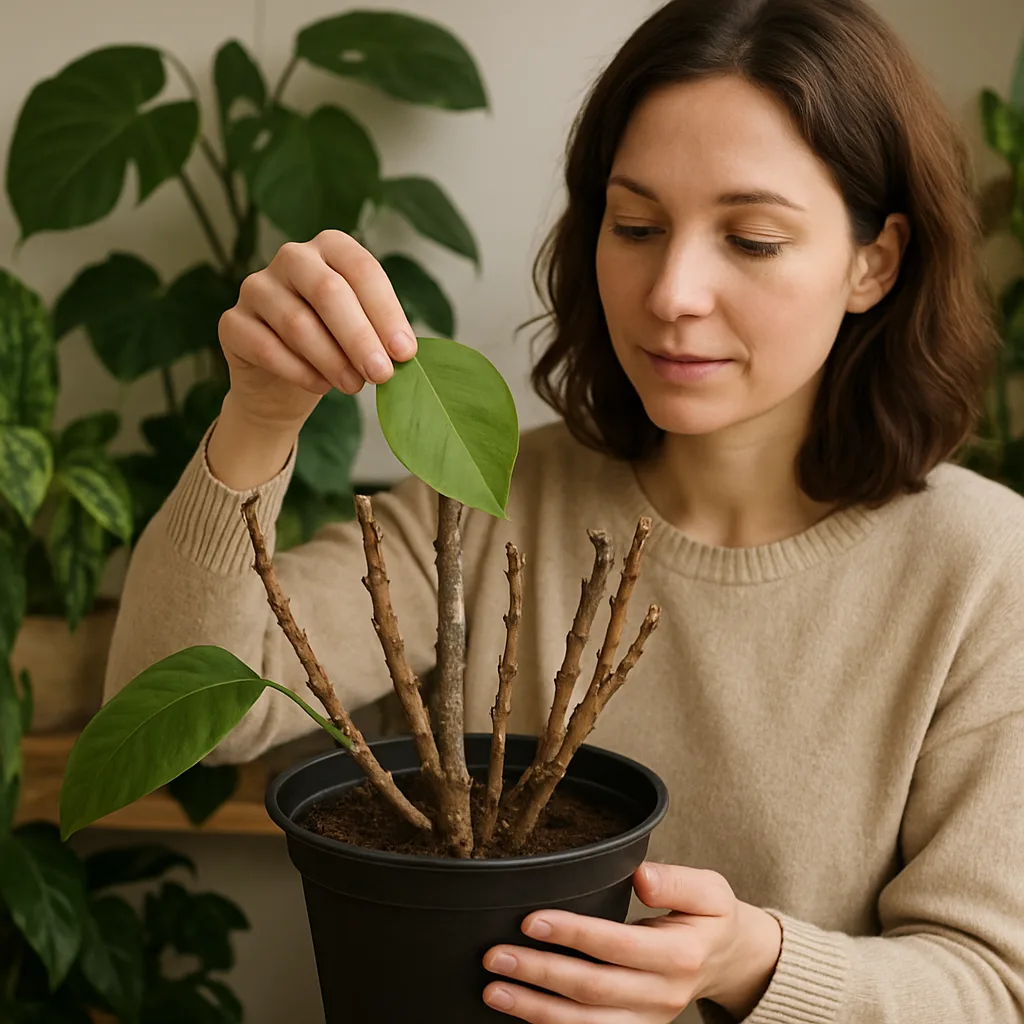
There is a magical phase in the life cycle of indoor plants that often goes unnoticed by beginners and busy plant enthusiasts alike—plant dormancy. This hidden phase can be the key to maintaining lush greenery throughout the year if managed correctly. Let me take you through my personal journey of discovering this phase and how it transformed my indoor plant management.
Understanding Plant Dormancy
Plant dormancy is a period where growth significantly slows down, and the plant conserves energy. This typically occurs in response to changes in daylight and temperature. I used to think my plants were simply dying when they stopped growing, but understanding dormancy has taught me that this is a natural and vital process.
Signs of Dormancy
Recognizing dormancy can be tricky. For example, my snake plant’s leaves looked lackluster during winter. Initially, I overwatered it, suspecting it was thirsty. However, I learned the hard way that overwatering during dormancy can lead to root rot. The signs to look out for include:
- Slower growth or a complete stop in new leaf production
- Duller leaf color
- Reduced water absorption
Managing Dormancy for Indoor Plants
To manage dormancy effectively, a few adjustments are necessary. Here’s what I’ve changed in my routine to accommodate my plants’ needs during this phase:
Adjusting Watering Practices
During dormancy, most plants require less water. For example, my pothos plant thrived once I cut back on watering to once every 10-14 days during its dormant period. It’s important to check soil moisture before deciding to water, as overwatering is a common mistake during dormancy.
Light and Temperature Considerations
Even during dormancy, adequate light is essential. I make sure my plants receive indirect light, especially during the shorter days of winter. For my peace lily, I found that maintaining a consistent room temperature of around 65°F to 75°F helps it stay healthy without triggering unwanted growth.
Choosing the Right Plants for Easy Dormancy Management
If you’re like me and have a busy schedule, choosing plants that can handle neglect during dormancy is crucial. Here are some of my favorites:
Snake Plant
Widely known for its resilience, the snake plant hardly needs attention during its dormant period. It’s perfect for beginners who might forget a watering session or two. Just be cautious of overwatering, as it can be detrimental.
Pothos
Pothos is another excellent choice due to its tolerance to low light and infrequent watering. Even though it’s a fast grower during active phases, it becomes quite the low-maintenance roommate during dormancy.
Potential Pitfalls and How to Avoid Them
It’s easy to make mistakes when managing plant dormancy, especially if you’re new to indoor gardening. Here are a few pitfalls to be aware of:
Overwatering
This is the most common mistake. Always let the soil dry out between waterings during dormancy. Use a moisture meter if you’re unsure—it’s been a lifesaver for me.
Ignoring Light Needs
Even in dormancy, plants need light. Avoid placing them in dark corners unless they’re species specifically tolerant to low light, like the ZZ plant.
Conclusion
Uncovering the hidden phase of plant dormancy has changed the way I care for my indoor plants. By understanding and respecting this natural cycle, I’ve managed to maintain vibrant, healthy greenery year-round. The journey involved some trial and error, but each mistake was a learning opportunity that improved my plant care regimen.
For anyone looking to keep their indoor garden thriving with minimal hassle, acknowledging and adapting to dormancy is crucial. Choose plants that align with your lifestyle and be patient with the process. With these insights, even the busiest of us can enjoy a lush indoor landscape all year long.

Gardening Writer & Plant Enthusiast
Sarah Mitchell is a passionate gardening writer dedicated to helping people bring more nature into their homes. She loves exploring indoor plants, flowers, and sustainable gardening practices, sharing simple and practical tips that make plant care easier for everyone.