
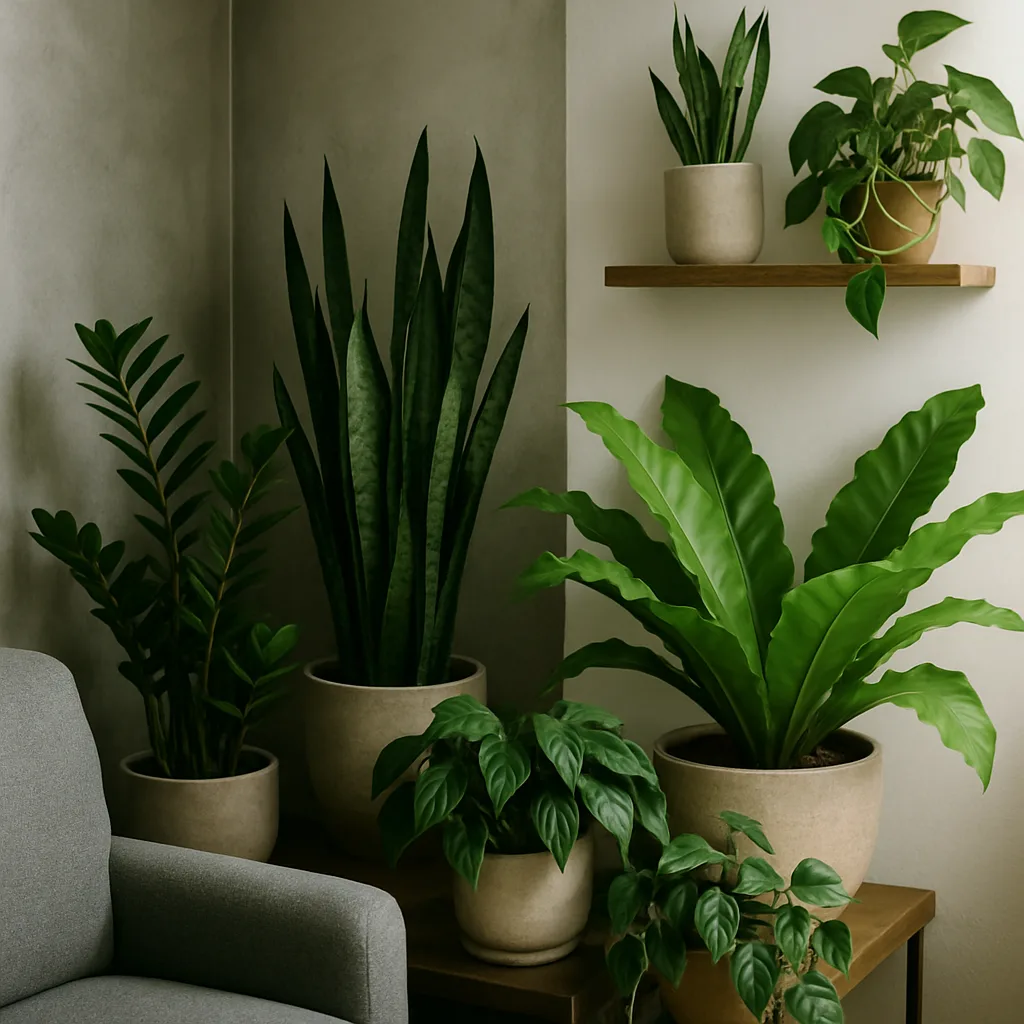
Transforming a dim corner of your home into a lush haven can be a delightful challenge, especially when choosing the right indoor plants that thrive in low-light conditions. While some might think it’s impossible to propagate plants in less-than-ideal lighting, there’s a world of possibilities with the right techniques and plant choices. Today, let’s dive into the ultimate guide for propagating low-light indoor plants, focusing on a technique that might surprise you with its effectiveness: water propagation.
Why Choose Water Propagation?
Water propagation is a fascinating method for rooting plant cuttings, and it’s particularly helpful when you want to closely monitor the root development. This technique allows you to see the progress of root growth clearly, which can be incredibly satisfying and educational. It’s also relatively mess-free and requires minimal equipment — just a clean, transparent container and some patience.
Selecting the Right Plant for Low-Light Conditions
When it comes to propagating in low-light environments, not all plants are created equal. For our project, I chose the Pothos (Epipremnum aureum), a plant renowned for its resilience and ability to thrive in less than perfect lighting. Its vibrant green leaves can quickly turn any dull space into a vibrant oasis.
Why Pothos?
Pothos is a popular choice due to its forgiving nature. It can survive in areas with little natural light and can be propagated with relative ease. These factors make it an ideal candidate for both beginners and seasoned plant enthusiasts looking to expand their indoor garden.
The Water Propagation Process
Step 1: Taking the Cutting
To begin, you’ll need a healthy pothos cutting. Look for a section of the plant with a few leaves and at least one node — the small bump on the stem where roots will eventually grow. Cut about 4-6 inches below a node using sterilized scissors or pruning shears to avoid introducing bacteria to the plant.
Step 2: Preparing for Propagation
Remove the lower leaves from your cutting to ensure that no foliage sits in the water, which can lead to rotting. Place the cutting in a clear glass or jar filled with room-temperature water, ensuring the node is submerged. Position the container in indirect, low-light conditions. A north-facing window or a distance away from a light source works perfectly.
Step 3: Monitoring the Progress
Over the next few weeks, keep an eye on the water level and ensure it remains topped up. Replace the water every 5-7 days to prevent stagnation and encourage healthy root growth. After about 2-4 weeks, you should start to see roots emerging from the node. The excitement of watching roots grow can be a real motivator, but remember, patience is key.
Common Mistakes and How to Avoid Them
One mistake I made during my first attempt was placing the cutting too close to a light source. Although Pothos thrives in low light, excessive direct sunlight can lead to leaf scorching. Another common error is neglecting to change the water regularly, which can result in algae growth and poor root development.
Signs of Success
Healthy root growth is a sure sign of success. The roots should appear white and firm. Once the roots are about 2-3 inches long, your cutting is ready to be potted into soil. This transition can take anywhere from 4-6 weeks, depending on environmental conditions and the plant’s unique characteristics.
Conclusion
Propagating low-light indoor plants like Pothos in water is not just a practical gardening technique but also an engaging pastime that offers a front-row seat to the miracle of plant growth. While each propagation journey is unique, understanding and adapting to the specific needs of your chosen plant can make all the difference.
My experience with Pothos has been an enriching one, filled with trial and error. If I were to start over, I’d emphasize the importance of maintaining consistent water hygiene and being mindful of the cutting’s light exposure. It’s essential to accept that not all attempts will result in success, but each provides valuable learning opportunities.
Ultimately, transforming a dim corner into a lush haven is about creativity, patience, and a willingness to learn. With the right approach and a bit of experimentation, you can master the art of propagating low-light indoor plants, bringing life and vibrancy to every corner of your home.

Gardening Writer & Plant Enthusiast
Sarah Mitchell is a passionate gardening writer dedicated to helping people bring more nature into their homes. She loves exploring indoor plants, flowers, and sustainable gardening practices, sharing simple and practical tips that make plant care easier for everyone.