
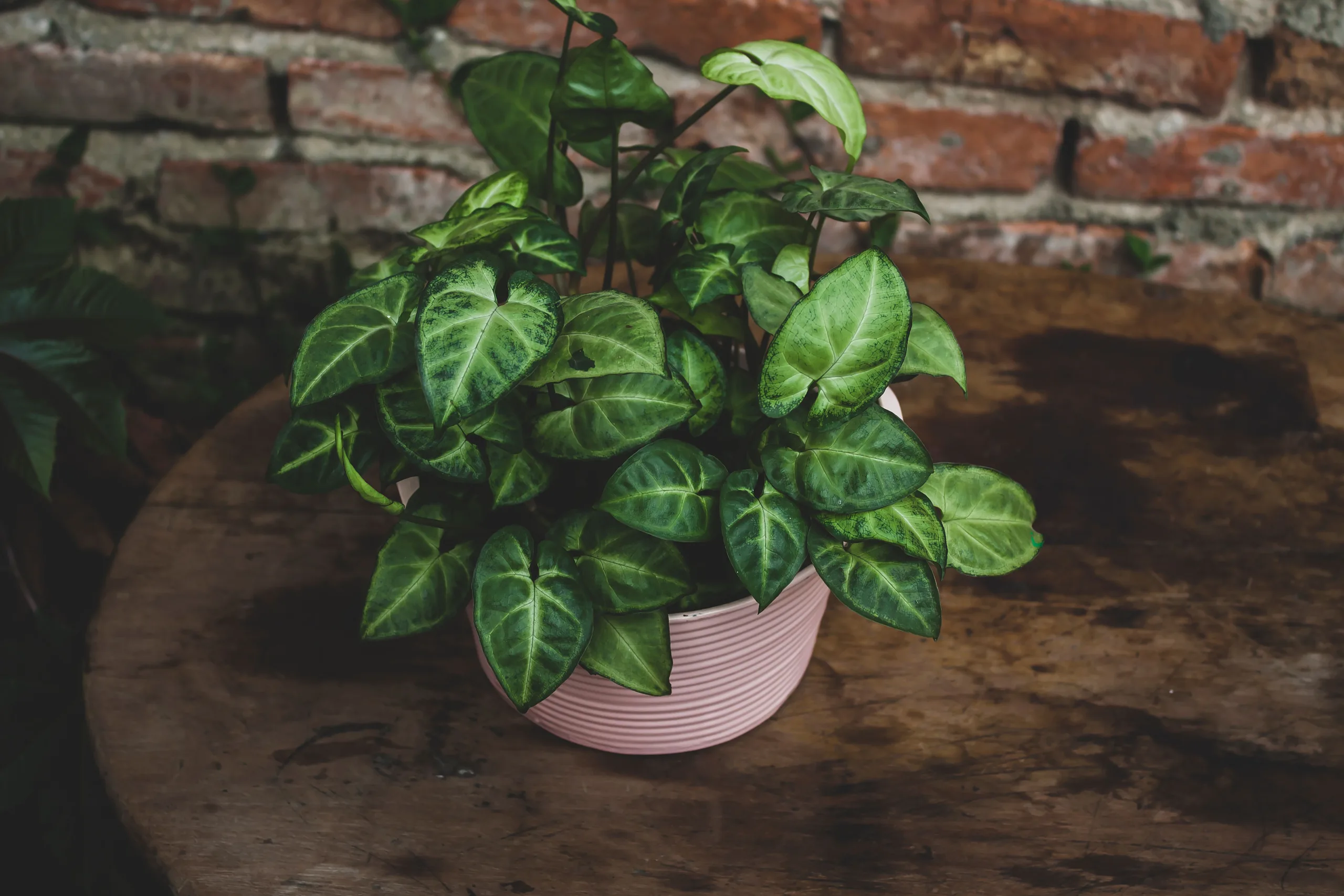
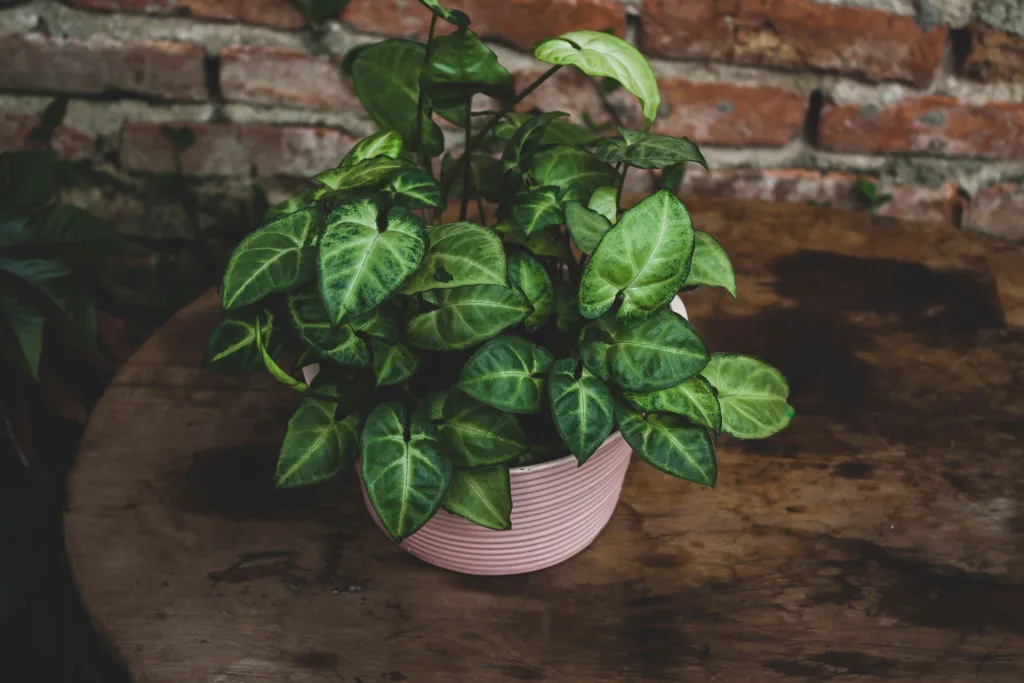
I added plants to my bedroom specifically because of claims I’d read about them purifying the air and boosting oxygen while I slept. Three plants later, I don’t think that’s really why my sleep improved, and I think it’s worth being honest about that distinction rather than repeating the same claims every other plant blog makes.
Here’s what I’ve actually noticed after living with bedroom plants for a couple of years, separated into what the marketing gets right and what it overstates.
The Claim I’ve Come to Doubt: Significant Air Purification
Nearly every bedroom plant article, including plenty I read before buying my own, cites a NASA study on plants filtering indoor air toxins. What most of these articles leave out is that the original study was conducted in sealed lab chambers, not a normal bedroom with regular airflow, and the number of plants needed to meaningfully affect air quality in an actual room is far higher than the one or two plants most of us keep on a nightstand or dresser. I don’t doubt plants do something at the molecular level, but I’ve stopped believing my three bedroom plants are meaningfully purifying the air in a room with a door, a window, and normal ventilation.
I’m not saying this to be a killjoy — I still keep the plants — but I think it’s honest to separate the marketing claim from what’s actually happening in a typical bedroom.
The Claim I’ve Also Come to Doubt: Oxygen at Night
Snake plants and a few other succulents are often singled out for supposedly releasing oxygen at night rather than absorbing it, based on their CAM photosynthesis process. This part is scientifically real, but the actual volume of oxygen involved from one houseplant is genuinely tiny compared to the air already in a bedroom, and I don’t think it’s realistic to expect a noticeable difference in how you breathe overnight because of a single plant on a shelf. I keep my snake plant because I like it, not because I believe it’s meaningfully changing the air I breathe while I sleep.
What I Think Is Actually Happening: A Wind-Down Ritual
Here’s what I do think has genuinely helped my sleep, based on paying attention to my own routine: caring for my bedroom plants has become a small, calming task I do in the evening — checking soil moisture, occasionally misting my prayer plant, wiping down a leaf or two. It’s a low-stakes, screen-free activity that’s become part of winding down before bed, and I suspect that ritual matters more for my actual sleep than anything the plants are doing to the air.
I also think the visual effect is real, separate from any air quality claim. A room with some greenery genuinely feels calmer to me than the same room without it, in the same way a tidy room feels calmer than a cluttered one. That’s a legitimate reason to have bedroom plants — I just don’t think it needs an inflated science claim attached to justify it.
What’s Actually Worked in My Bedroom, Practically
Snake plant has been genuinely low-maintenance in a bedroom specifically because it tolerates my inconsistent watering during busy weeks and doesn’t need bright light, which most bedrooms don’t have much of to begin with given how we typically position furniture away from windows for the bed itself.
Pothos, trailing from a shelf, has been my favorite for the room simply because it looks good with minimal effort and gives clear, recoverable signals if I forget to water it, rather than suffering silently.
Peace lily has been the pickiest of the three in my bedroom specifically, since the room gets less consistent light than my living room, and it hasn’t bloomed since I moved it there, even though the foliage stays healthy. I’d actually steer someone away from peace lily for a genuinely dim bedroom based on my own results, despite it showing up on plenty of “bedroom plant” lists.
What I’d Actually Consider Before Choosing a Bedroom Plant
Actual light in the room, not the room’s general reputation for being “bright” or “dim.” My bedroom has one window but the bed itself blocks a lot of that light from reaching where I keep my plants, which matters more than the window’s size.
How much attention you’ll realistically give it. A bedroom is somewhere I pass through in low-energy moments — right before sleep and right after waking — so I’ve found low-maintenance plants fit that rhythm better than anything demanding daily fuss.
Pet safety, if relevant. I don’t have pets, but if you do, it’s worth checking — some genuinely popular bedroom plants, including certain lilies, are toxic to cats specifically, which matters more in a room your pet likely has regular access to.
What I’d Tell Someone Adding Plants to Their Bedroom
Add them because you like having them there, and because tending to them can become a genuinely calming small ritual — not because you expect a measurable change in your air quality or oxygen levels overnight. In my experience, the psychological and routine-based benefits have been real and noticeable. The air purification claims, at the scale of a typical bedroom with one or two plants, have not held up to the scrutiny I gave them once I actually looked into where those numbers came from.

Gardening Writer & Plant Enthusiast
Sarah Mitchell is a passionate gardening writer dedicated to helping people bring more nature into their homes. She loves exploring indoor plants, flowers, and sustainable gardening practices, sharing simple and practical tips that make plant care easier for everyone.