
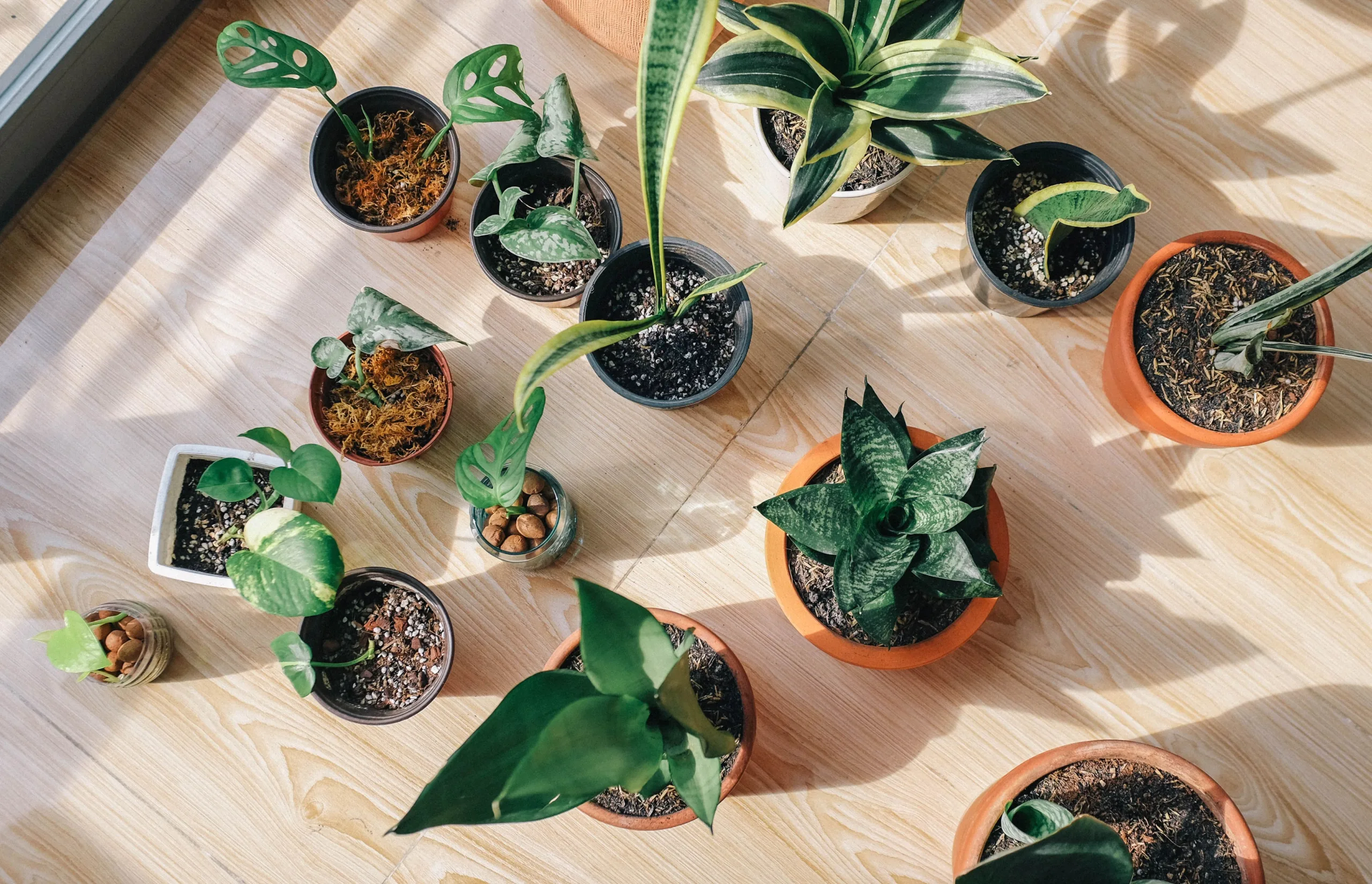
I’d always fertilized inconsistently — sometimes monthly, sometimes forgetting for half a year, without ever really knowing if it made a measurable difference. So last growing season I ran an actual comparison: I picked six plants with a duplicate or close match in my collection, fertilized one of each pair on a consistent schedule, and left the other completely unfertilized for the whole spring and summer. Here’s what I actually saw.
The Setup
I paired plants as closely as I could by species, age, and light conditions: two pothos cuttings from the same mother plant, two spider plants of similar size, a pair of snake plants, two peace lilies, two jade plants, and two philodendrons. One of each pair got a balanced liquid fertilizer diluted to half strength every three weeks from April through August. The other got water only, same schedule, same amount, just without the fertilizer added.
Pothos: The Clearest Difference
This was the pair where fertilizing made the most obvious visual difference. The fed pothos put out noticeably more new growth over the five months — I counted new leaves and it produced roughly 40% more than its unfed counterpart. The leaves also looked a slightly deeper green. The unfed pothos wasn’t struggling by any means, it just grew more slowly and the color was a touch paler by comparison when I looked at them side by side.
Spider Plant: A Difference in Plantlets, Not Just Leaves
The fed spider plant produced more plantlets over the test period, which surprised me since I’d expected leaf growth to be the main indicator. Leaf growth between the two was actually fairly similar, but the fed plant sent out noticeably more of the long stems that eventually produce baby spider plants. If propagation output matters to you specifically, this suggests fertilizing has a real payoff beyond just general vigor.
Snake Plant: Almost No Visible Difference
This was the most surprising result to me. Both snake plants grew at what looked like nearly the same rate over the five months, with maybe one extra leaf on the fed plant by the end, which could easily be within normal variation rather than a fertilizer effect. This tracks with what I’ve read about snake plants being slow growers with fairly low nutrient needs regardless of feeding, but seeing it confirmed directly, rather than just reading the claim, changed how I think about fertilizing this particular plant. I’ve since scaled back fertilizing my other snake plants without any apparent downside.
Peace Lily: A Difference Mostly in Blooming
Leaf growth was fairly comparable between the fed and unfed peace lily, but the fed plant produced two blooms over the test period while the unfed one produced none. If you’re growing peace lily primarily for the flowers rather than just the foliage, this result suggests fertilizing genuinely matters more than I would have guessed for this specific outcome, even if it doesn’t dramatically change leaf growth.
Jade Plant: A Subtle Difference I Almost Missed
Both jade plants looked similar at a casual glance throughout the test, but comparing close-up photos I’d taken at the start and end, the fed plant had slightly plumper, more robust-looking leaves and a touch more new growth at the branch tips. It was the most subtle difference of any pair in this experiment, and I don’t think I would have noticed it without deliberately comparing photos rather than just eyeballing the plants day to day.
Philodendron: A Clear Difference, Similar to Pothos
Like the pothos pair, the fed philodendron outpaced the unfed one in new leaf production, by a margin that felt comparable to the pothos result — noticeably more new growth, slightly richer leaf color. Given that pothos and philodendron are somewhat similar in growth habit, this result didn’t surprise me as much as the spider plant or peace lily findings did.
What This Told Me About Where Fertilizer Actually Matters
Based on this comparison, fertilizer made the clearest difference for my faster-growing vining plants — pothos and philodendron — and for outcomes tied to reproduction or flowering, like spider plant plantlets and peace lily blooms. It made almost no visible difference for my snake plant, and only a subtle one for jade plant, both slower-growing, more drought-tolerant plants by nature.
This lines up with something I’d read but hadn’t really tested myself: plants with a naturally slower growth rate and lower overall metabolic demand seem to need less supplemental feeding to look and perform well, while faster-growing plants show a more direct, visible payoff from consistent fertilizing.
What I’ve Actually Changed Since Running This
I’ve kept fertilizing my pothos, philodendron, spider plant, and peace lily on a consistent schedule during the growing season, since the results genuinely justified the small effort involved. I’ve scaled back significantly on my snake plants and jade plants, fertilizing them maybe twice a season instead of the roughly six times I was doing for the more responsive plants, without any decline I’ve noticed since making that change.
A Caveat Worth Mentioning
This was a single test across one growing season with one plant of each type per condition, not a rigorous scientific study — I don’t have replicates or controls beyond the pairing itself, and factors like slight differences in pot size or exact light exposure between paired plants could have influenced results somewhat. I’d treat this as a genuinely informative personal experiment rather than something you should take as definitive for every individual plant of these species. But it’s given me more confidence in adjusting my own fertilizing routine than just following generic advice ever did, since I could actually see the difference, or lack of one, for myself.
What I’d Suggest If You Want to Test This Yourself
If you have any duplicate or similar plants in your own collection, running a version of this comparison for even one growing season is a genuinely useful way to figure out where fertilizing actually earns its effort for your specific plants, rather than applying a blanket schedule to everything based on generic advice that doesn’t account for how differently various houseplants actually respond.

Gardening Writer & Plant Enthusiast
Sarah Mitchell is a passionate gardening writer dedicated to helping people bring more nature into their homes. She loves exploring indoor plants, flowers, and sustainable gardening practices, sharing simple and practical tips that make plant care easier for everyone.