
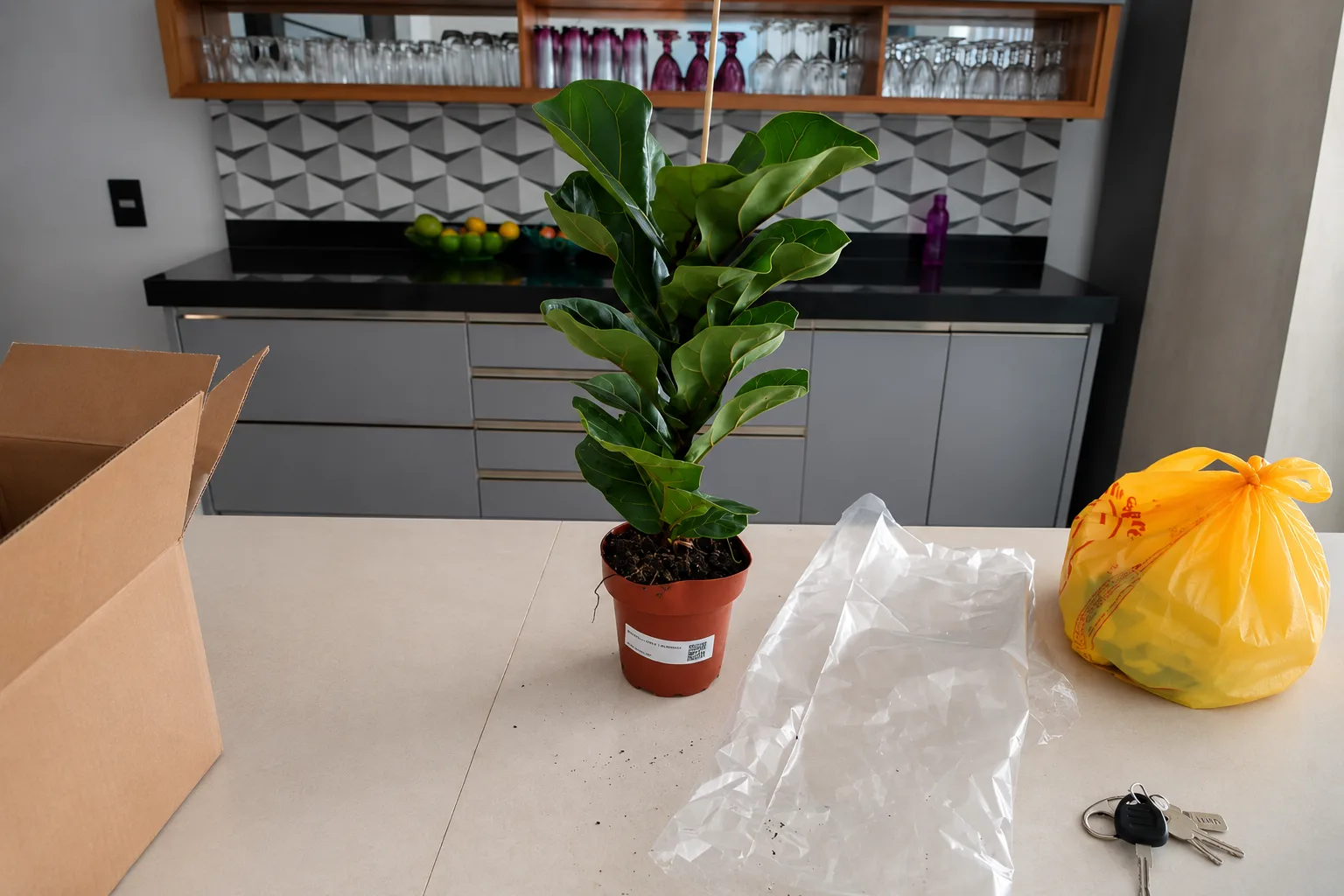
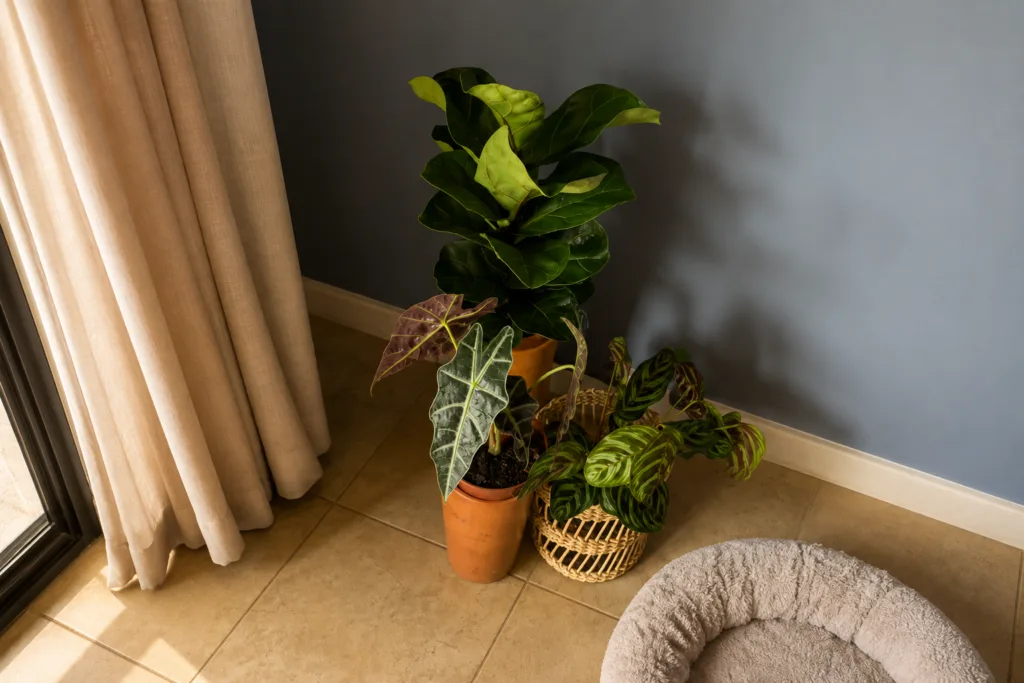
I used to think my apartment just wasn’t “plant friendly.” My pothos looked fine, but every fiddle leaf fig I bought turned into a leggy, sad stick within two months. It wasn’t until a friend pointed out that my north-facing living room gets maybe 40 minutes of direct light a day that I realized the problem wasn’t me — it was the light. That’s when I started researching grow lights, and honestly, the amount of confusing marketing out there almost made me give up before I started.
This is the guide I wish I’d had: what actually matters when you’re picking grow lights for plants, what I got wrong the first time, and what’s been working in my space for the past year.
My First Mistake: Buying the Cheapest Panel I Could Find
The first light I bought was a $19 clip-on LED from a marketplace listing that promised “full spectrum growth.” I clipped it to a shelf about 18 inches above a struggling pothos and left it on 24/7, thinking more light equals more growth. Within two weeks, the newest leaves had crispy brown edges, and growth basically stalled.
Turns out I’d made two mistakes at once: the light was far too weak to do much good at that distance, and plants actually need a dark period — I was essentially giving mine constant jet lag. Once I put it on a cheap outlet timer for 14 hours on, 10 hours off, and moved it closer to about 8 inches, the difference within a month was obvious — new leaves came in without the crispy edges, and the plant started pushing out growth again.
What Actually Matters (Beyond the Marketing Buzzwords)
Every product listing throws around “full spectrum” and “high PAR” like they’re magic words. Here’s what I’ve learned actually changes results:
Distance and intensity, not just wattage. A powerful light too far away does almost nothing. A weaker light too close can scorch leaves. I ended up doing the boring thing — checking the manufacturer’s recommended hanging height and starting there, then adjusting based on how the plant responded over a couple of weeks.
The light spectrum for the plant’s stage matters more than “full spectrum” as a buzzword. Bluer light pushed my leafy houseplants (pothos, philodendron) toward compact, sturdy growth. My flowering plants — I keep a couple of African violets — genuinely responded better once I switched to something with more red in the mix during their bloom phase. If a listing doesn’t tell you the actual spectrum breakdown, that’s a bit of a red flag.
A timer isn’t optional. I resisted buying one at first because it felt like an unnecessary expense. It wasn’t. Plants need consistent darkness to actually process the energy they’ve absorbed. A $12 mechanical timer fixed more problems for me than any lighting upgrade did.
Comparing the Main Types I’ve Actually Tried
| Type | What I used it for | What I noticed |
|---|---|---|
| Clip-on LED bulb | Single pothos on a bookshelf | Cheap and fine for low-light houseplants, but too weak for anything flowering |
| Full panel (hung above a shelf) | A cluster of 6 plants including succulents | Best coverage, but needed to raise it further above the succulents than the leafier plants to avoid bleaching |
| Screw-in bulb in a regular lamp | Temporary fix for a seedling tray | Worked in a pinch, but I outgrew it within a month as seedlings got taller |
None of these are “the best” in isolation — it really depended on what I was growing and how much space I had.
Signs Your Setup Isn’t Working (That I Missed the First Time)
- Leaves turning pale or yellow despite the light being “on all the time” — usually means it’s too far away or too weak, not that it needs more hours.
- Crispy, curling leaf edges — almost always too close, in my experience, especially with thin-leafed plants like calathea.
- Leggy, stretched-out stems reaching sideways — the plant is telling you it’s not getting enough intensity, even if the light is technically on.
I made all three of these mistakes within my first two months of using grow lights, so if you’re seeing any of them, you’re not doing anything unusually wrong — it’s just trial and error.
What I’d Tell a Friend Starting From Scratch
If I were setting this up again, I’d start with one full-spectrum panel over my most light-hungry plants, put it on a timer from day one, and resist the urge to crank up the intensity or duration to “speed things up.” Plants respond over weeks, not days, and the biggest improvements in my own space came from consistency — same hours, same distance, small adjustments based on what the leaves were actually telling me — rather than buying a more expensive light.
Frequently Asked Questions
How far should a grow light be from my plants? It depends on the light’s strength, but as a starting point, most panels are meant to sit 12–24 inches above leafy houseplants and closer for high-light plants like succulents. Check leaf color and growth after two weeks and adjust from there.
How many hours a day should I run a grow light? Most houseplants do well with 12–16 hours of light followed by a real dark period. I settled on 14 hours after testing a few schedules.
Can one grow light work for multiple plant types? Yes, but placement matters more than the light itself — group plants with similar light needs together, and expect to raise or lower the light (or move certain plants) rather than expecting one setting to suit everything.

Gardening Writer & Plant Enthusiast
Sarah Mitchell is a passionate gardening writer dedicated to helping people bring more nature into their homes. She loves exploring indoor plants, flowers, and sustainable gardening practices, sharing simple and practical tips that make plant care easier for everyone.