
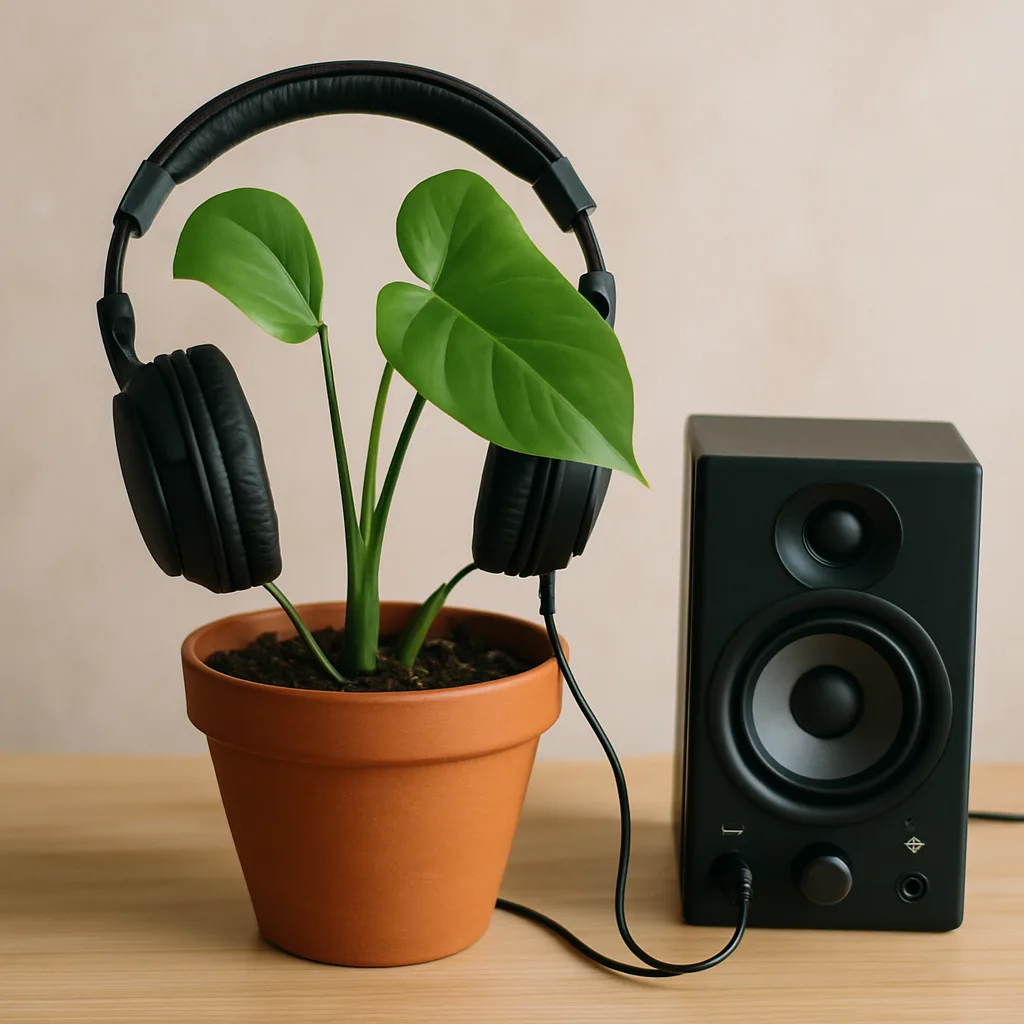
Have you ever wondered if music can actually help your houseplants thrive? The idea might sound unusual, but there’s been a growing interest in the impact of sound on plant health. While some believe that serenading your plants with melodies could enhance their growth, others remain skeptical. In this article, we’ll explore the fascinating relationship between music and plant vitality and see if there’s any truth to the claim that music can serve as a catalyst for healthier, more vibrant houseplants.
The Science Behind Music and Plant Growth
The notion that music affects plant growth isn’t entirely far-fetched. Plants, like any other living organism, are sensitive to their environment, including sound vibrations. Some researchers suggest that sound waves could influence various physiological processes within plants, such as nutrient uptake and growth rate. Indeed, studies have shown that certain types of music or sound frequencies might impact plant growth, but results vary widely based on numerous factors including plant species and the type of music played.
Types of Music That Could Influence Growth
When it comes to choosing the right tunes for your green friends, not all music is created equal. Classical music, with its harmonious tones and gentle rhythm, is often cited as having a positive effect on plants. It’s thought that these compositions can promote a tranquil atmosphere that aids growth. In contrast, genres with heavy bass or chaotic sounds, such as rock or heavy metal, haven’t been shown to be as effective and, in some anecdotal cases, might even have adverse effects.
How to Use Music in Your Plant Care Routine
Integrating music into your plant care routine requires some consideration. Firstly, consider the volume; plants have been shown to respond more favorably to gentle, not overpowering, sounds. Playing music at a moderate level for a few hours a day could be beneficial. Additionally, make sure to rotate the playlist to keep the sound environment fresh and engaging. Timing can also be key: playing music during active growth periods may enhance its positive effects.
Personal Experience: Trials and Tribulations
In my own experiment with music and plant growth, I decided to test the theory using a pair of pothos cuttings. One cutting was exposed to classical music for four hours daily, while the other was left in silence. After about six weeks, the music-exposed cutting displayed slightly more vigorous growth, with longer roots and more vibrant leaves. However, it’s worth noting that the differences weren’t dramatic and other factors like light and watering consistency could have played a role.
Common Mistakes and Misconceptions
One common mistake is assuming that music can replace good basic plant care. Music should be seen as a supplement to, not a replacement for, essential plant care practices such as adequate watering, appropriate lighting, and proper nutrition. Another misconception is expecting immediate results. Plant growth is a gradual process, and while music might help, it’s unlikely to produce overnight changes.
Signs of Success
If you decide to experiment with music, look for signs that your plants are responding positively. Increased leaf size, more robust root development, and a general lushness are indicators that your plants might be enjoying the tunes. Keep in mind that results can vary depending on the species and individual plant needs, so patience and observation are key.
Conclusion
While the scientific community is still divided on the definitive impact of music on plant growth, the anecdotal evidence suggests that there could be some benefit to incorporating music into your plant care routine. My own experiences have shown subtle yet encouraging results, reinforcing the idea that sound can play a role in promoting plant health.
Ultimately, whether or not music significantly boosts plant vitality, the practice of playing music for your plants can be a delightful and rewarding ritual. It encourages you to spend more time connecting with your green companions, nurturing not only their growth but also fostering your own sense of well-being. So, why not give it a try? You might just find that both you and your plants enjoy the added harmony in your home.

Gardening Writer & Plant Enthusiast
Sarah Mitchell is a passionate gardening writer dedicated to helping people bring more nature into their homes. She loves exploring indoor plants, flowers, and sustainable gardening practices, sharing simple and practical tips that make plant care easier for everyone.