
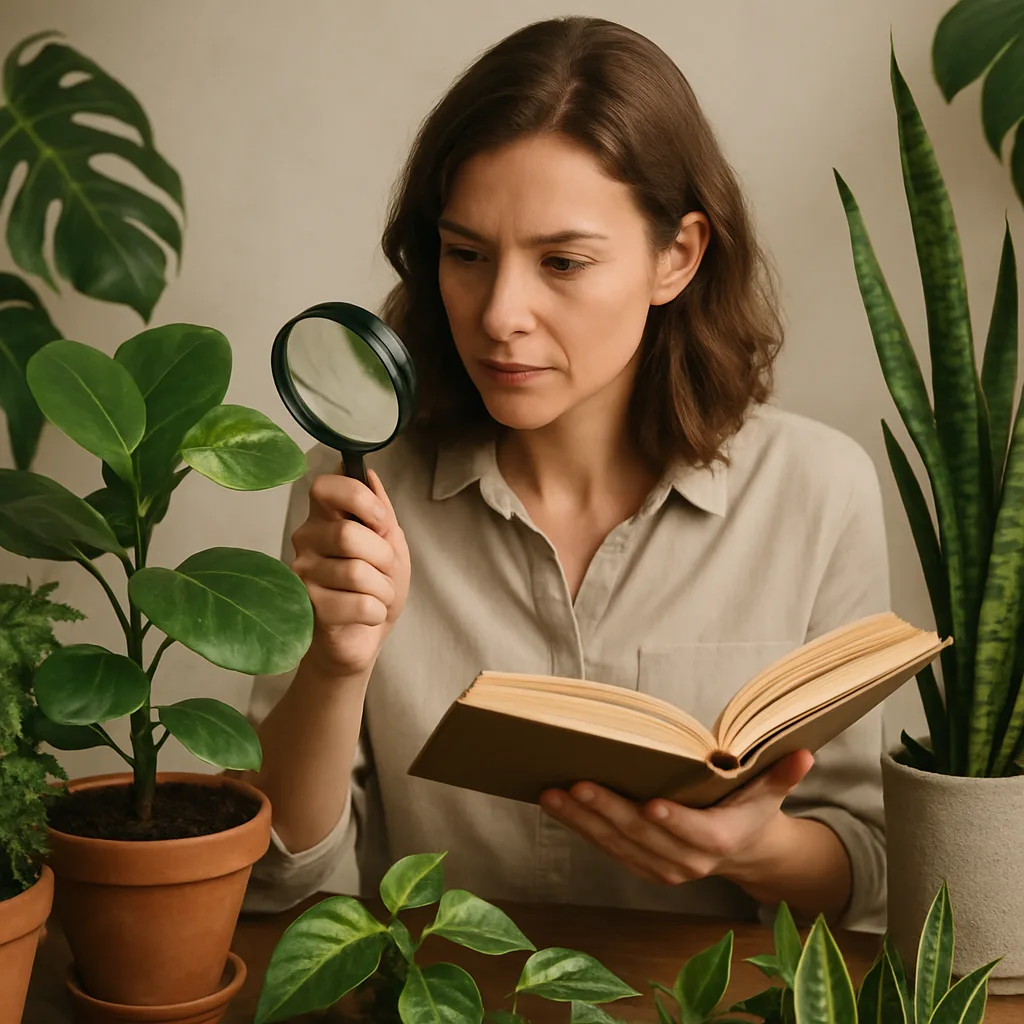
When I first delved into the world of houseplants, I believed that keeping them alive would require constant vigilance and a green thumb that I simply didn’t possess. However, what I discovered was a fascinating secret that transformed my approach: the role of plant hormones. Understanding these natural chemicals can help even the busiest or most novice plant owner maintain vibrant and thriving indoor gardens with minimal effort.
Understanding Plant Hormones
Plant hormones, or phytohormones, are natural substances that control various functions in a plant’s life cycle, such as growth, flowering, and response to stress. These hormones include auxins, gibberellins, cytokinins, ethylene, and abscisic acid. By understanding how these hormones work, you can choose houseplants that are not only low-maintenance but also suited to your specific environment.
Choosing the Right Plant for Your Environment
One key lesson I’ve learned is that selecting the right plant for your environment is crucial. For instance, if you live in a small apartment with limited light, you might want to consider plants that are naturally adapted to low-light conditions. It’s not just about surviving; it’s about thriving with minimal intervention.
Low-Light Champions: Snake Plant and ZZ Plant
The Snake Plant (Sansevieria) and ZZ Plant (Zamioculcas zamiifolia) are excellent examples of low-light champions. Both plants have adapted to environments with little natural light, making them perfect for dimly lit rooms.
The Snake Plant uses fewer resources and grows slowly, requiring less frequent watering. Its architectural leaves can also help purify the air. In contrast, the ZZ Plant thrives on neglect, and its tuberous roots store water efficiently, making it drought-tolerant. However, be cautious not to overwater, as both species are susceptible to root rot.
Plant Hormones and Low-Maintenance Care
Understanding how plant hormones interact with their surroundings can help manage plant care more effectively. For instance, auxins promote root development, which is crucial for nutrient uptake and stability. This means that when repotting or propagating, using a rooting hormone can significantly enhance growth.
Calming Plant Stress: Peace Lily
The Peace Lily (Spathiphyllum) is another low-maintenance plant that benefits from understanding plant hormones. This plant releases ethylene, which can help signal and manage stress responses, allowing it to adapt quickly to different conditions.
While it requires regular watering, the Peace Lily is forgiving and will droop to indicate when it needs water — a feature that’s perfect for beginners who might forget to stick to a strict watering schedule.
Common Mistakes and How to Avoid Them
One mistake I made early on was over-fertilizing. Plant hormones already regulate growth, so excessive fertilization can lead to nutrient burn. It’s essential to follow the ‘less is more’ approach, especially with low-maintenance plants that require fewer nutrients.
Another error was inconsistent watering. While some plants like the Peace Lily can bounce back from a missed watering, others like the ZZ Plant thrive on consistency. Understanding the moisture needs of your specific plants can prevent unnecessary stress and hormone disruption.
Conclusion
Unlocking the secret world of plant hormones has completely changed how I care for my indoor plants. By choosing species that naturally fit into my lifestyle and understanding their hormonal needs, I’ve cultivated a thriving indoor garden with minimal effort.
Whether you’re a beginner or someone with a busy schedule, embracing the science of plant hormones can simplify plant care and enhance the vitality of your green companions. Remember that each plant has its quirks, and the joy of plant ownership comes from learning and growing alongside them.
Gardening Writer & Plant Enthusiast
Sarah Mitchell is a passionate gardening writer dedicated to helping people bring more nature into their homes. She loves exploring indoor plants, flowers, and sustainable gardening practices, sharing simple and practical tips that make plant care easier for everyone.