
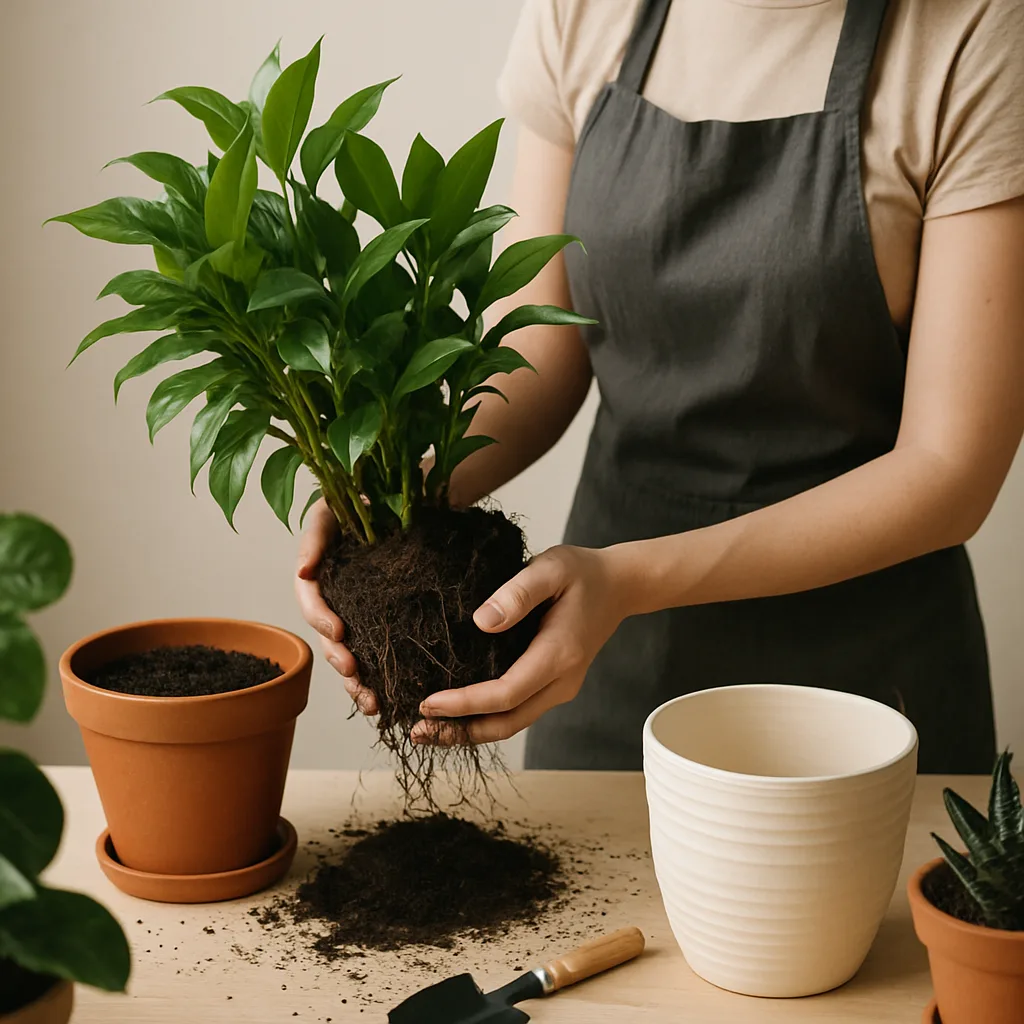
Houseplants can breathe life into any space, providing not only aesthetic appeal but also improving air quality and boosting mood. However, ensuring these leafy companions thrive involves more than just sunlight and water. One essential, yet often overlooked, skill for plant enthusiasts is mastering the art of repotting. Recognizing the game-changing signs that your plant needs a new home can make all the difference between a wilting plant and a flourishing, happy one. Let’s delve into how you can master this art and keep your houseplants thriving.
Understanding When to Repot
Repotting is crucial for plant health, yet timing is key. How do you know when it’s time to make the move? Here are some telltale signs:
Root Bound Woes
If you notice roots growing through the drainage holes or circling the top of the soil, your plant may be root bound. This condition restricts growth and can suffocate your plant. In my experience, ignoring these signs can lead to a stunted plant that struggles to absorb water and nutrients.
Water Drainage Issues
When water sits on the surface for too long or drains immediately, it’s a red flag. My pothos once stopped absorbing water properly, leading me to discover that it was extremely root bound. After repotting, it bounced back with new growth and healthier leaves.
Stunted Growth or Yellowing Leaves
If a plant stops growing or its leaves turn yellow despite proper care, it might need more space. I learned the hard way with a peace lily that appeared healthy until its growth stalled. Repotting rejuvenated it, and new leaves sprouted within weeks.
Choosing the Right Pot and Soil
Once you’ve decided to repot, selecting the correct pot and soil is critical. Here’s how you can make the best choices:
Pot Size and Material
Choose a pot that is 1-2 inches larger in diameter than the current one. Too large a pot can lead to water retention issues. Materials like terracotta are breathable but dry quickly, while plastic retains moisture. I prefer terracotta for succulents but opt for plastic for ferns.
Soil Selection
Different plants have varied soil needs. Cacti and succulents thrive in well-draining soil, while tropical plants prefer soil that retains moisture. Using the wrong type of soil can hinder growth, as I found out with a failed attempt to grow a cactus in regular potting mix.
Step-by-Step Repotting Guide
Once you gather the materials, follow these steps for successful repotting:
1. Preparation
Water the plant a day before to loosen the soil. This makes removal easier and less stressful for the plant.
2. Gently Remove the Plant
Turn the pot on its side and gently slide the plant out, supporting the root ball with your hand. If it’s stuck, gently tap the pot or use a knife to loosen the edges.
3. Inspect and Prune
Examine the roots, trimming any that are dead or excessively long. This encourages new growth and prevents root rot.
4. Select the Right Soil
Fill the new pot with a layer of fresh soil, position the plant, and fill in around the root ball. Ensure the plant is at the same depth as before.
5. Water Thoroughly
After repotting, water the plant thoroughly to help it settle and remove any air pockets. This step is crucial for root contact with the new soil.
Common Repotting Mistakes to Avoid
Even the most experienced plant parents can make mistakes. Here’s what to watch out for:
Overpotting
Choosing a pot that is too large can lead to waterlogged soil and root rot. Stick to the recommended size increase to avoid this pitfall.
Ignoring Plant Needs
Not all plants require frequent repotting. Research each plant’s needs, as some, like orchids, prefer to be slightly root bound.
Conclusion
Mastering the art of repotting is a game changer for any indoor gardening enthusiast. By recognizing the signs that your plant needs a new home and understanding how to provide the right conditions, you can ensure that your leafy friends thrive. Repotting improves not only the plant’s health but also its ability to produce new growth, ultimately leading to a more vibrant and healthy plant.
Remember, while repotting might seem daunting, with careful observation and a little practice, it becomes an invaluable skill that benefits both you and your plants. Each successful repotting operation builds your confidence, transforming you from a novice plant owner to a seasoned plant caregiver. So, take a closer look at your plants today and see which ones are ready for a fresh start in a new pot!

Gardening Writer & Plant Enthusiast
Sarah Mitchell is a passionate gardening writer dedicated to helping people bring more nature into their homes. She loves exploring indoor plants, flowers, and sustainable gardening practices, sharing simple and practical tips that make plant care easier for everyone.