
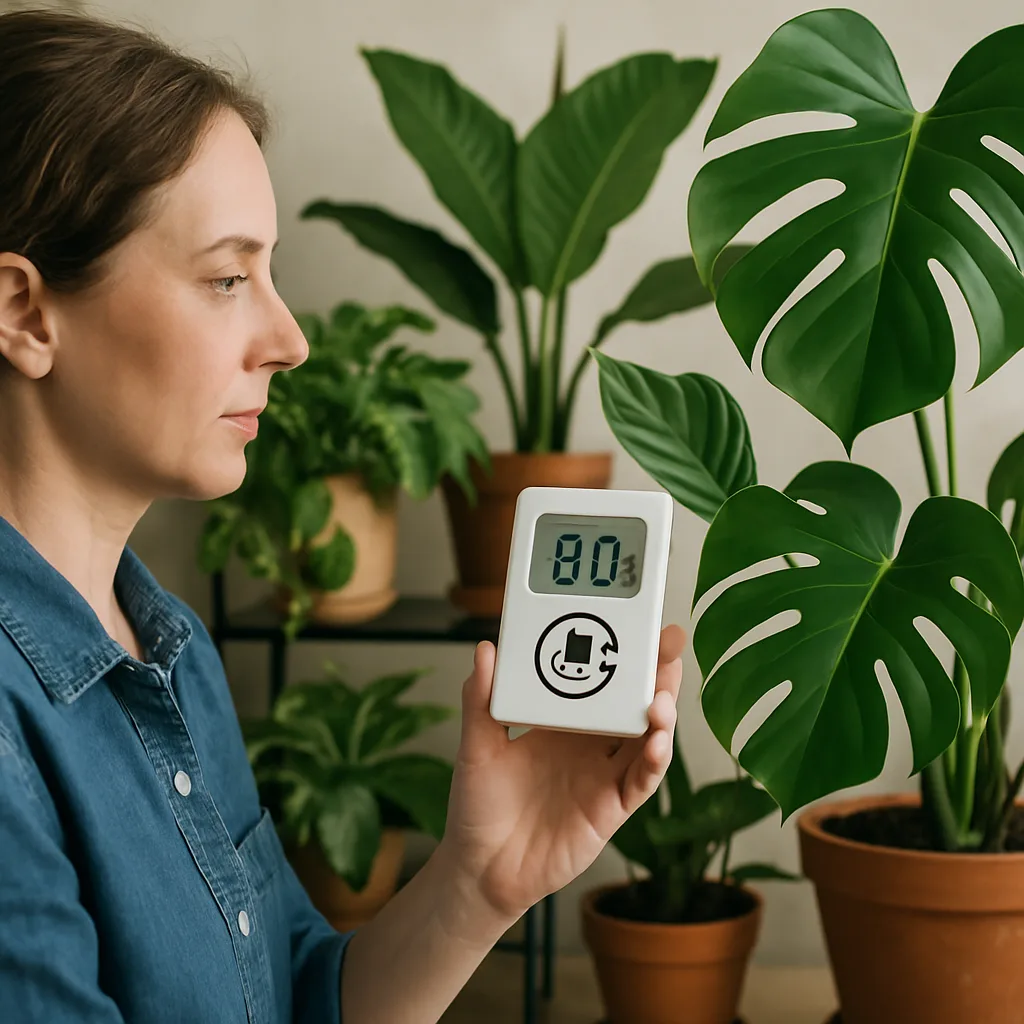
Plants are a beautiful addition to our homes, breathing life into our interiors and providing a touch of nature. However, keeping them healthy requires more than just watering them occasionally. Humidity plays a crucial role in the health and vitality of indoor plants, yet many plant enthusiasts overlook this factor. I’ve had my fair share of plant troubles, and I’ve learned that mastering humidity control can make a world of difference for your indoor greenery.
Identifying the Problem: Leaf Curling and Browning
It all started when my beloved Fiddle Leaf Fig began showing signs of distress. The leaves were curling and browning at the edges. Initially, I thought I had overwatered it or perhaps forgotten to water it altogether. After some research and hands-on investigation, I realized that the issue was related to humidity levels.
Understanding Humidity’s Role
Humidity refers to the amount of moisture in the air. For indoor plants, especially tropical varieties like the Fiddle Leaf Fig, maintaining optimal humidity levels is essential. Most indoor plants thrive in humidity levels between 40% and 60%. When levels drop, especially in winter months when heaters are on, plants can suffer.
Possible Causes of Low Humidity Symptoms
Low humidity can cause a range of symptoms, including leaf curling, browning, and even leaf drop. To identify if humidity is the issue, I looked for the following signs:
- Leaf Curling and Browning: The edges of leaves turn brown and curl inwards.
- Leaf Drop: Leaves may fall off, especially older, lower leaves.
- Stunted Growth: New leaves might be smaller and growth slower.
Distinguishing Between Humidity and Watering Issues
Initially, it was challenging to differentiate between humidity issues and improper watering. However, I discovered a few tactics:
Check Soil Moisture
Using a moisture meter, I checked if the soil was consistently over or under-watered. Soil that dries too quickly might indicate low humidity, while consistently damp soil could mean overwatering.
Inspect New and Old Leaves
If only older leaves are affected, it might suggest a watering issue. Humidity problems often affect new growth as well.
How to Increase Humidity for Indoor Plants
Once I confirmed that low humidity was the issue, I took the following steps to remedy it:
Use a Humidifier
A humidifier is one of the most effective ways to maintain consistent humidity levels. I set mine to run during the day, keeping the room at around 50% humidity.
Group Plants Together
Grouping plants can create a microenvironment with higher humidity, as plants release moisture through transpiration.
Mist the Leaves
I started misting my plants’ leaves lightly, especially in the morning, to temporarily increase humidity levels.
Place Plants on a Pebble Tray
By placing pots on trays filled with pebbles and water, I created humidity as the water evaporated.
Monitoring Plant Recovery
Over the weeks, I noticed my Fiddle Leaf Fig’s leaves stopped curling, and new growth appeared healthier. This positive change confirmed that adjusting the humidity was the right solution.
Conclusion
Humidity might seem like a minor detail, but it significantly impacts the health of indoor plants. By ensuring the right humidity levels, you can prevent common problems such as leaf curling and browning, promoting thriving greenery in your home.
Reflecting on this experience, I realized paying attention to environmental factors is just as crucial as watering and fertilizing. Every plant owner should invest time in understanding the unique needs of their plants, including optimal humidity levels. By doing so, you can avoid unnecessary stress and enjoy a lush, vibrant indoor garden.
Gardening Writer & Plant Enthusiast
Sarah Mitchell is a passionate gardening writer dedicated to helping people bring more nature into their homes. She loves exploring indoor plants, flowers, and sustainable gardening practices, sharing simple and practical tips that make plant care easier for everyone.