
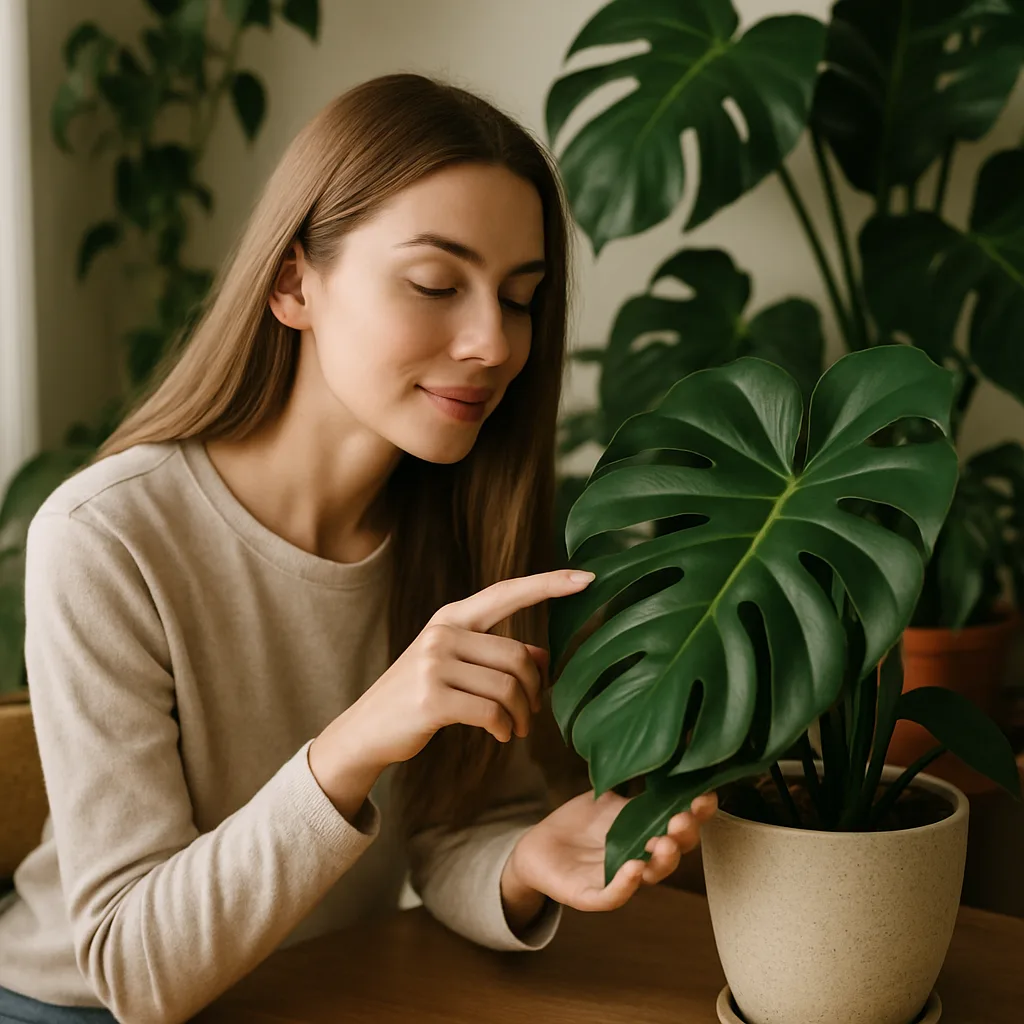
Bringing houseplants into your living space is like adopting silent companions who communicate through their own hidden language. While they don’t have vocal cords, plants express their needs and well-being through subtle signs. One of the most crucial ways they communicate is through their interaction with light. Having learned this the hard way, I discovered that even the slightest change in lighting conditions can dramatically impact their health and growth.
The Underestimated Role of Light in Plant Health
During my early days of nurturing indoor plants, I was convinced that watering was the key to healthy growth. I religiously followed a watering schedule, yet my beloved spider plant began wilting. It was puzzling until I realized that light, rather than water, was the missing puzzle piece. Plants use light for photosynthesis, a process as vital to them as breathing is to us.
Understanding Natural Light: It’s More Complex Than It Seems
Initially, I placed my spider plant on a windowsill facing east, where it received morning sunlight. As the seasons changed, I noticed its leaves beginning to droop. The light intensity varied with the time of year, something I hadn’t accounted for. I learned that each window orientation offers different light levels: south-facing windows provide the most intense light, while north-facing ones offer the least.
Seasonal Changes and Their Impact
Throughout the year, the sun’s position changes, affecting the light intensity and duration that reaches indoor plants. In winter, lower light levels can be problematic, often requiring supplemental lighting to compensate for the shorter days. I discovered that during this time, moving plants closer to south-facing windows could enhance their light intake, but only if the window wasn’t obstructed by outdoor trees or buildings.
Experimenting with Grow Lights: A Game Changer
When natural light proved insufficient, I turned to grow lights. These artificial light sources mimic the sun’s spectrum, offering a consistent alternative. At first, I placed a grow light 50 centimeters above my plants. Despite initial optimism, I noticed uneven growth patterns. My mistake? The light was too far away. Upon adjusting the distance to 30 centimeters, the plants thrived, demonstrating the importance of proper light placement.
Finding the Right Distance
Determining the perfect distance between grow lights and plants can be tricky. Too close, and you risk burning the foliage; too far, and the plant may not receive enough energy to photosynthesize effectively. After several trials, I found a distance of 20 to 30 centimeters ideal for most of my plants, although this can vary based on the specific light intensity and plant species.
Relocating Plants: A Simple Yet Impactful Adjustment
One might not expect that moving a plant just a meter away from its original spot could make a difference, but it does. I once shifted my fiddle leaf fig from a bright corner to a more shaded area, thinking it might appreciate some relief from direct sunlight. Unfortunately, it soon showed signs of stress, with its leaves turning brown around the edges. Moving it back immediately restored its health, underscoring how sensitive plants are to their light environment.
Demystifying Indirect Light: A Common Misunderstanding
There is a common misconception about what constitutes indirect light. Many assume it means placing a plant out of direct sunlight entirely. However, indirect light is actually bright light that doesn’t shine directly on the plant. This can be achieved by placing plants near windows with a sheer curtain or in a room that receives bright light reflected off walls. Misunderstanding this concept often leads to plants receiving insufficient light, causing stunted growth and pale leaves.
Conclusion
Understanding the hidden language of plants through their interaction with light is a transformative journey for any indoor gardener. My experiences taught me that light, more than water, often dictates the health of houseplants. By observing and adjusting lighting conditions according to season, distance, and window orientation, I witnessed my plants flourish, offering a vibrant testimony to the power of light.
For anyone passionate about nurturing indoor greenery, embracing the nuances of plant lighting can dramatically enhance your gardening success. Remember, each plant species may have unique light preferences, so observing and experimenting with light placement and intensity will help you decipher the specific needs of your green companions.

Gardening Writer & Plant Enthusiast
Sarah Mitchell is a passionate gardening writer dedicated to helping people bring more nature into their homes. She loves exploring indoor plants, flowers, and sustainable gardening practices, sharing simple and practical tips that make plant care easier for everyone.