
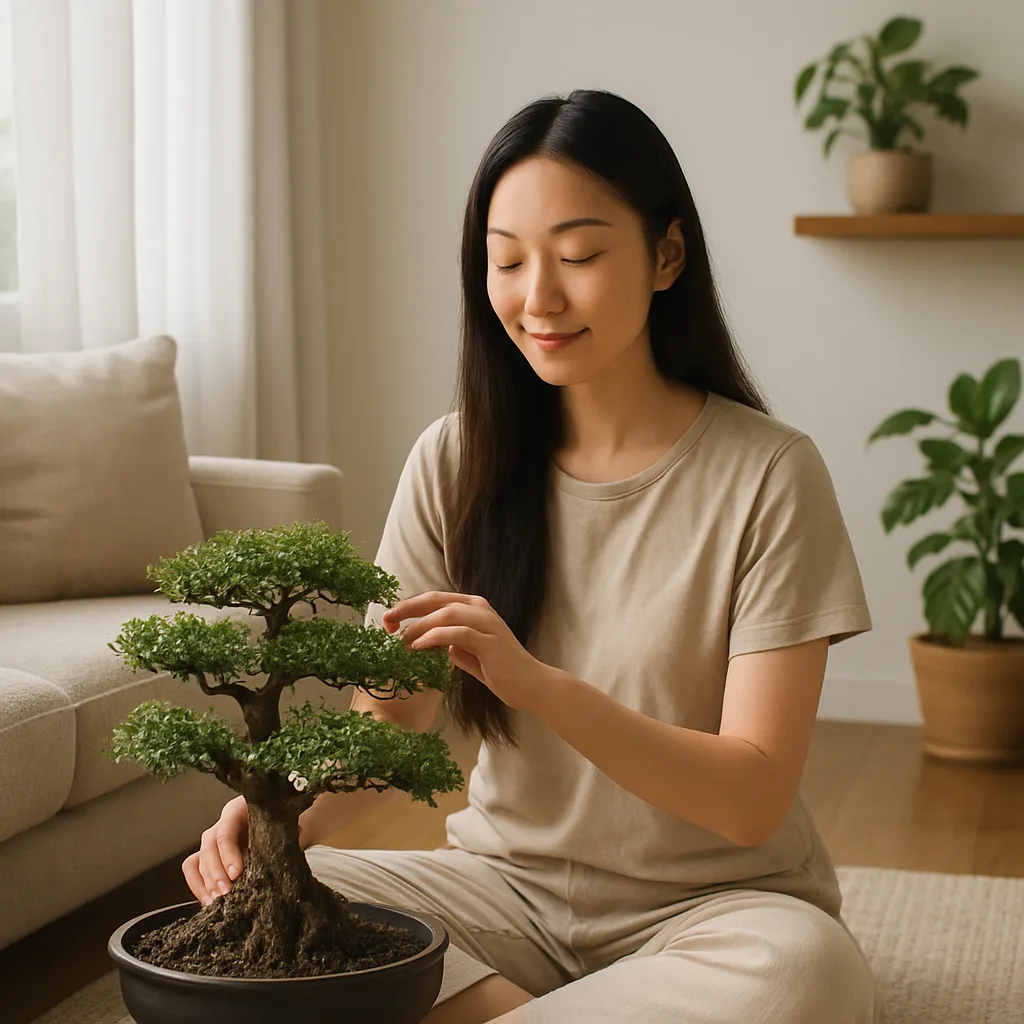
Indoor bonsai gardening is not only a captivating hobby but also a therapeutic way to bring tranquility into your home. However, maintaining these miniature trees comes with its own set of challenges. One common issue many indoor bonsai enthusiasts face is dealing with drooping or wilting leaves, which can often signal a deeper problem. Let’s dive into how to diagnose and solve this issue so you can unleash your inner zen and transform your home with these living art pieces.
Understanding the Problem: Drooping Leaves
Drooping leaves in a bonsai tree are a clear indication that something is amiss. When I first started bonsai gardening, I noticed my tree’s leaves drooping and appearing lifeless, which was quite concerning. This symptom can be frustrating because it often indicates several underlying issues that need to be addressed promptly.
Possible Causes of Drooping Leaves
Several factors can lead to drooping leaves in indoor bonsai trees:
- Watering Issues: Both overwatering and underwatering can cause leaves to droop. Ironically, they present similar symptoms, making it tricky to differentiate at first glance.
- Inadequate Light: Bonsai trees need ample light to thrive. If they’re not getting enough, they may start drooping as a sign of stress.
- Temperature Fluctuations: Sudden changes in temperature or exposure to drafts can shock the tree, leading to drooping leaves.
- Pest Infestations: Insects like aphids or spider mites can sap the tree’s vitality, causing the leaves to wilt.
Investigation: Differentiating the Causes
To determine the root cause of drooping leaves, a methodical approach is needed:
Watering Check
I often start by checking the soil moisture with my finger. If the soil feels soggy, overwatering might be the issue. Conversely, if it’s dry a few inches down, the tree is likely thirsty.
Lighting Assessment
Observe the spot where your bonsai is placed. Is it receiving enough natural sunlight? I once moved my bonsai closer to a window, and within days, it showed signs of improvement.
Temperature and Drafts
Reflect on any recent changes in your home’s temperature. Moving your tree away from vents or drafty windows might help stabilize its environment.
Inspect for Pests
Examine the leaves and stems closely. If you notice small insects or webbing, it’s time to treat the bonsai with an appropriate insecticide or natural remedy.
Solutions to Revive Your Bonsai
Once you’ve identified the likely cause, implementing the right solution is crucial:
Adjusting Watering Practices
If overwatering is the issue, allow the soil to dry out before watering again, and ensure your pot has adequate drainage. For underwatering, gradually increase the frequency of watering until the tree shows signs of recovery.
Enhancing Light Exposure
Move the bonsai to a brighter location, or consider using grow lights if natural light is insufficient. I found that positioning my bonsai under a grow light for a few hours each day made a noticeable difference.
Stabilizing Temperature
Ensure the bonsai is in a stable environment, avoiding sudden temperature shifts. Relocating it to a more temperate area of your home can mitigate stress.
Dealing with Pests
For pests, using a neem oil spray can be effective. It’s a natural solution that tackles the problem without harming the plant.
Conclusion
Dealing with drooping leaves on a bonsai tree can be a disheartening experience. However, with careful observation and a targeted approach, you can address the issue and restore your bonsai’s health and beauty. Remember, each bonsai is unique and may require different care according to its specific needs.
Ultimately, indoor bonsai gardening can be a rewarding pursuit that adds peace and beauty to your living space. By understanding and solving common problems like drooping leaves, you not only enhance your tree’s vitality but also cultivate a deeper connection with your bonsai. Embrace the challenge, learn from your experiences, and watch your miniature masterpiece flourish.
Gardening Writer & Plant Enthusiast
Sarah Mitchell is a passionate gardening writer dedicated to helping people bring more nature into their homes. She loves exploring indoor plants, flowers, and sustainable gardening practices, sharing simple and practical tips that make plant care easier for everyone.