
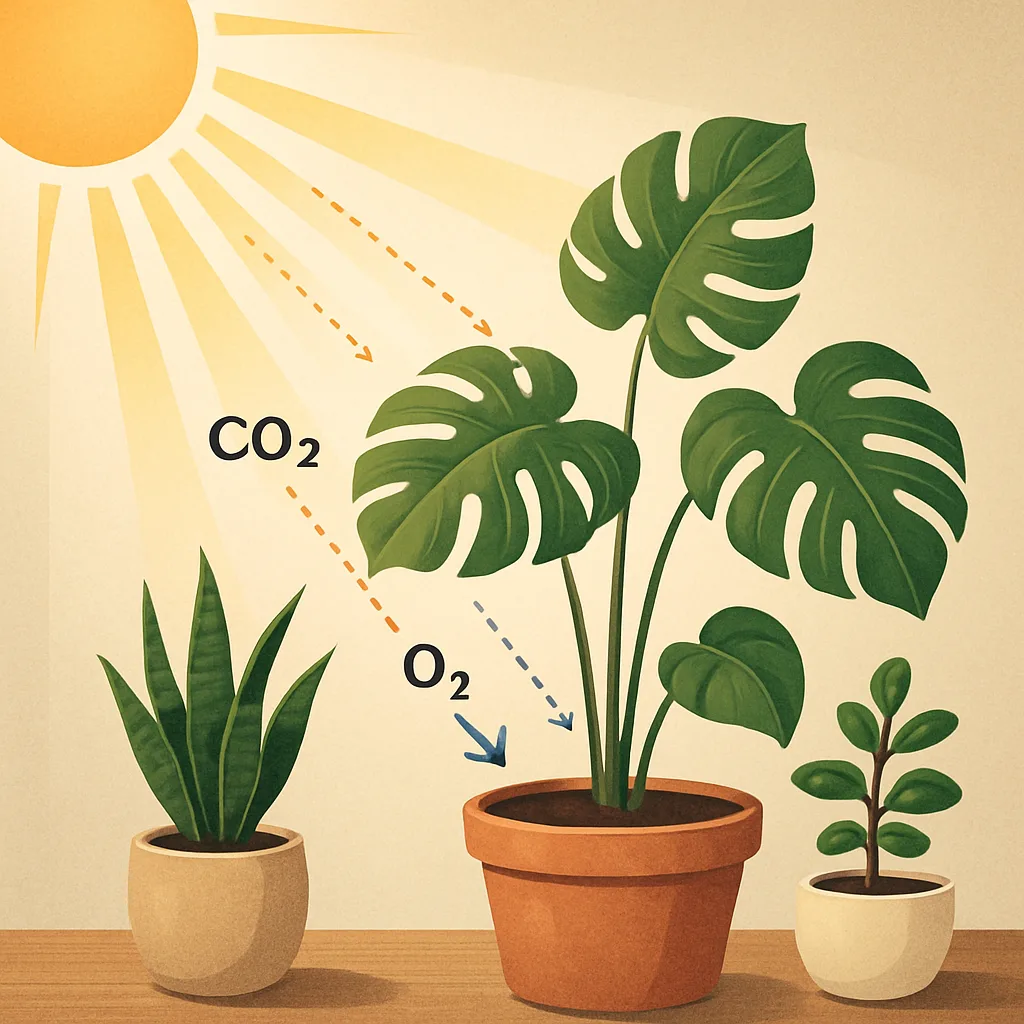
As an indoor plant enthusiast, I’ve always been fascinated by the magic of photosynthesis and its critical role in plant propagation. Understanding how light impacts the growth of indoor plants not only deepens our appreciation but also equips us with the knowledge to boost propagation success. In this article, we will delve into the relationship between light and photosynthesis, and how harnessing this hidden power can lead to flourishing indoor plants through stem cutting propagation.
The Role of Light in Photosynthesis
Photosynthesis is the process by which plants use light to convert carbon dioxide and water into glucose and oxygen. This process is vital for plant growth and survival, making light a key component in indoor plant propagation strategies. When propagating plants through stem cuttings, ensuring adequate light exposure is crucial for developing healthy roots and new growth.
Why Choose Stem Cutting Propagation?
Stem cutting is a popular propagation method due to its simplicity and effectiveness, especially for plants like pothos, philodendron, and tradescantia. By cutting a section of the plant’s stem, you can encourage it to develop new roots and eventually grow into a new plant. This method allows for precise control over the plant’s environment, including light exposure, which is essential for successful propagation.
How to Propagate Using Stem Cuttings
Step 1: Selecting the Right Cutting
Begin by choosing a healthy stem with at least one node, which is the point where leaves and roots grow. Ideally, the cutting should be 4-6 inches long. Use a sharp, sterilized knife or scissors to make a clean cut just below a node.
Step 2: Preparing the Cutting
Remove any leaves from the bottom half of the cutting to prevent them from rotting in water or soil. If the plant is known for sap leakage, allow the cutting to dry for a few hours before planting.
Step 3: Planting the Cutting
Place the cutting in a container filled with water or directly into a well-draining potting mix. Ensure the node is submerged in water or covered with soil to encourage root formation. In my experience, using transparent containers for water propagation helps monitor root development without disturbing the plant.
Light Requirements for Successful Propagation
Young cuttings require bright, indirect light to thrive. Direct sunlight can scorch the sensitive cuttings, while insufficient light can lead to poor root development and stunted growth. I found that placing the cuttings near a north or east-facing window provided the ideal light conditions.
Common Mistakes and How to Avoid Them
One common mistake I made early on was placing cuttings in an overly dark location, which slowed root growth significantly. Additionally, not changing the water regularly in water propagation can lead to bacterial growth, harming the cuttings. Remember to change the water every week and ensure the potting mix remains slightly moist but not soggy.
Signs of Successful Propagation
Typically, healthy roots start forming within 2-4 weeks, depending on the plant species and environmental conditions. Look for new leaf growth as a positive sign that the cutting is developing well. If you notice wilting or yellowing, reassess the light, water, and humidity levels.
Conclusion
Harnessing the hidden power of light in the photosynthesis process is a game-changer for indoor plant propagation. By understanding and optimizing light conditions, you can increase the chances of success when propagating plants through stem cuttings.
Reflecting on my own propagation journey, embracing the right balance of light and care has been key to cultivating flourishing indoor plants. While mistakes are part of the learning process, each successful propagation brings a rewarding sense of achievement and a deeper connection to the natural world within our homes.

Gardening Writer & Plant Enthusiast
Sarah Mitchell is a passionate gardening writer dedicated to helping people bring more nature into their homes. She loves exploring indoor plants, flowers, and sustainable gardening practices, sharing simple and practical tips that make plant care easier for everyone.