
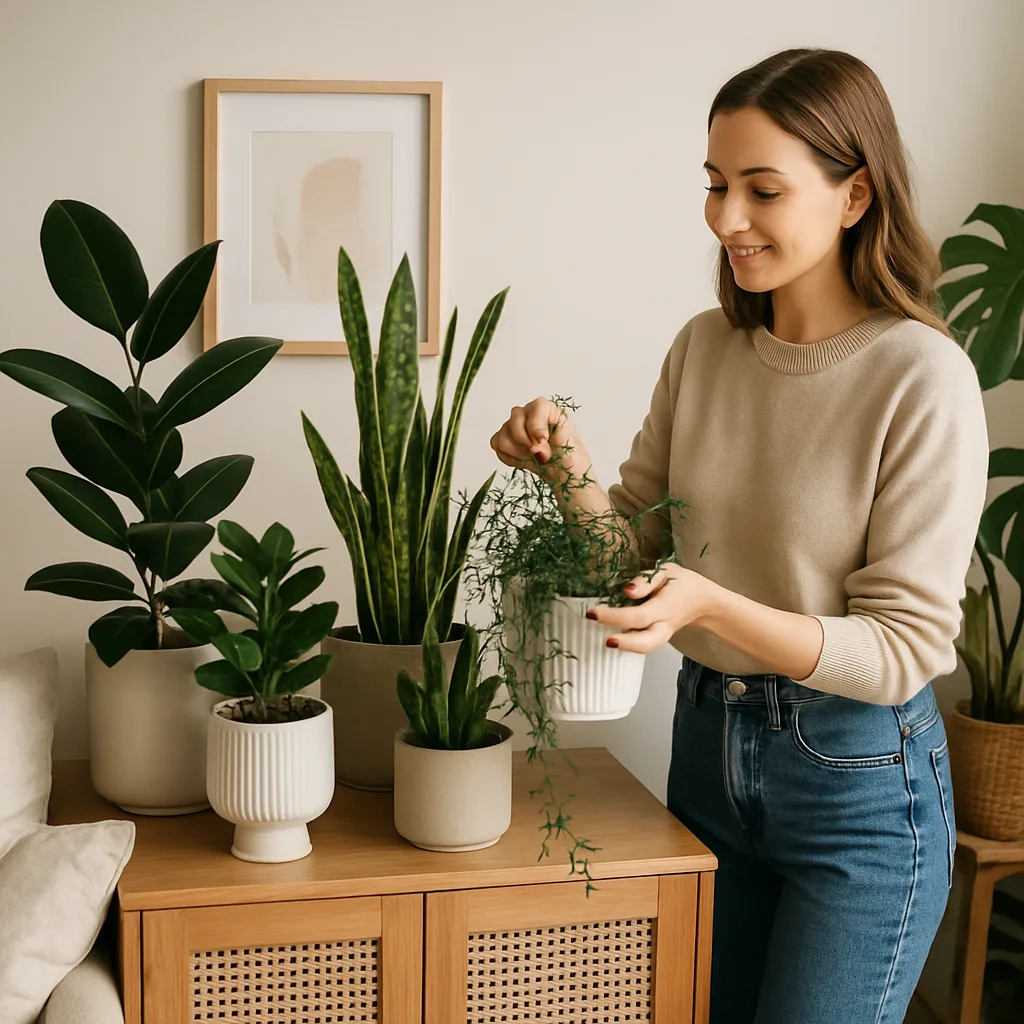
Indoor plant arrangements can transform the aesthetics of your home, adding a touch of nature and elegance. Whether you’re a busy professional or a novice plant enthusiast, creating stunning plant arrangements doesn’t have to be complicated. In this article, we’ll explore expert tips to elevate your home’s style with low-maintenance and beginner-friendly plants.
Choosing the Right Plants for Your Space
When selecting plants for your home, consider factors like light availability, space constraints, and maintenance commitment. Not every plant thrives in the same conditions, so matching the right plant to the right spot is crucial for a successful arrangement.
Understanding Light Requirements
Light is one of the most critical factors for plant health. Some plants love basking in bright, direct sunlight, while others prefer the gentle glow of indirect light.
For instance, the Snake Plant is a versatile choice that tolerates low light, making it perfect for rooms with limited natural light. On the other hand, succulents like the Haworthia need plenty of sunlight to thrive, so they’re better suited for windowsills.
Space Considerations
If you’re working with limited space, opt for plants that grow vertically rather than horizontally. The ZZ Plant is an excellent option as it grows upwards, saving precious floor space. Alternatively, consider hanging plants like the Pothos, which can add greenery without taking up surface area.
Creating Balance in Plant Arrangements
A harmonious plant arrangement balances different shapes, sizes, and textures. Pairing plants with diverse foliage can create visual interest and depth, making your arrangement a focal point in the room.
Combining Different Textures
Mixing plants with varied textures can enhance the overall aesthetic. For example, pair the lush, leafy Peace Lily with the sleek, architectural lines of the Snake Plant. This combination not only looks sophisticated but also brings a dynamic visual contrast to your arrangement.
Playing with Heights and Sizes
Varying the height of your plants can create an eye-catching arrangement. Use taller plants like the Rubber Plant as a backdrop, and place shorter varieties like the Spider Plant in the foreground. This layered effect draws the eye upwards and adds dimension to your space.
Maintenance Tips for Busy Lifestyles
One of the biggest challenges for plant owners is keeping up with maintenance. Fortunately, some plants are incredibly forgiving and require minimal care, making them ideal for those with hectic schedules.
Watering Practices
Overwatering is a common mistake among beginners. It’s often better to err on the side of underwatering, especially with drought-tolerant plants like the Snake Plant and ZZ Plant. These plants can go weeks without water and still thrive.
Easy Care Plants for Beginners
If you’re new to plant care, start with resilient options like the Spider Plant. Not only are they easy to care for, but they also propagate readily, allowing you to expand your collection with minimal effort. The Peace Lily is another beginner-friendly plant, known for its air-purifying qualities and ability to signal when it needs water by drooping slightly.
Common Mistakes and How to Avoid Them
Even seasoned plant owners can make mistakes. Here are some errors to watch out for and how to avoid them:
Ignoring Plant Labels
Always pay attention to the care instructions that come with your plants. Ignoring these guidelines can lead to improper care and an unhappy plant. If a plant needs indirect light, placing it in direct sunlight can scorch its leaves.
Neglecting Regular Check-Ups
Regularly inspecting your plants helps you catch issues early. Look for signs of pests or disease and address them promptly. Checking the soil moisture before watering can also prevent overwatering.
Conclusion
Creating stunning indoor plant arrangements is a rewarding endeavor that can instantly elevate your home’s style. By carefully selecting low-maintenance and beginner-friendly plants, you can enjoy a thriving indoor garden without the stress of intensive care routines.
Remember, the key to successful plant care lies in understanding each plant’s unique needs and matching them to your home’s conditions. With the right plants and a bit of creativity, you can transform any space into a lush, inviting oasis that reflects your personal style and enhances your living environment.
Gardening Writer & Plant Enthusiast
Sarah Mitchell is a passionate gardening writer dedicated to helping people bring more nature into their homes. She loves exploring indoor plants, flowers, and sustainable gardening practices, sharing simple and practical tips that make plant care easier for everyone.