
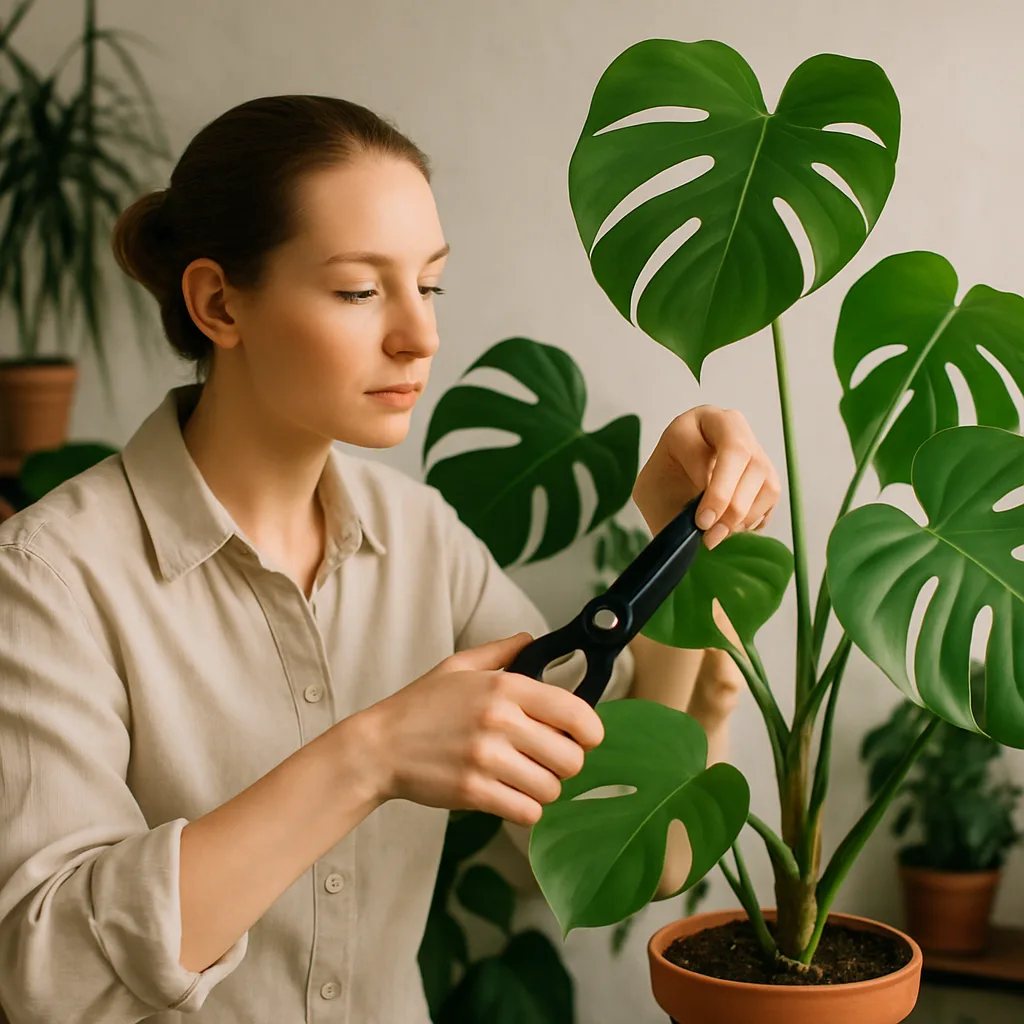
Indoor plants can transform your living space into a lush haven, but shaping them properly is crucial to maintaining their visual appeal and health. Many beginners may feel intimidated by the idea of pruning, worrying they might harm their beloved greenery. However, with a few must-know secrets, you can prune your plants like a pro and give them the shape and vitality they deserve. In this article, I’ll share some essential pruning techniques and tips that can help even the busiest plant owners enhance their indoor jungles.
Understanding the Basics of Pruning
Before diving into the specifics, it’s important to understand what pruning entails. Pruning involves the selective removal of certain parts of a plant, such as branches, buds, or roots. The primary reasons for pruning include encouraging growth, removing dead or diseased parts, and shaping the plant to your desired form. For indoor plants, pruning is not just about aesthetics; it’s a practice that contributes to their overall health.
Why Pruning is Essential for Low-Maintenance Plants
Even low-maintenance plants benefit significantly from regular pruning. While these plants can survive with minimal care, pruning can stimulate new growth and prevent potential issues like overcrowding. For example, succulents, which are popular for their low water requirements, can become leggy if not pruned. By trimming them back, you encourage a fuller, more compact growth habit and help them thrive in small spaces.
Pruning Techniques: Basic and Advanced
There are several techniques to consider when pruning indoor plants, each suited to different types of plants and desired outcomes. Let’s explore some of the most common methods:
Pinching Back
Pinching back is ideal for plants like basil or mint, where you want to promote bushier growth. This technique involves using your fingers to remove the tips of new growth. It’s a simple method that requires no tools and can be done regularly to maintain a plant’s shape.
Thinning Out
Thinning out involves removing entire branches or stems from the base to reduce density. This technique is particularly useful for ferns and spider plants, where excessive foliage can limit airflow and lead to mold. By thinning, you ensure better light penetration and air circulation, fostering a healthier plant environment.
Heading Cuts
Heading cuts are used to control the height and spread of a plant. By cutting back to a leaf node, this method encourages side branching and fuller growth. Rubber plants and fiddle leaf figs respond well to heading cuts, as they tend to grow tall with sparse foliage if not regularly trimmed.
Common Mistakes and How to Avoid Them
Even with the best intentions, mistakes can happen. I’ve learned a few lessons the hard way, especially when I accidentally over-pruned my pothos. Here are some common pitfalls to watch out for:
Over-Pruning
It’s easy to get carried away and remove too much foliage at once, which can stress the plant. A good rule of thumb is to never remove more than 25% of the plant’s foliage at any one time. This allows the plant to recover more easily and continue growing.
Ignoring the Tools
Using the right tools is crucial. Blunt scissors or shears can damage the plant, leading to jagged cuts and potential infections. Invest in a pair of sharp, clean pruning shears to make precise cuts that heal quickly.
Conclusion
Pruning indoor plants doesn’t have to be a daunting task. With a basic understanding of techniques and some practice, you can easily integrate pruning into your plant care routine. Remember to tailor your approach to each plant’s specific needs, ensuring they remain healthy and visually appealing.
By incorporating regular pruning, you’ll not only maintain the beauty of your indoor garden but also encourage robust growth and healthy plants. Don’t be afraid to make a few cuts and experiment—you’ll learn and grow along with your plants. And most importantly, enjoy the process as you transform your living space into a green oasis.
Gardening Writer & Plant Enthusiast
Sarah Mitchell is a passionate gardening writer dedicated to helping people bring more nature into their homes. She loves exploring indoor plants, flowers, and sustainable gardening practices, sharing simple and practical tips that make plant care easier for everyone.