
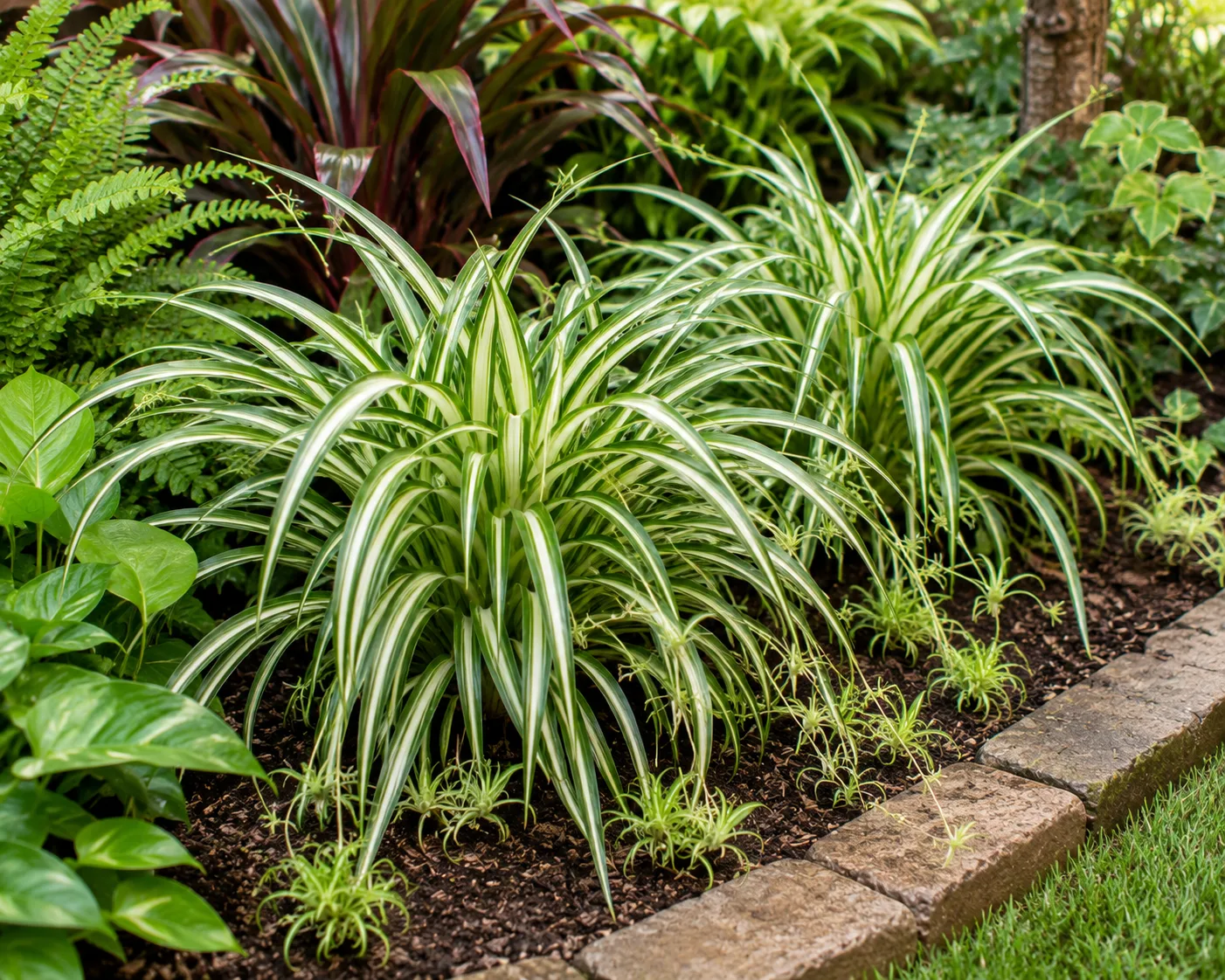
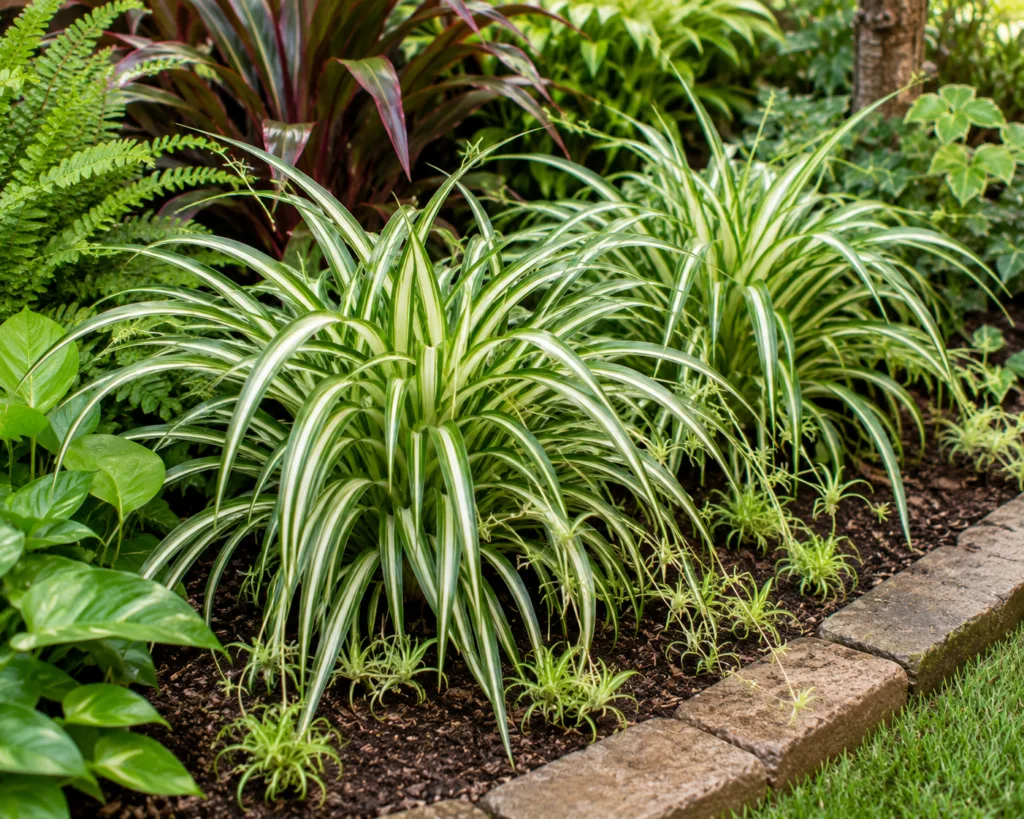
My spider plant has produced enough plantlets over the past two years that I’ve genuinely lost count of how many new plants I’ve grown from it — somewhere north of fifteen at this point, most given away to friends who probably didn’t ask for another houseplant but seem happy to have one anyway. This is the easiest propagation I’ve done with any plant I own, and here’s exactly how I’ve approached it.
Understanding What You’re Actually Working With
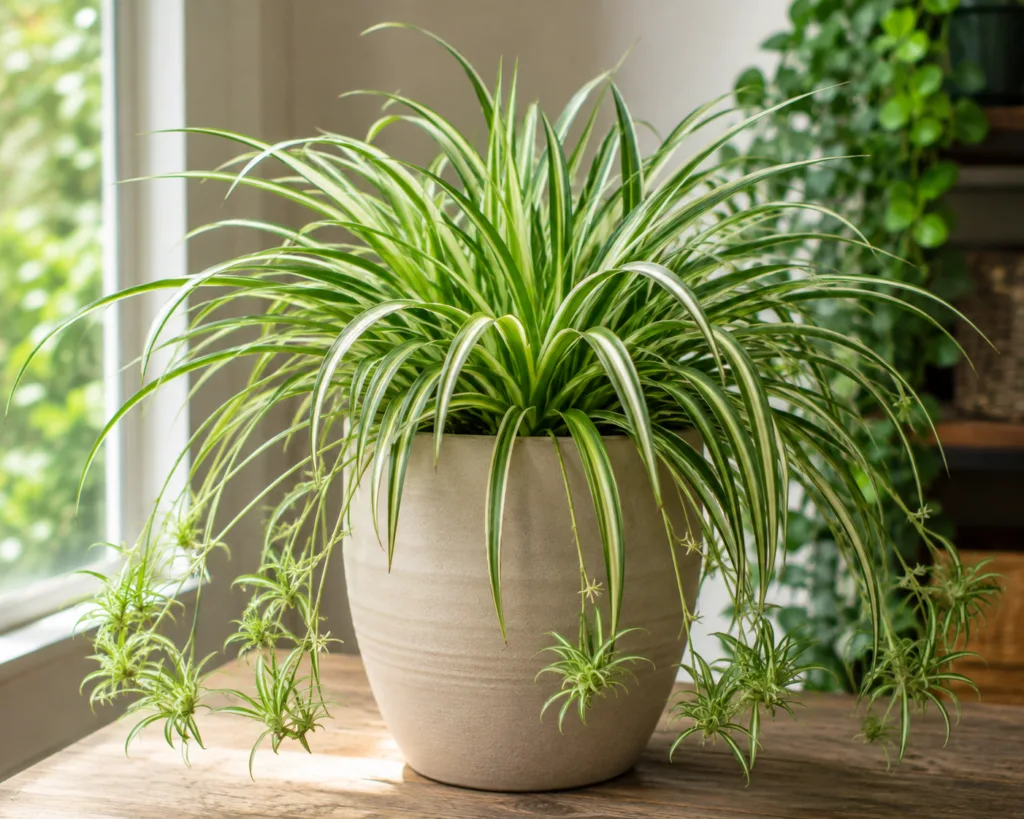
Spider plants send out long stems from the mother plant, each ending in a small plantlet, often called a spiderette, that’s essentially a miniature version of the parent already forming. Unlike propagating from a leaf or stem cutting, these plantlets frequently start developing small root nubs while still attached to the mother plant, which is part of why this method has such a high success rate compared to propagation methods that start from scratch.
Method One: Rooting in Water While Still Attached
My first successful attempts involved placing a small jar of water underneath a plantlet, still connected to the mother plant by its stem, and letting the plantlet’s base sit in the water. This let the plantlet keep drawing some support from the parent while also developing roots in the water, and I found this produced faster, more robust root systems than cutting the plantlet free first. Roots typically appeared within about two weeks this way, faster than any other method I’ve tried.
Method Two: Cutting the Plantlet Free First
Once I had more plantlets than I had patience for the water-jar method, I started simply snipping plantlets free with clean scissors, choosing ones that already had small root nubs visible at the base, and placing them directly in water or moist soil. This method took slightly longer to establish, typically 3-4 weeks before I felt confident the roots were substantial, but it let me process several plantlets at once rather than tying up jars under the mother plant indefinitely.
Which Plantlets to Choose
I’ve learned to be selective rather than propagating every plantlet the moment it appears. The ones that have rooted fastest and most reliably for me already show small brown or white root nubs at their base before I even remove them — a sign the plantlet has already started the rooting process on its own. Plantlets without any visible root nubs yet have worked too, just more slowly and with a slightly lower overall success rate in my experience.
Soil vs. Water for the Final Root Development
Both have worked, but I’ve settled into a hybrid approach: root in water until I see roots reach about an inch long, then transfer to a well-draining potting mix. Plantlets I’ve left in water much longer than that have shown some difficulty adjusting once finally potted, similar to what I’ve noticed with other plants moved from water to soil after too long a delay.
The One Mistake That Cost Me a Few Plantlets
Early on, I tried potting several very young plantlets, with barely any root development at all, directly into soil, thinking I was saving time. Most of them shriveled within a couple of weeks rather than establishing. Waiting until a plantlet has at least some visible root growth, whether in water or already on the mother plant, has made a dramatic difference in my success rate since.
Caring for Newly Potted Plantlets
Once potted, I treat new spider plant babies gently for the first month — consistent but not excessive moisture, bright indirect light, no fertilizer until I see clear new growth. After that initial period, they’ve handled the same slightly inconsistent care as my mature spider plants without any issue, which tracks with how forgiving this species has been across the board in my experience.
Frequently Asked Questions
Do I need to cut the plantlet off the mother plant before it roots? No — in my experience, letting a plantlet root in water while still attached to the mother plant actually produced faster, sturdier roots than cutting it free first.
How long does spider plant propagation take? Plantlets already showing root nubs have rooted within about two weeks for me. Plantlets without visible roots yet have taken closer to a month.
Can I plant spider plant seeds instead of using plantlets? Technically yes, but I’ve never tried it myself — every plant in my collection has come from plantlets, which are dramatically faster and more reliable than seed propagation from what I’ve read.

Gardening Writer & Plant Enthusiast
Sarah Mitchell is a passionate gardening writer dedicated to helping people bring more nature into their homes. She loves exploring indoor plants, flowers, and sustainable gardening practices, sharing simple and practical tips that make plant care easier for everyone.