
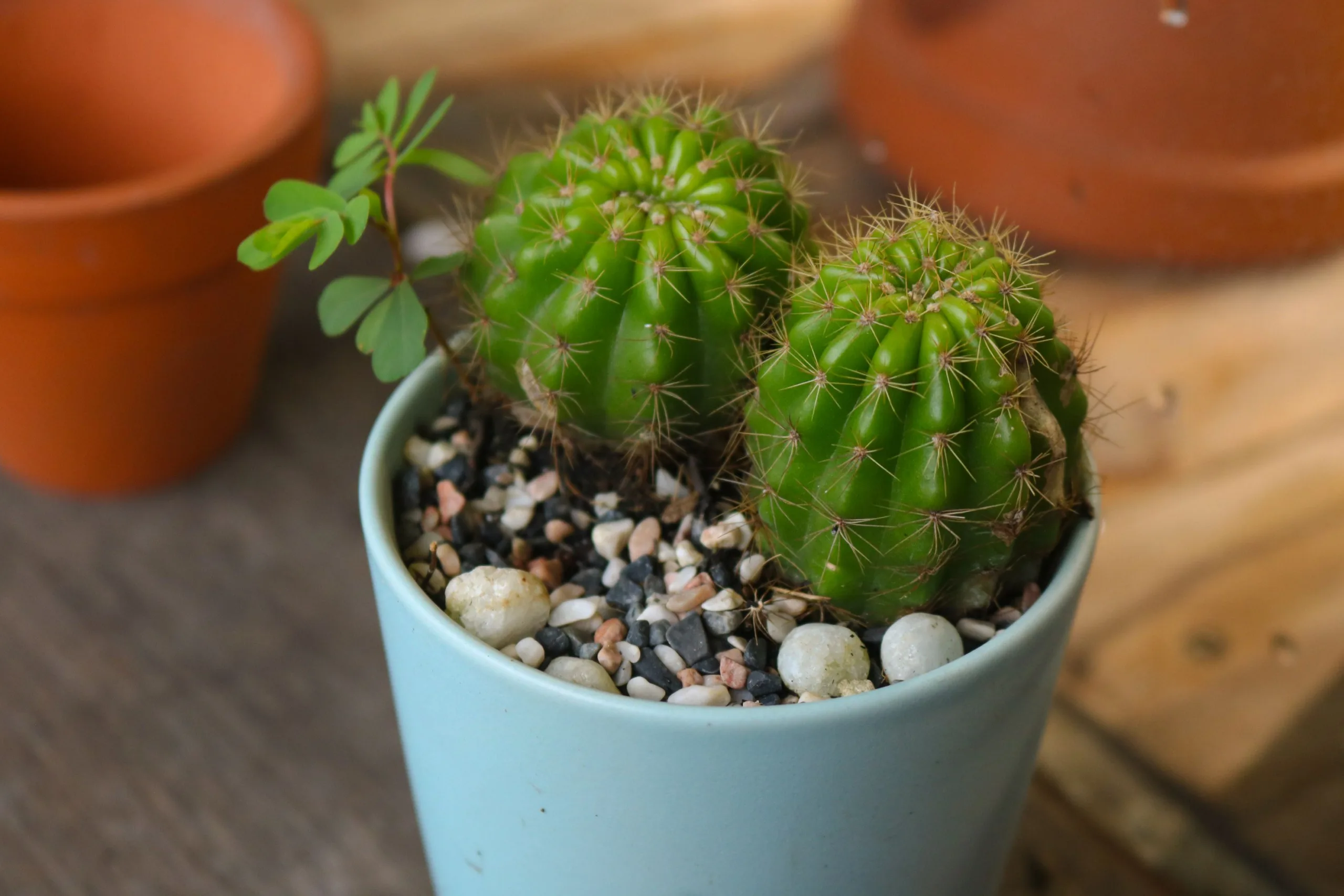
“Bright light” is the advice given for nearly every succulent, but it wasn’t until I bought a cheap light meter that I realized how differently that phrase applies to different spots in my own home. I moved my Echeveria and Kalanchoe collection around over several months, taking light readings at each new spot, and comparing those numbers to how the plants actually performed taught me more about succulent care placement than any general guideline ever did.
Why I Started Measuring in the First Place
My Echeveria kept losing its tight, compact rosette shape and stretching toward one side no matter how many times I moved it to a spot I assumed was “bright.” I finally bought a basic lux meter app-adjacent device to actually check, rather than trusting my own sense of which rooms felt sunny. The results were more revealing than I expected.
What I Actually Measured
My “bright” south-facing windowsill, direct sun midday: readings spiked to over 30,000 lux at peak, dropping to around 8,000-10,000 lux during morning and late afternoon hours.
A spot about three feet back from that same window: readings dropped dramatically, to roughly 2,000-3,000 lux even at midday — a huge falloff from just a few feet of distance.
An east-facing windowsill, morning sun: peaked around 15,000-18,000 lux during the couple of hours of direct morning light, then fell to under 1,000 lux for the rest of the day.
A shelf in my living room I’d always assumed was “bright indirect”: consistently read between 500-1,000 lux throughout the day — genuinely far dimmer than I’d assumed based on how the room looked to my eye.
What This Meant for My Echeveria
Echeveria, based on what I’ve read and now confirmed through my own results, generally wants somewhere in the range of several thousand lux minimum to maintain tight, compact growth, ideally with some direct sun. My “bright indirect” living room shelf, at 500-1,000 lux, was nowhere close to sufficient, which explained the stretching and legginess I’d been fighting for months without understanding why.
Moving my Echeveria to the spot three feet back from the south window, consistently in the 2,000-3,000 lux range, was still an improvement but not a complete fix — new growth was somewhat more compact but still not as tight as I wanted. It was only once I moved it directly onto the windowsill itself, into that 8,000-30,000 lux range, that the rosette shape actually tightened up the way I’d been hoping for since I first bought the plant.
What This Meant for My Kalanchoe
My Kalanchoe responded differently. It did fine, without noticeable stretching, in the 2,000-3,000 lux spot that wasn’t quite enough for my Echeveria, which tracks with Kalanchoe generally being described as slightly more tolerant of lower light than Echeveria specifically. But blooming told a different story than general leaf health did. My Kalanchoe held its compact shape at that moderate light level but didn’t produce flowers again after its initial bloom faded, until I moved it to the brighter east-facing windowsill spot, after which it bloomed again within about two months.
This matched something else I’d read but hadn’t confirmed myself: Kalanchoe blooming is also tied to daylight length, not just intensity, so the difference might partly reflect the shorter, more defined light period at that east-facing spot rather than intensity alone. I can’t fully separate those two variables with the equipment I have, but the practical result was clear regardless of the exact mechanism.
The Spot That Surprised Me Most
The living room shelf, at only 500-1,000 lux, is genuinely fine for some of my other, lower-light plants — a pothos and a ZZ plant have done perfectly well there. But it was nowhere near adequate for either succulent, despite looking, to my eye, like a reasonably bright spot in a room with a large window. This gap between how bright a room feels and what a meter actually measures a few feet from the window has been the single biggest lesson from this whole exercise.
What I’d Recommend Instead of Trusting Your Eyes
If you have persistent stretching or legginess on a succulent despite what feels like a bright spot, I’d genuinely recommend an actual light meter reading rather than continuing to guess. They’re inexpensive, and the difference between what a room looks like to your eyes and what a succulent is actually receiving a few feet from a window can be dramatic enough to explain problems that otherwise seem mysterious.
A Rough Guide Based on My Own Readings
For anyone without a meter handy, my rough takeaway: directly on or immediately next to a south or west-facing windowsill is where I got my best results for Echeveria specifically. A few feet back from that same window was passable for Kalanchoe’s leaf health but not enough for reliable blooming. Anything that looks bright but sits more than a few feet from a direct light source, even in a well-lit room, has consistently underperformed for both of these succulents in my own testing, regardless of how bright that spot appeared to me before I actually measured it.
What I’ve Changed Going Forward
I now keep my most light-demanding succulents genuinely on windowsills rather than trusting nearby shelves that looked bright enough by eye, and I’ve stopped assuming a room’s general reputation for good light means every spot within it receives comparable levels. For succulent care specifically, given how directly light intensity seems tied to compact growth and blooming for the two types I tested, this has been worth the small investment in an actual measuring tool rather than continuing to guess.
Gardening Writer & Plant Enthusiast
Sarah Mitchell is a passionate gardening writer dedicated to helping people bring more nature into their homes. She loves exploring indoor plants, flowers, and sustainable gardening practices, sharing simple and practical tips that make plant care easier for everyone.