
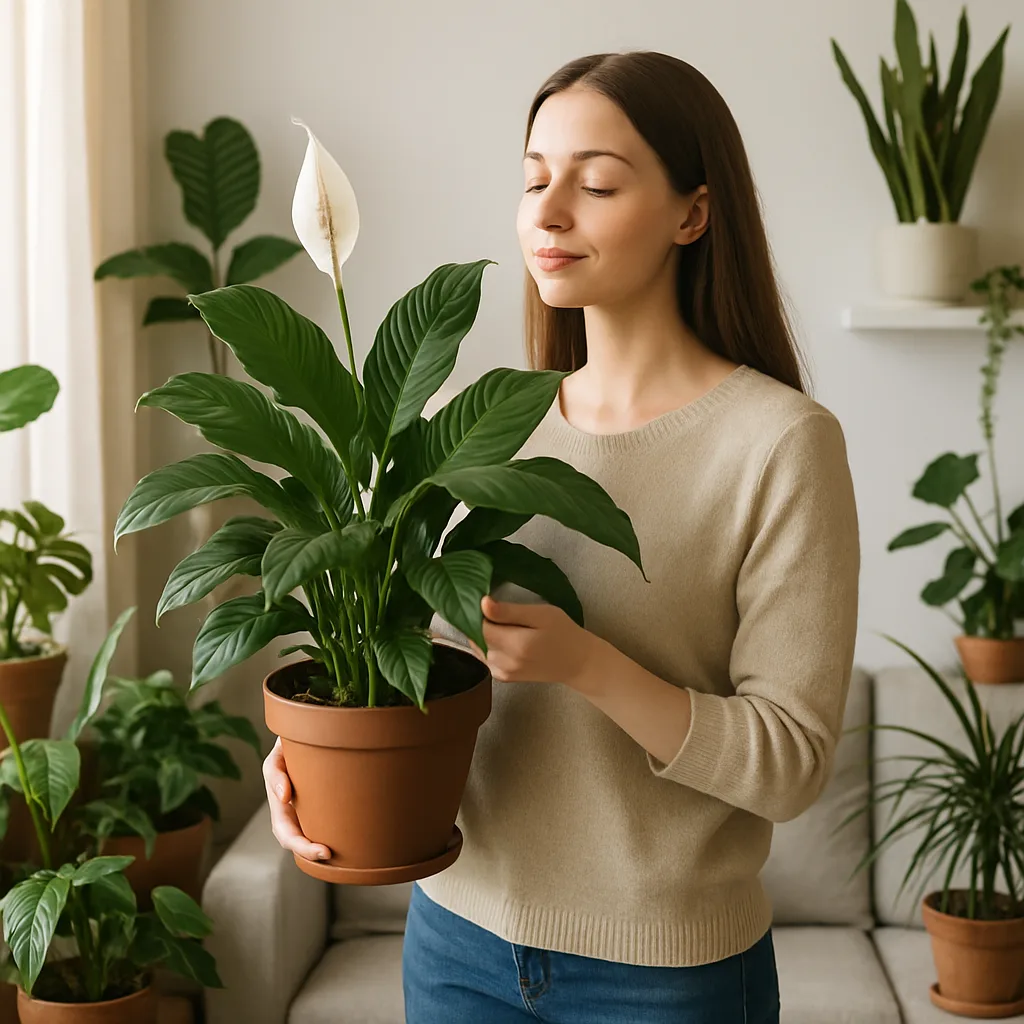
In our quest for a healthier living environment, air-purifying houseplants have emerged as unsung heroes. These green wonders not only beautify our homes but also cleanse the air we breathe. More than ever, people are keen to propagate these plants to expand their indoor gardens and enhance air quality. Today, we’ll dive into the art of propagating the famous Snake Plant (Sansevieria) using leaf cuttings, exploring the techniques, the time involved, and the lessons learned from personal experience.
Why the Snake Plant?
The Snake Plant is a popular choice for both novice and seasoned indoor gardeners. Known for its striking appearance and resilience, this plant is highly adaptable to varying light conditions. It’s not only a visual delight but is also renowned for its air-purifying capabilities. The Snake Plant effectively filters toxins, making it an excellent addition to any home.
Choosing Leaf Cuttings for Propagation
Among the several methods of propagating the Snake Plant, leaf cuttings offer a practical and efficient approach. This method involves cutting a healthy leaf into sections and rooting them to grow new plants. Based on my personal experience, leaf cuttings are manageable and yield satisfactory results, though they do require patience.
The Leaf Cutting Process
Step 1: Selecting the Right Leaf
Begin by choosing a mature, healthy leaf from your Snake Plant. Avoid leaves that are yellowing or damaged. A leaf around 6-8 inches long works best. Using a clean, sharp knife or scissors, cut the leaf into sections approximately 3-4 inches each.
Step 2: Preparing the Cuttings
It’s crucial to remember the orientation of each leaf section since planting them upside down won’t work. Allow the cut sections to dry for a day or two to form a callous over the cut edge. This step is essential to prevent rot when you plant them in the soil.
Step 3: Planting the Cuttings
Once the cut ends have calloused, plant them in a well-draining potting mix. Use a small pot, around 4-6 inches in diameter, to accommodate several cuttings. Ensure the pot has adequate drainage holes. Insert each cutting about an inch into the soil, keeping the calloused end at the bottom.
Rooting Conditions and Care
Place the pot in a location with indirect light and maintain a consistent temperature between 65-75°F. Water sparingly—just enough to keep the soil slightly moist. Overwatering is a common mistake that can lead to rot. Patience is key, as it may take several weeks, or even months, for roots to establish. Signs of successful rooting include the appearance of new growth at the base of the cuttings.
Lessons Learned and Common Pitfalls
Through my journey of propagating Snake Plants from leaf cuttings, a major lesson emerged—patience cannot be rushed. On one occasion, I was too eager and overwatered the cuttings, which unfortunately led to rot and failure. It was a valuable reminder to respect the natural process and allow time for roots to develop.
Another common pitfall is planting the cuttings upside down, which inevitably results in no growth. Always mark or remember the orientation during cutting to avoid this error.
Conclusion
Propagating the Snake Plant through leaf cuttings is an immensely rewarding endeavor, offering both the satisfaction of multiplying your plants and enhancing your indoor air quality. While the process requires patience and attention to detail, the joy of seeing new growth makes it worthwhile.
Looking back, I find that embracing the slow pace of propagation has taught me more than just gardening skills—it has instilled a deeper appreciation for nature’s rhythms and a greater sense of fulfillment. If you’re contemplating turning your home into a health oasis, start small, and remember that each successful cutting is a step towards cleaner air and a greener home.

Gardening Writer & Plant Enthusiast
Sarah Mitchell is a passionate gardening writer dedicated to helping people bring more nature into their homes. She loves exploring indoor plants, flowers, and sustainable gardening practices, sharing simple and practical tips that make plant care easier for everyone.