
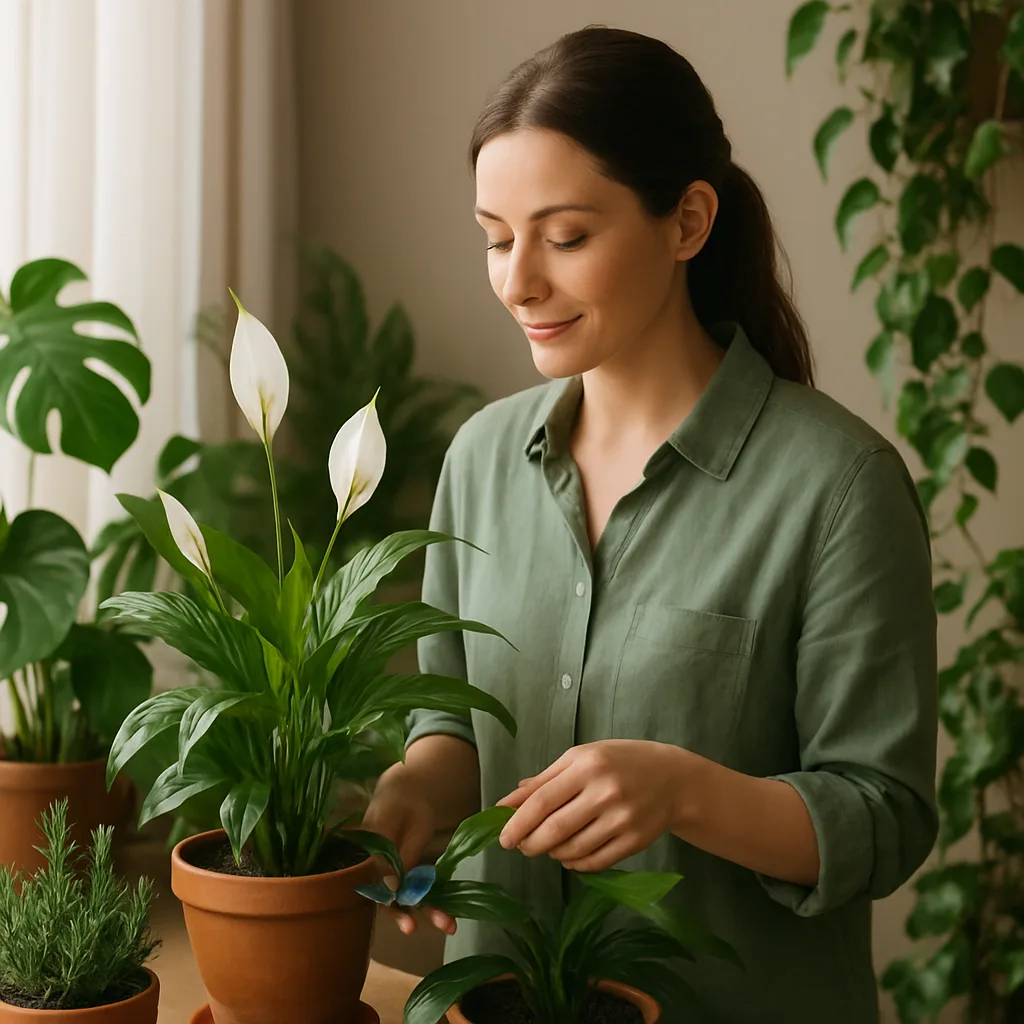
In the world of indoor gardening, mastering the art of plant propagation can transform your home into a lush oasis without breaking the bank. One of the most rewarding propagation techniques is water propagation, which allows you to multiply your favorite houseplants with minimal resources. Let me take you through the process I recently undertook with my pothos (Epipremnum aureum) and share both the successes and pitfalls I encountered along the way.
Choosing the Right Cutting
The first step in my propagation journey was selecting a healthy part of the pothos plant for water propagation. I opted for stem cuttings because they generally root well in water due to their flexibility and resilience. It’s crucial to choose a vine with at least two to three nodes, as this is where new roots will emerge. I found that cuttings about 4 to 6 inches long work best.
Preparing the Cutting
After selecting the vine, I made a clean cut just below a node using sterilized scissors to prevent infection. I meticulously removed the leaves from the bottom node to ensure they wouldn’t rot when submerged in water. This step is essential, as decaying leaves can spoil the water and hinder root development.
Setting Up the Water Propagation
For the propagation vessel, I used a clear glass jar, which not only lets you monitor root growth but also adds a decorative touch to your space. I filled the jar with room-temperature water, ensuring that only the nodes were submerged, not the leaves. Changing the water every few days is vital to prevent bacterial growth and maintain a healthy environment for the cuttings.
Light and Temperature Conditions
Pothos are not fussy about light, but for optimal results, I placed the jar in a spot with bright, indirect sunlight. Direct sunlight can cause the water to heat up and damage the plant. Maintaining a consistent room temperature between 65°F and 75°F is also crucial for encouraging root growth.
Observing the Root Development
Patience is key when it comes to rooting cuttings. Initially, I checked the cuttings daily for any signs of mold, rot, or root emergence. To my delight, small root nubs began forming around the nodes within two weeks. By the fourth week, the roots were about 2 inches long and ready for potting. However, it’s important to note that individual results may vary, and some cuttings might take longer to establish roots.
Common Mistakes and Learning Points
One error I made was initially overcrowding the jar with too many cuttings. This reduced water circulation and led to a couple of cuttings developing rot. The lesson here is to give each cutting enough space to breathe and grow. Additionally, neglecting to change the water regularly can lead to stagnation and bacterial growth, which I learned the hard way when I noticed an unpleasant smell coming from the jar.
Signs of a Successful Propagation
A successful water propagation is indicated by the presence of white, healthy roots. Once the roots are substantial, transitioning the cuttings to soil is the next step. It is best to acclimatize the rooted cuttings gradually by introducing them to a soil mix that mimics their natural environment, often a peat-based, well-draining soil.
Conclusion
My recent experiment with water propagation of pothos was a journey of discovery and growth, both for the plants and myself. Despite a few mistakes, the process was straightforward and yielded rewarding results. Watching cuttings develop into robust, independent plants was truly fulfilling.
For anyone looking to multiply their indoor plants, I recommend trying water propagation, especially if you’re just starting out. Remember to choose your cuttings wisely, maintain clean water, and be patient throughout the process. Each step is an opportunity to learn and refine your gardening skills.
In retrospect, I would be more mindful of over-crowding and ensure routine water changes. These small adjustments can make a significant difference in the success rate of your propagation efforts. Whether you’re a seasoned plant enthusiast or a novice, embracing the art of propagation allows you to expand your indoor plant collection and share the joy of greenery with others.

Gardening Writer & Plant Enthusiast
Sarah Mitchell is a passionate gardening writer dedicated to helping people bring more nature into their homes. She loves exploring indoor plants, flowers, and sustainable gardening practices, sharing simple and practical tips that make plant care easier for everyone.