
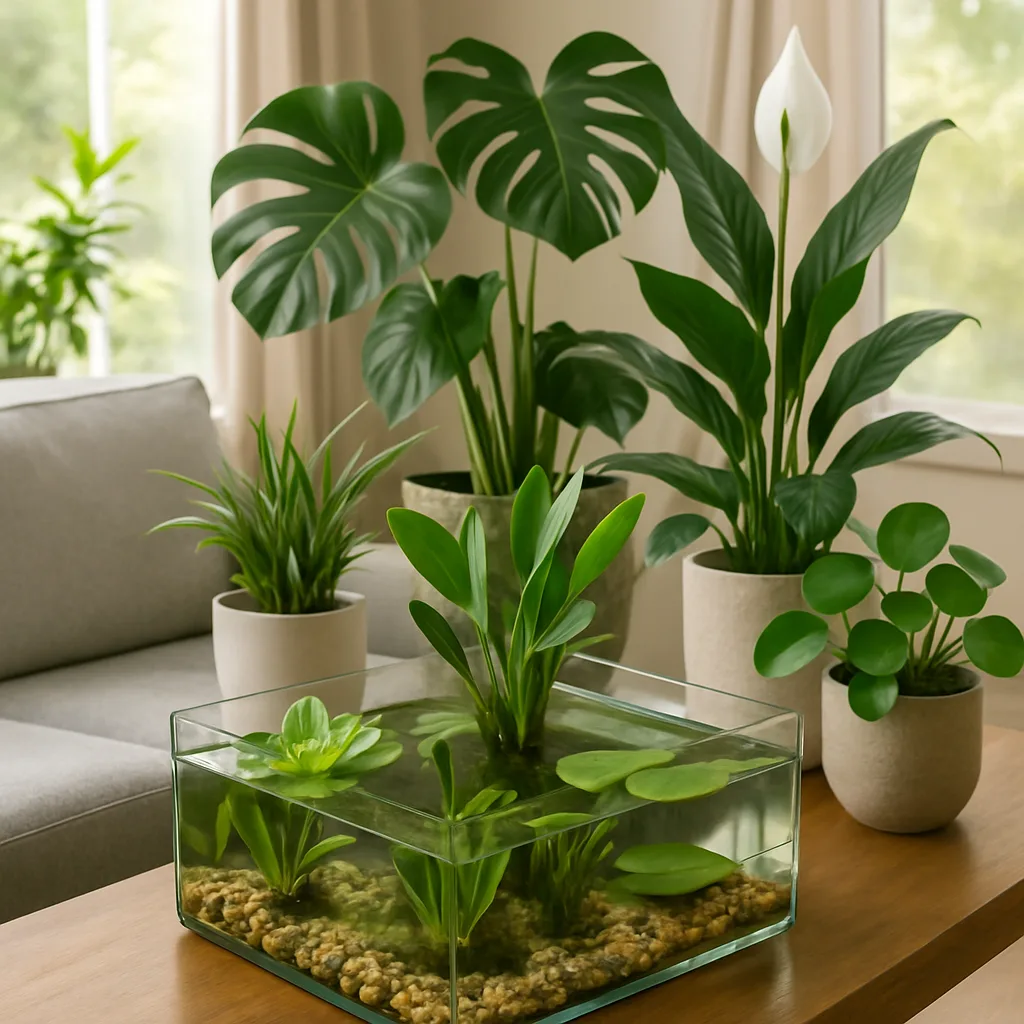
Creating a serene oasis in your home doesn’t require a complete renovation or expensive decor. Sometimes, a touch of nature is all you need to transform your space into a peaceful sanctuary. One of the most unique and fulfilling ways I’ve found to achieve this is by introducing an indoor water garden featuring aquatic houseplants. Through trial and error, I’ve mastered the art of cultivating these mesmerizing plants indoors. Let me share with you my journey and the secrets I’ve uncovered along the way.
Understanding the Charm of Aquatic Houseplants
Unlike traditional houseplants, aquatic houseplants thrive in water environments. This characteristic not only makes them fascinating but also relatively easy to care for under the right conditions. My first foray into indoor water gardening was with the charming Hygrophila polysperma, or “dwarf hygro,” known for its rapid growth and adaptability. Its ability to flourish in water makes it a perfect candidate for indoor water gardens.
Choosing the Right Container
One of my initial mistakes was using a transparent glass container that wasn’t quite the right size. The dwarf hygro quickly outgrew it, leading to overcrowding and stunted growth. I’ve since learned that selecting a spacious container, at least 30-40 cm in diameter, allows ample room for roots to spread. Opt for opaque containers to prevent algae growth, which can compete for nutrients and cloud the water.
Perfecting Light and Temperature
Lighting was another hurdle. Initially, I placed my aquatic garden in a dim corner, thinking it would mimic a tranquil pond. Unfortunately, the lack of light led to dull, weak leaves. I later moved it near a bright east-facing window, ensuring it received indirect sunlight for about 6-8 hours a day. The vibrant growth that followed was a testament to the importance of light.
Mastering Water and Nutrient Balance
Maintaining clean water is crucial, as stagnant water can lead to unpleasant odors and unhealthy plants. I change the water every two weeks and use dechlorinated water to prevent chemical buildup. Additionally, aquatic plants benefit from a liquid fertilizer designed for water plants, which I apply monthly to ensure they receive essential nutrients.
Dealing with Common Problems
Even with careful attention, issues can arise. I once noticed yellowing leaves, which I initially attributed to nutrient deficiency. However, it turned out to be a lack of magnesium. Supplementing with a small amount of Epsom salt quickly remedied the situation. Regularly inspecting your plants can help catch such issues early.
Seasonal Care Tips
As the seasons change, so do the needs of your aquatic garden. During winter, indoor heating can lower humidity levels. I counter this by misting the plants lightly every few days to maintain moisture. Additionally, reducing the frequency of water changes in winter can help the plants conserve energy.
Conclusion
Transforming your home into a serene oasis is more attainable than it seems. By incorporating aquatic houseplants into your indoor garden, you not only add a unique aesthetic but also create a calming atmosphere. Remember, the key to success lies in understanding the specific needs of your chosen plants and adapting as necessary.
Reflecting on my journey, I’ve learned that patience and observation are invaluable. Every misstep taught me something new, and every success brought immense satisfaction. If I were to start over, I would pay more attention to the initial setup and environmental conditions, which are crucial in fostering healthy growth.

Gardening Writer & Plant Enthusiast
Sarah Mitchell is a passionate gardening writer dedicated to helping people bring more nature into their homes. She loves exploring indoor plants, flowers, and sustainable gardening practices, sharing simple and practical tips that make plant care easier for everyone.