
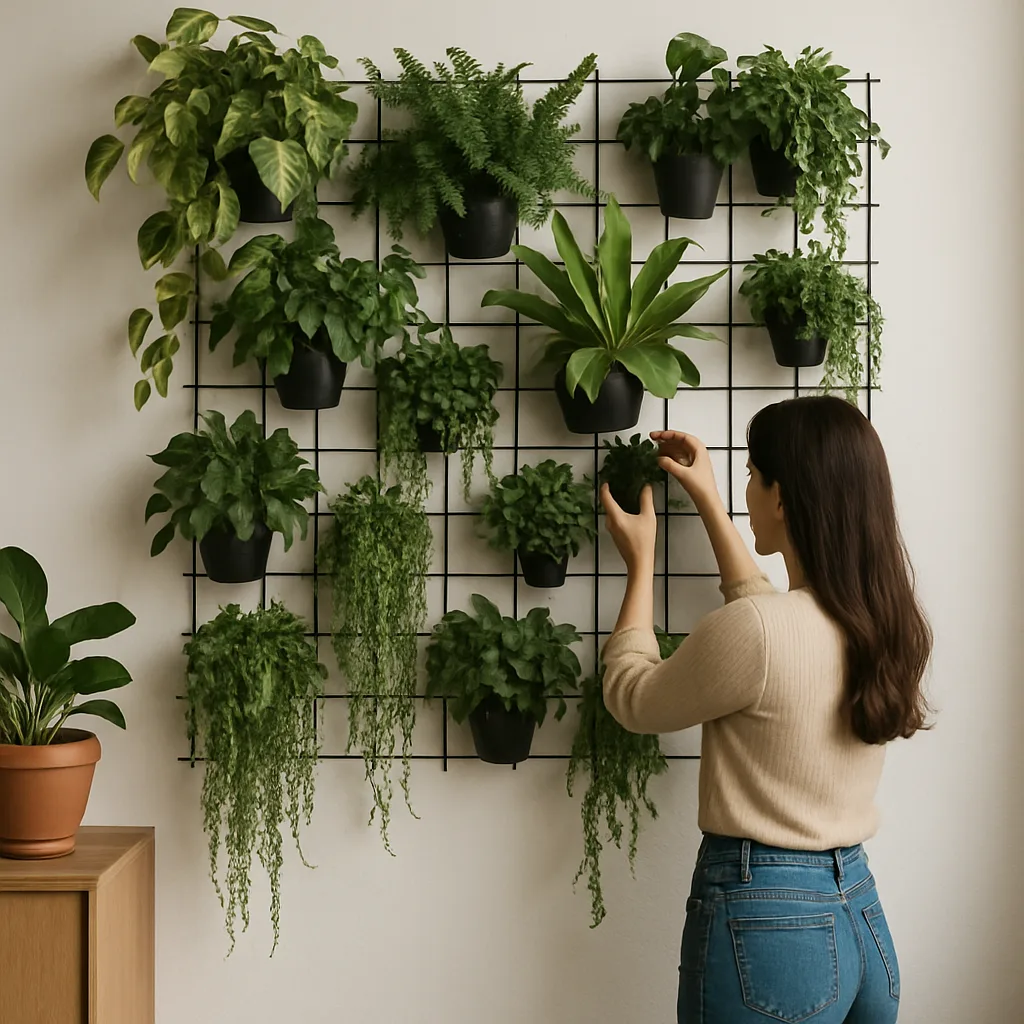
Transforming a blank wall into a vibrant vertical garden is not only a feast for the eyes but can also drastically improve the indoor environment. However, the success of your indoor vertical plant garden hinges largely on one crucial factor: lighting. In this guide, I’ll share my personal journey of turning my living room wall into a living art piece, and the intricate dance of light that made it possible.
Choosing the Right Spot for Your Vertical Garden
When I first envisioned my vertical garden, I had an empty wall in my living room that screamed potential. It was adjacent to a large south-facing window, which I initially thought was perfect. However, I quickly discovered that even within the same room, light conditions varied dramatically.
To find the best spot, I moved a light meter around different sections of the wall. Surprisingly, the area directly opposite the window received much less light than expected due to obstructions outside. Realizing this, I settled for a spot closer to the window, where the light was more consistent throughout the day.
Understanding Light Intensity and Duration
The next challenge was to gauge how much light was enough. I learned that many indoor plants thrive with about 12 to 16 hours of light daily. Initially, I relied solely on natural light, but soon noticed some plants were stretching and becoming leggy—classic signs of inadequate light.
After researching, I invested in a full-spectrum grow light. I mounted it strategically, about 30 centimeters away from the plants, ensuring they received even illumination. The difference was night and day. Plants that once appeared unhealthy began to flourish within weeks.
The Role of Seasonal Changes
Seasons bring fluctuations in natural light, which directly impacts indoor plants. During winter, the sun’s angle lowers, reducing the intensity and duration of light coming through my window. I learned this the hard way when my Pothos began to yellow and drop leaves.
To combat this, I adjusted the duration of my grow lights, extending their operation to compensate for shorter daylight hours. This simple change helped maintain plant health across seasons, ensuring a consistent display of greenery.
Indirect Light: Myth vs. Reality
One of the biggest misconceptions I faced was the idea of indirect light being negligible. In reality, indirect light can be quite sufficient for many plant species. For example, my Boston Fern thrived in a spot that received filtered sunlight for most of the day.
However, it’s crucial to understand that not all indirect light is created equal. Observing the direction and intensity of light over a typical day can help you determine if it’s adequate for your plants.
Adjusting for Specific Plant Needs
Different plants have unique light requirements. I made the mistake of placing a light-loving Succulent too far from the light source, resulting in etiolated growth. Conversely, my Peace Lily, which prefers lower light, was thriving too close to the window and showed signs of sunburn.
To address this, I rearranged the plants based on their light needs. The succulents were moved closer to the grow light, while the Peace Lily was repositioned to a shadier corner of the garden wall.
Conclusion
Creating a vertical plant garden indoors is as much about aesthetics as it is about understanding and controlling the environment. Through trial and error, I learned that light is not just about quantity but also quality and consistency. Each plant’s position, relative to both natural and artificial light sources, plays a significant role in its health and growth.
If I were to start over, I would definitely invest in a light meter from the beginning. It would have saved me the initial confusion and stress of diagnosing my plants’ needs. For anyone looking to embark on this journey, remember that a successful vertical garden doesn’t happen overnight. It’s an evolving art, demanding patience and a keen observation of your plants’ responses to their environment.
Gardening Writer & Plant Enthusiast
Sarah Mitchell is a passionate gardening writer dedicated to helping people bring more nature into their homes. She loves exploring indoor plants, flowers, and sustainable gardening practices, sharing simple and practical tips that make plant care easier for everyone.