
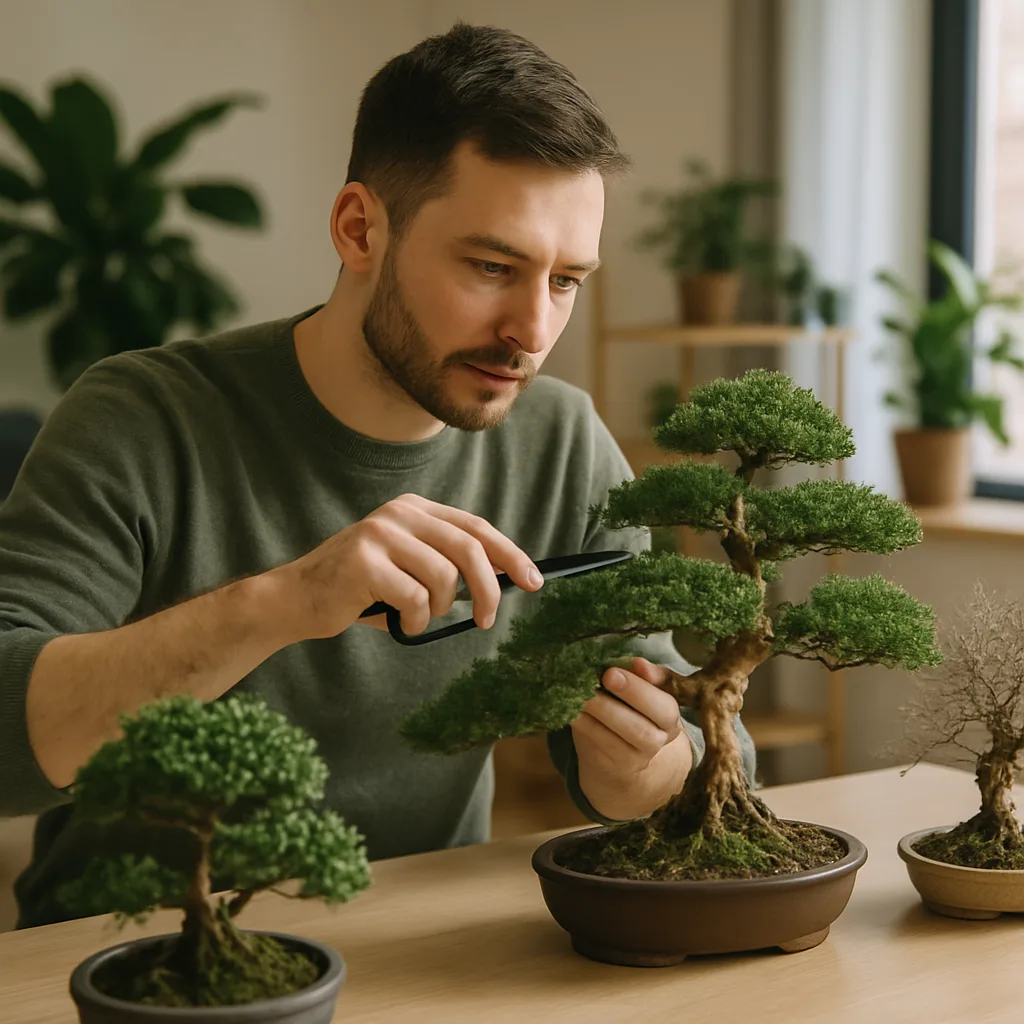
Bonsai cultivation is an art form that combines patience, precision, and creativity. These tiny tree wonders can bring a touch of nature’s grandeur into any indoor space. However, to truly unleash your inner bonsai master and craft living art that elevates your home or office, understanding the intricacies of indoor lighting is paramount. In this article, I’ll share my personal journey and insights into mastering the light conditions that are crucial for bonsai success.
The Importance of Light for Bonsai
Light is to plants what food is to humans—it’s non-negotiable. For bonsai trees, which are miniature versions of full-sized trees, the right light conditions are essential for healthy growth and maintenance. Unlike outdoor bonsai, indoor bonsai rely entirely on the available light within your home, which can present unique challenges.
Understanding Natural Light in Your Home
When I first started with bonsai, I underestimated the role of natural light. I placed a ficus bonsai near a north-facing window, thinking it would thrive. However, after a few weeks, the leaves began to droop, and the growth stalled. Realizing the light was insufficient, I moved it to a south-facing window where it received more direct sunlight. The recovery was remarkable, and the tree soon flourished.
Window Orientation and Light Intensity
One critical factor is the orientation of your windows. South-facing windows typically provide the most light, making them ideal for bonsai that prefer brighter conditions. East and west-facing windows offer moderate light levels, while north-facing windows may require supplemental lighting to ensure your bonsai receives enough energy.
The Role of Grow Lights
In homes where natural lighting is limited or during darker winter months, grow lights can be a game-changer. Initially, I was skeptical about using artificial lighting. However, after experimenting with an LED grow light positioned about 30 centimeters above my bonsai, I noticed significant improvement in foliage density and color.
Choosing the Right Grow Light
Not all grow lights are created equal. For bonsai, look for full-spectrum LED lights that mimic natural sunlight. These lights should be placed at an appropriate distance to avoid scorching the leaves. My trial and error taught me that adjusting the height of the light was crucial to avoid uneven growth.
The Impact of Seasonal Changes
Seasonal changes can significantly affect the light available to indoor bonsai. During winter, when daylight hours are shorter, bonsai may require additional light to maintain their health. For instance, using a timer to extend the light exposure to about 10-12 hours a day helped one of my bonsai trees endure the winter months without losing leaves.
Common Mistakes and How to Avoid Them
A common mistake is overestimating the amount of light a plant is receiving. I once assumed that indirect light from a nearby window was sufficient, but my juniper bonsai started losing its vibrant green color—a clear sign of light deficiency.
Distance Matters
Another lesson learned was the importance of distance from the light source. A difference of even a meter can significantly impact a bonsai’s health. Moving a plant too far from a window or light source can result in stunted growth and poor health.
Conclusion
Mastering the art of bonsai cultivation indoors requires a keen understanding of lighting conditions. Whether you rely on natural light or supplement with grow lights, observing and adjusting your setup based on your bonsai’s response is essential. Remember, each species may have unique light requirements, so tailor your approach accordingly.
By paying close attention to the light your bonsai receives, you can transform your space into a living gallery of miniature trees. So, embrace the challenge and let your inner bonsai master shine by crafting these tiny tree wonders into captivating works of living art.
Gardening Writer & Plant Enthusiast
Sarah Mitchell is a passionate gardening writer dedicated to helping people bring more nature into their homes. She loves exploring indoor plants, flowers, and sustainable gardening practices, sharing simple and practical tips that make plant care easier for everyone.