
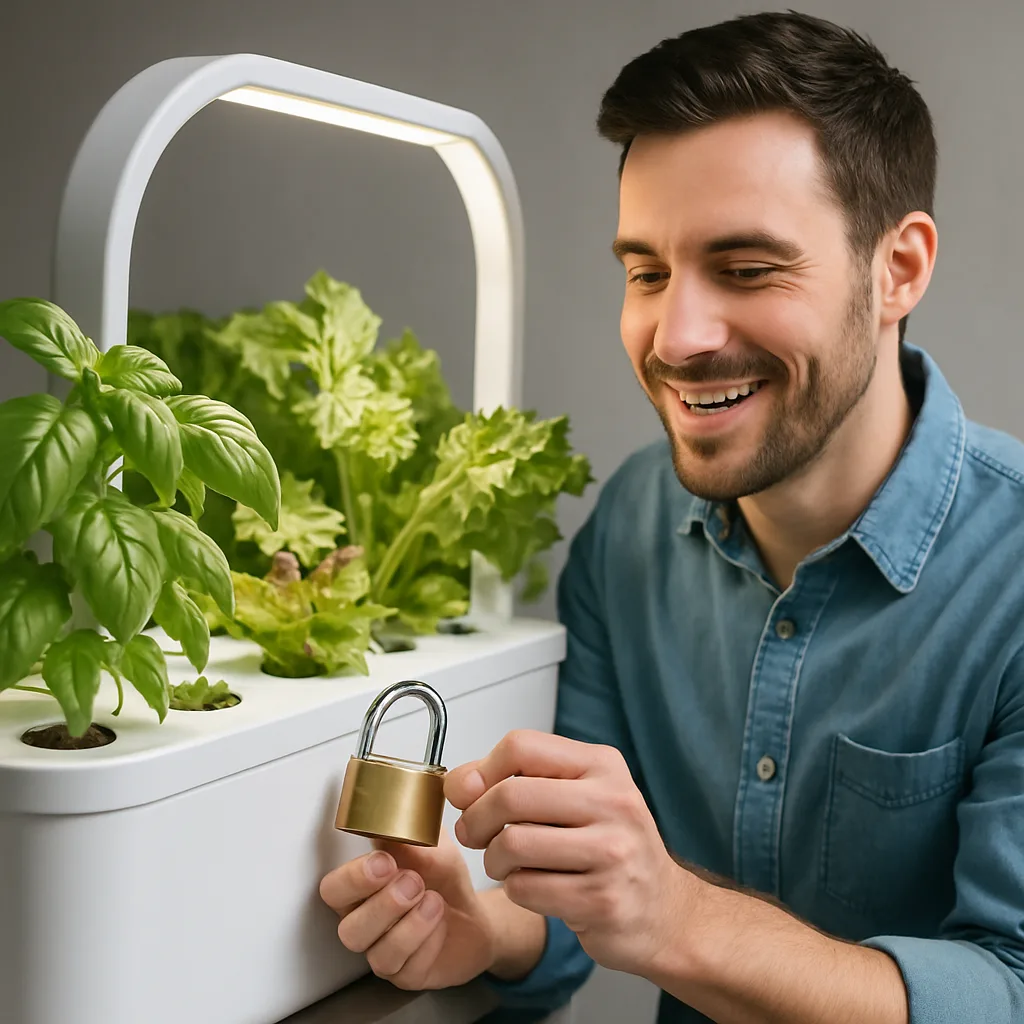
Have you ever found yourself puzzled by why your indoor plants aren’t thriving as they should, despite your best efforts? That was precisely my dilemma until I stumbled upon the world of hydroponics and the critical role that indoor lighting plays in plant health. If you’re ready to unlock the magic of hydroponics and give your indoor plants the vibrant life they deserve, delve into my journey and discoveries. Let’s illuminate the path together.
Understanding the Hydroponic Advantage
Hydroponics allows plants to grow without soil, relying on nutrient-rich water solutions instead. The absence of soil means that plants can access nutrients more efficiently, often leading to faster growth and healthier plants. However, lighting becomes a crucial factor, as plants depend on light to perform photosynthesis, even more so when they’re not anchored in soil.
Importance of Light in Hydroponics
When I first transitioned to hydroponics, I underestimated how indoor lighting conditions could impact plant growth. It was a revelation to learn that light isn’t just about brightness but involves understanding wavelengths and intensity. Proper lighting mimics natural sunlight to provide the red and blue light spectra necessary for plant processes.
The Role of Grow Lights
Investing in grow lights was a game-changer. Unlike regular household bulbs, grow lights are specifically designed to support plant growth. They emit the optimum spectrum of light and can be adjusted in terms of intensity and proximity to your plants. I found that the distance of the light from the plant should ideally be between 30 to 60 centimeters to avoid scorching while ensuring adequate light delivery.
Testing Light Distances
In my experimentation, I tested different distances of the grow light from the plants. Initially, I placed the light too close, around 20 centimeters, which caused leaf scorching. Adjusting it to 40 centimeters, I noticed a significant improvement. The leaves turned a vibrant green, and the growth was more uniform. This small change made a substantial difference in the plant’s health.
Placement and Orientation
Plant placement within your home can dramatically impact their light exposure. I once moved a thriving basil plant from the windowsill to a shelf a meter away. Within weeks, the plant became leggy and pale, indicating light deficiency. Returning it to its sunny spot revived its lushness and strong aroma.
Window Orientation
Understanding window orientation was another vital lesson. South-facing windows generally offer the best light in the Northern Hemisphere, receiving direct sunlight for more extended periods. In contrast, north-facing windows receive the least. Depending on your plant’s light needs, placement relative to these windows can make or break plant health.
Natural Light Vs. Artificial Light
While natural light is optimal, it isn’t always consistent. Seasonal changes can reduce light availability, making artificial lighting indispensable during darker months. In my experience, combining both sources offers the most balanced lighting regimen. During winter, my grow lights run for about 12-16 hours a day to supplement the reduced natural light.
Common Lighting Mistakes
One major mistake I made was assuming that indirect light meant any light not directly from the sun. In reality, indirect light can vary significantly in intensity. A spot that seems bright from scattered light might not be sufficient for high-light plants. Monitoring plant response is crucial; if growth stalls or leaves yellow, it might be time to reassess your lighting setup.
Conclusion
Embracing hydroponics and understanding the nuances of indoor lighting transformed my approach to growing indoor plants. The journey taught me that light is as crucial as water or nutrients, particularly in the soil-less environment of hydroponics. The right light can rejuvenate a struggling plant and unlock its full growth potential.
If you’re considering stepping into the world of hydroponics, pay close attention to your lighting choices. Adjustments in light intensity, duration, and placement can have dramatic effects. Remember, every plant species might have its own unique requirements, so being observant and responsive is key. With these insights, you can start today and watch your indoor plants thrive like never before.
Gardening Writer & Plant Enthusiast
Sarah Mitchell is a passionate gardening writer dedicated to helping people bring more nature into their homes. She loves exploring indoor plants, flowers, and sustainable gardening practices, sharing simple and practical tips that make plant care easier for everyone.