
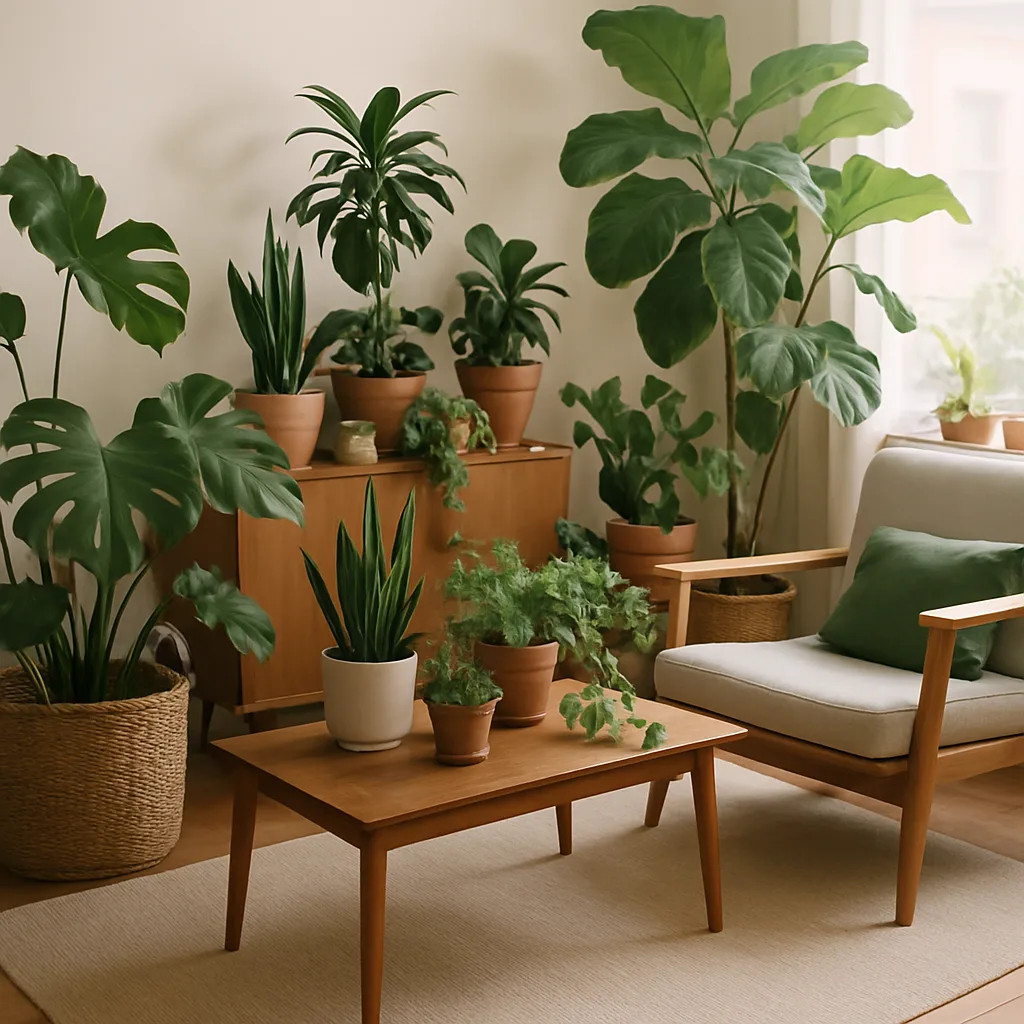
Creating a sustainable plant paradise indoors is a dream for many plant enthusiasts. Among the myriad of green companions available, the Fiddle Leaf Fig (Ficus lyrata) stands out for its bold, glossy leaves and architectural presence. However, caring for this majestic plant can be a challenge, especially within the confines of a home or office. Let me walk you through my journey with the Fiddle Leaf Fig and the lessons learned along the way.
The Light Dilemma: Finding the Perfect Spot
When I first brought my Fiddle Leaf Fig home, I placed it in a dimly lit corner, thinking it would add some life to the space. Within weeks, I noticed the lower leaves turning brown and dropping off. It turns out, these plants crave bright, indirect light to thrive. After moving it closer to a north-facing window, I observed a significant improvement in its health. This adjustment is crucial as the Fiddle Leaf Fig needs at least 6 to 8 hours of bright light daily. Be mindful, however, as direct sunlight can scorch its beautiful leaves.
Watering Wisdom: Avoiding a Common Pitfall
One of the most common mistakes with the Fiddle Leaf Fig is overwatering. Initially, I was guilty of this, eager to keep my plant hydrated. The result? Root rot, which nearly claimed the life of my plant. Now, I allow the top inch of soil to dry out completely before watering, usually every 10 to 14 days. Remember, the frequency might vary depending on your home’s humidity and temperature, but checking the soil moisture is a foolproof method.
The Right Soil Mix: A Crucial Component
Initially, I planted my Fiddle Leaf Fig in regular potting soil, not realizing that it requires excellent drainage to prevent waterlogging. After consulting with a local nursery, I repotted it using a mix of potting soil, perlite, and orchid bark. This combination has worked wonders, allowing for sufficient airflow and drainage. It’s a small change that can make a big difference in your plant’s health.
Humidity and Temperature: Creating Optimal Conditions
Fiddle Leaf Figs are native to tropical climates, which means they thrive in a warm and humid environment. I discovered the hard way that my plant wasn’t fond of the dry air from indoor heating systems. Adding a humidity tray and occasionally misting the leaves helped maintain a comfortable humidity level of around 50-60%. Plus, keeping the room temperature between 65°F and 75°F seemed to be ideal.
Fertilization: Nourishing Your Fiddle Leaf Fig
In my experience, a balanced liquid fertilizer applied every month during the growing season (spring and summer) keeps the Fiddle Leaf Fig flourishing. Avoid over-fertilizing, as it can lead to leaf burn. During fall and winter, I cut back fertilization, allowing the plant to rest.
Pruning and Maintenance: Keeping It in Shape
Pruning can be intimidating, but it’s essential for keeping the Fiddle Leaf Fig in shape and promoting new growth. I prune mine in the spring, focusing on removing any dead or damaged leaves. Occasionally, I also trim to maintain its size, especially if it starts to outgrow its space.
Common Problems and Solutions
Despite my best efforts, my Fiddle Leaf Fig still encountered some issues, like leaf browning and pest attacks. Browning leaves often indicated either a lack of humidity or overexposure to direct sunlight. A gentle adjustment in care usually resolved these problems. As for pests like spider mites, a simple treatment with insecticidal soap did the trick.
Conclusion
The Fiddle Leaf Fig is undoubtedly a statement plant that can transform any indoor space into a green haven. While it requires specific care and attention, the rewards of nurturing such a beautiful plant are unparalleled. Through trial and error, I’ve learned to read the subtle signals my plant gives me and adjust its care accordingly.
Reflecting on my journey, if I could start over, I would pay closer attention to the initial placement in terms of light and humidity, as these factors dramatically influenced my plant’s health. For anyone looking to embark on this green adventure, I highly recommend starting with these considerations to create a thriving indoor environment for your Fiddle Leaf Fig.

Gardening Writer & Plant Enthusiast
Sarah Mitchell is a passionate gardening writer dedicated to helping people bring more nature into their homes. She loves exploring indoor plants, flowers, and sustainable gardening practices, sharing simple and practical tips that make plant care easier for everyone.