
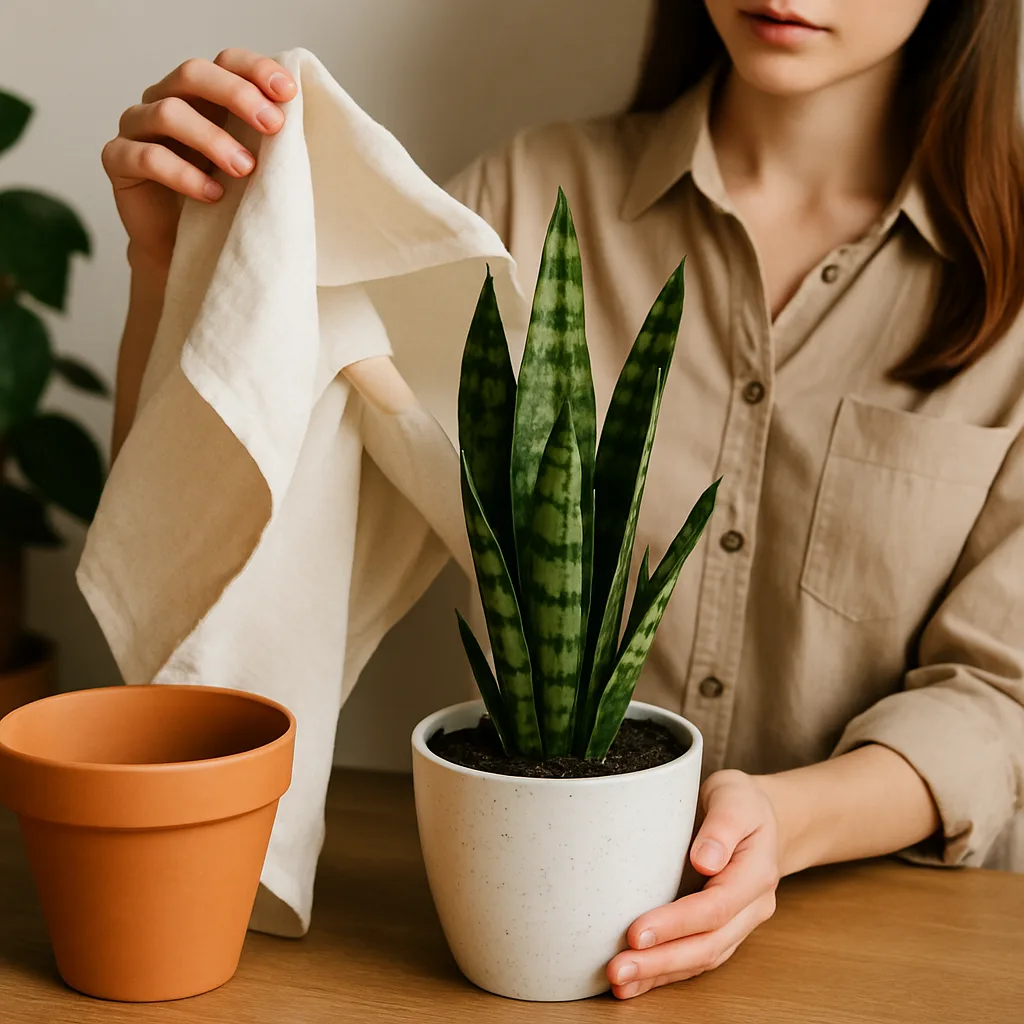
Houseplants have become an integral part of our living spaces, providing not only aesthetic pleasure but also improving air quality and psychological well-being. Among the vast array of indoor plant species, the Fiddle Leaf Fig has captured the hearts of many plant lovers. However, caring for this plant can be tricky, especially when it comes to choosing the right pot. Based on my personal experience, the pot you select can significantly impact the health and beauty of your Fiddle Leaf Fig.
Understanding the Fiddle Leaf Fig
The Ficus lyrata, commonly known as the Fiddle Leaf Fig, is native to the tropical rainforests of West Africa. It is known for its large, glossy leaves that can transform any room into a lush, green oasis. Despite its popularity, many plant enthusiasts find it challenging to keep this plant thriving indoors due to its specific care requirements.
The Role of the Pot
One of the most common mistakes I initially made was assuming that any decorative pot would suffice for my beloved Fiddle Leaf Fig. However, after noticing signs of distress such as yellowing leaves and stunted growth, I realized that the pot choice was crucial. The right pot helps in maintaining proper root health, which is essential for the overall well-being of the plant.
Size Matters
The first aspect to consider is the size of the pot. The pot should be approximately 2 to 4 inches larger in diameter than the root ball. This allows enough space for root expansion but not so much that the soil retains excess water, leading to root rot. My initial error was placing the plant in a pot that was too large, which resulted in poor drainage and waterlogged roots.
Material Makes a Difference
The material of the pot can also influence the plant’s health. I found that terracotta pots worked best for my Fiddle Leaf Fig. They are porous and allow excess moisture to evaporate, preventing water retention and reducing the risk of rot. Although ceramic pots can be more aesthetically pleasing, they often lack adequate drainage unless you ensure they have sufficient drainage holes.
Drainage is Key
Another lesson learned was the necessity of proper drainage. Initially, I neglected this aspect, not realizing that a single drainage hole might not be sufficient for my plant’s needs. I recommend selecting pots with multiple drainage holes and even considering the addition of a layer of pebbles at the bottom to further enhance drainage. This simple change made a remarkable difference in the health of my Fiddle Leaf Fig.
Repotting: When and How
Understanding when and how to repot is vital for the thriving of a Fiddle Leaf Fig. I discovered that these plants typically need repotting every one to two years. Signs that your plant may need a new home include roots growing out of the drainage holes or soil that dries out excessively quickly. When repotting, gently loosen the root ball and remove any dead roots before placing the plant in its new pot.
Environmental Considerations
In addition to pot selection, it’s crucial to consider the environmental conditions where your Fiddle Leaf Fig resides. These plants prefer bright, filtered light and can suffer if placed in direct sunlight or in spots lacking sufficient light. Additionally, they thrive in environments with high humidity—something to keep in mind when selecting both pot and placement.
Conclusion
Choosing the right pot for your Fiddle Leaf Fig is a decision that should not be taken lightly. As I learned through trial and error, the right pot isn’t merely about aesthetics; it’s pivotal for ensuring the plant’s health and vitality. By focusing on the right size, material, and drainage, along with regular repotting, you can significantly enhance the life and beauty of your Fiddle Leaf Fig.
Reflecting on my journey, if I were to start over, I would pay more attention to the pot selection right from the beginning. It’s a seemingly small detail that has a profound impact on the plant’s overall health. So next time you admire your lush, vibrant Fiddle Leaf Fig, remember that the secret might just lie in what’s beneath the soil.
Gardening Writer & Plant Enthusiast
Sarah Mitchell is a passionate gardening writer dedicated to helping people bring more nature into their homes. She loves exploring indoor plants, flowers, and sustainable gardening practices, sharing simple and practical tips that make plant care easier for everyone.