
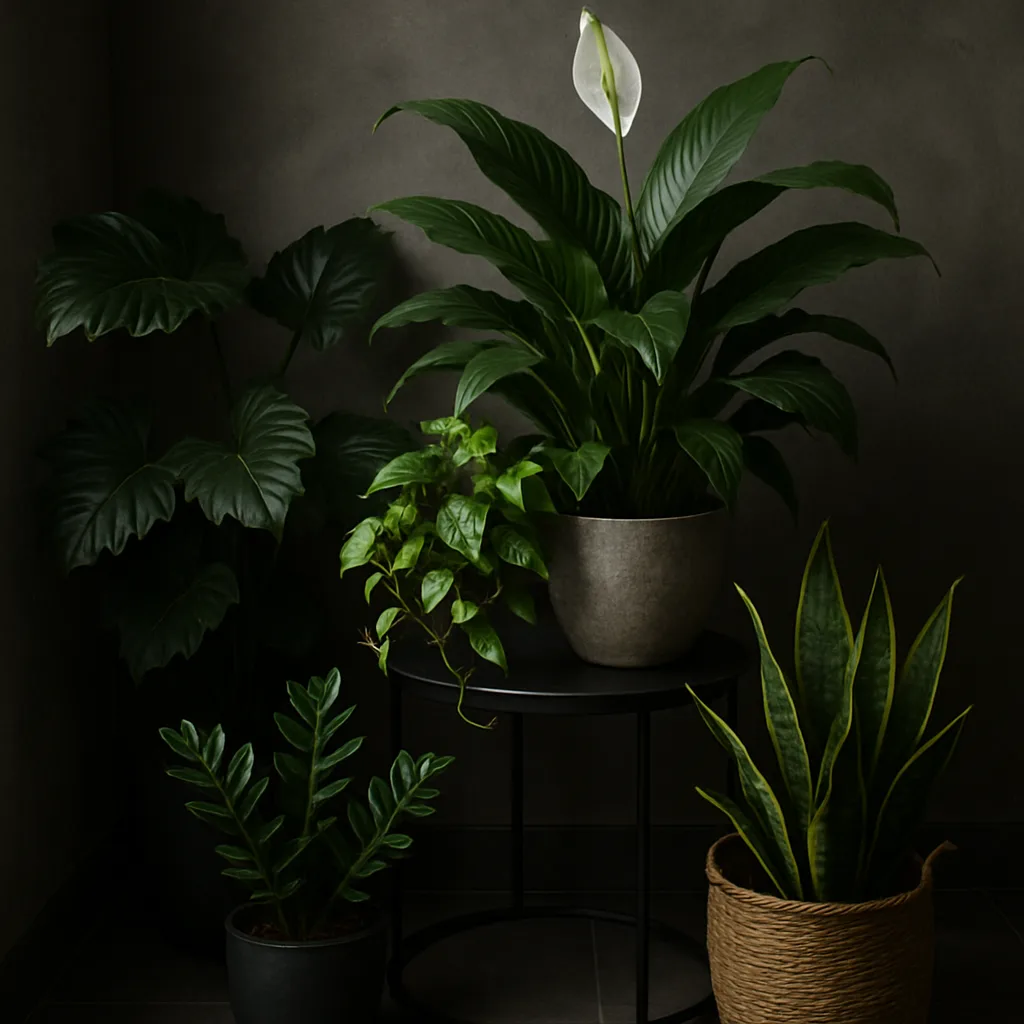
Transforming dark corners of your home into lush green sanctuaries can seem daunting, but with the right selection of low-light houseplants, it’s entirely achievable. Living in a small apartment with limited sunlight, I embarked on a journey to discover how I could bring a touch of nature to dim spaces. Through trial, error, and a bit of research, I found that some plants not only survive but thrive in low-light conditions. In this article, I’ll share practical insights on choosing and caring for these resilient houseplants, so you too can enjoy a vibrant indoor garden.
Understanding Low-Light Conditions
Before diving into plant selection, it’s crucial to understand what constitutes low-light. In general, a low-light area is one that doesn’t receive direct sunlight. For instance, spaces more than 2 meters away from a north-facing window, or a room where the curtains remain closed most of the day, fall into this category. It’s essential to remember that no plant can survive in complete darkness, so a bit of ambient light is always necessary.
Top Low-Light Houseplants
Snake Plant (Sansevieria)
The Snake Plant is a fantastic choice for low-light corners. With its tall, sturdy leaves, it can adapt to almost any lighting condition. I placed mine about 3 meters away from a small window, and it continued to grow splendidly. An added benefit is its ability to purify the air, making it both a decorative and functional addition.
Pothos (Epipremnum aureum)
Pothos is another versatile option. Its trailing vines make it perfect for hanging baskets or shelves. I once left my Pothos in a dim hallway for weeks and it continued to thrive. Just be mindful of keeping the soil slightly moist but never waterlogged.
ZZ Plant (Zamioculcas zamiifolia)
The ZZ Plant is virtually indestructible. It’s known for its waxy, glossy leaves and can survive in low-light areas with minimal watering. I positioned mine in a corner that only receives artificial light from a nearby lamp, and it has not disappointed.
Positioning and Care Tips
Maximizing Available Light
Even in dim spaces, slight adjustments can maximize available light. I found that placing mirrors strategically can reflect light into darker areas. Another tip is rotating your plants weekly to ensure all sides receive some light exposure.
Artificial Lighting Solutions
If natural light is scarce, consider using grow lights. I experimented with a small LED grow light about 1 meter above my plants, which made a noticeable difference in their growth. Ensure the light isn’t too intense, as this can lead to scorching.
Avoid Overwatering
Low-light conditions often mean slower growth, which translates to less frequent watering needs. Initially, I made the mistake of overwatering, which led to root rot. Now, I check the soil moisture with my finger and water only when it feels dry.
Common Mistakes and How to Avoid Them
One common mistake is assuming all plants need abundant sunlight. I learned this the hard way when a sun-loving plant wilted in a low-light spot. Always research the specific needs of your chosen plant species. Additionally, resist the urge to fertilize frequently; low-light plants consume nutrients at a slower rate.
Conclusion
Transforming dark corners into lush green sanctuaries is not only possible but can be deeply rewarding. By selecting the right low-light houseplants and making informed adjustments to their care, you can enjoy a thriving indoor garden in even the dimmest spaces. Remember, patience and observation are key. Each plant will have its own set of needs, and understanding them will make all the difference.
As you embark on your journey to green up your home, don’t be afraid to make changes and experiment with different plants and lighting solutions. The beauty of indoor gardening lies in its adaptability and the joy of creating a personalized oasis in your living space. Happy planting!

Gardening Writer & Plant Enthusiast
Sarah Mitchell is a passionate gardening writer dedicated to helping people bring more nature into their homes. She loves exploring indoor plants, flowers, and sustainable gardening practices, sharing simple and practical tips that make plant care easier for everyone.