
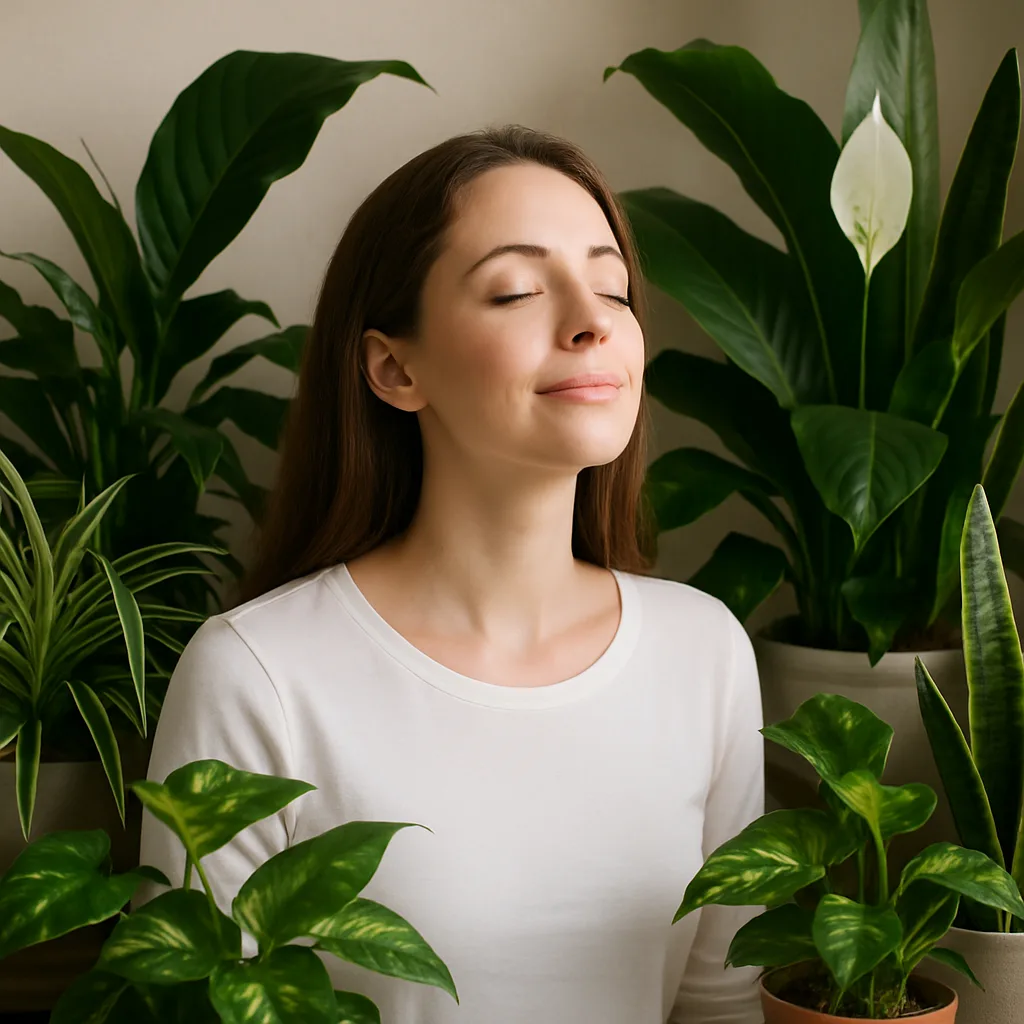
Breathe Easier: Discover the Top Indoor Plants That Purify Your Air and Boost Your Health Instantly!
When it comes to creating a healthy indoor environment, the role of lighting is often underestimated. While indoor plants are lauded for their ability to purify air and enhance health, the lighting conditions within your home can significantly impact their effectiveness. In this article, I’ll share my personal experience with indoor lighting, highlighting an unexpected insight I discovered about the positioning of my Snake Plant. This could change the way you think about indoor gardening!
The Role of Light in Plant Health
Light is crucial for photosynthesis, the process through which plants convert light energy into chemical energy. However, not all light is created equal. Different plants have varying light requirements, and understanding these can make a substantial difference in their growth and air-purifying capabilities. For instance, while some plants thrive in direct sunlight, others prefer the softer touch of indirect light.
The Snake Plant Experiment: A Lesson in Light
I’ve always loved having a Snake Plant in my living room. It’s resilient and known for its air-purifying capabilities. Originally, I placed it about 30 centimeters from a north-facing window, assuming it would receive enough indirect light. However, the plant didn’t seem to grow as expected, and I noticed the leaves were beginning to droop.
Moving Closer to the Light
After some research, I decided to move the plant closer—only 15 centimeters from the window. Within weeks, I noticed a dramatic change. The leaves perked up, and new growth appeared. This simple adjustment made me realize how a small change in light exposure can have a profound effect on plant health.
Understanding Light Intensity and Duration
It’s not just the distance from the light source that matters, but also the duration and intensity of light exposure. Using a light meter, I measured the light intensity at different times of the day. During peak daylight, the intensity was sufficient for most low-light plants. However, as the seasons changed, the intensity dropped significantly, which again affected my plants.
To combat this, I introduced a grow light for the shorter days of winter. This supplemental lighting provided a consistent light source, ensuring my plants received the necessary energy to thrive.
Direct vs. Indirect Light: Finding the Balance
Many indoor plants prefer indirect light, but what does this actually mean? Direct light comes from the sun without obstruction, while indirect light is diffused through curtains or reflected off walls. I learned that my Fiddle Leaf Fig, for instance, needed to be moved away from the harsh afternoon sun as it was causing leaf burn.
Testing Different Positions
To find the sweet spot, I experimented by moving the Fiddle Leaf Fig to different positions around the room. After placing it in a corner where it received morning sunlight and indirect afternoon light, the plant began to flourish. This experiment taught me the importance of observing and adjusting based on the plant’s response.
The Impact of Window Orientation
Window orientation plays a crucial role in determining the type and amount of light your plants receive. A south-facing window often provides the most light, making it ideal for sun-loving plants. Conversely, a north-facing window offers more consistent, but less intense light, suitable for shade-loving species.
When I moved my Peace Lily from a south-facing to a north-facing window, I noticed it required less frequent watering and the leaves became more vibrant. This change minimized the stress on the plant, illustrating the importance of matching plant needs with window orientation.
Conclusion
Indoor gardening is as much about understanding your plants as it is about creating the right environment for them. Lighting conditions, whether natural or supplemented with grow lights, can dramatically affect the health and air-purifying capabilities of your indoor plants. My personal journey with adjusting light exposure for my Snake Plant and Fiddle Leaf Fig revealed just how sensitive plants can be to subtle changes in their environment.
By paying close attention to the light intensity, duration, and the positioning of your plants, you can ensure they thrive. Don’t be afraid to experiment with different placements and observe the results—what may seem like a small change could lead to a vibrant, healthy indoor garden. In the end, understanding and optimizing the lighting conditions in your home not only boosts plant health but also enhances the quality of air you breathe every day.

Gardening Writer & Plant Enthusiast
Sarah Mitchell is a passionate gardening writer dedicated to helping people bring more nature into their homes. She loves exploring indoor plants, flowers, and sustainable gardening practices, sharing simple and practical tips that make plant care easier for everyone.