
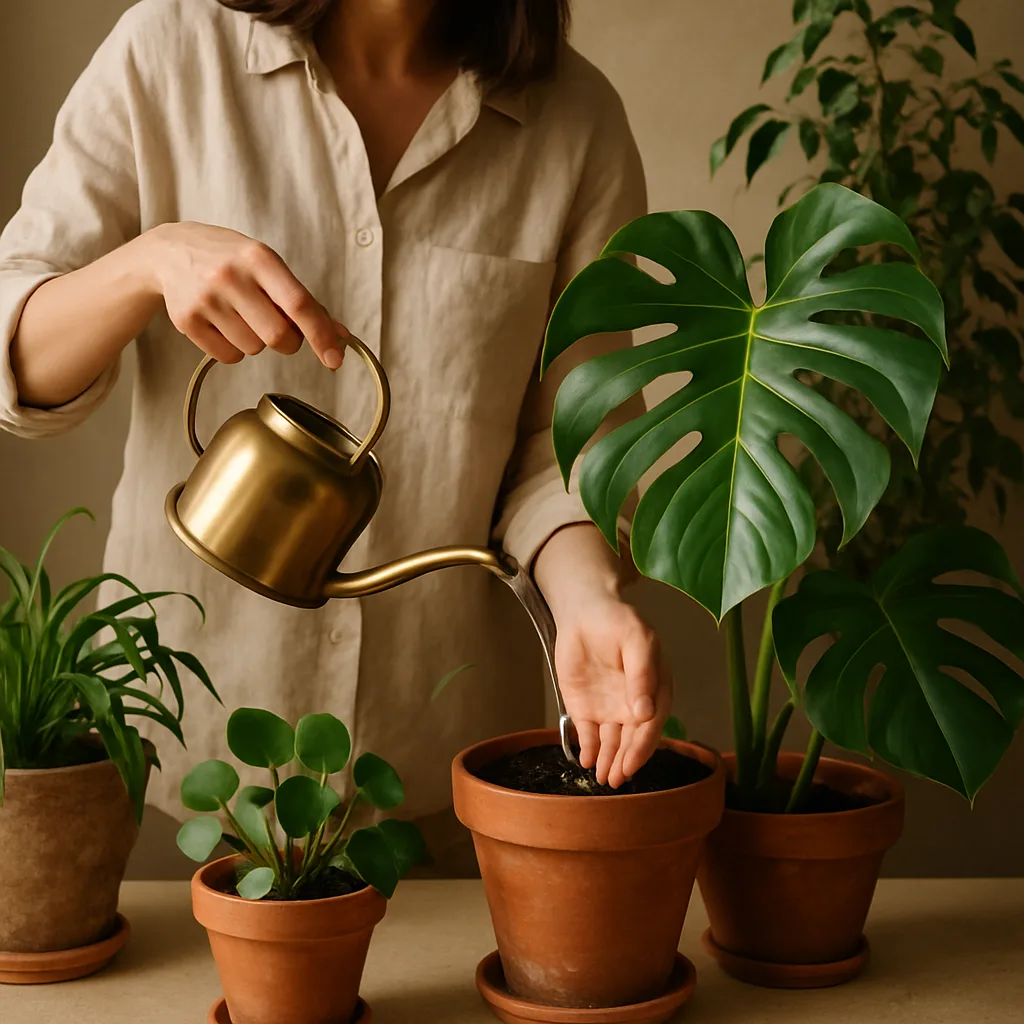
Indoor plants can add a touch of nature to our homes, but keeping them healthy requires understanding their hydration needs. One of the most common issues plant owners face is improper watering, leading to symptoms like yellowing leaves or wilting. Let’s dive into how you can master indoor watering and unlock the secret to perfect plant hydration for thriving greenery.
Recognizing the Symptoms of Improper Watering
When it comes to plant problems, watering is often at the top of the list. But how do you know if your plant’s issues stem from overwatering or underwatering? The symptoms can sometimes be misleading. In one of my early plant care experiences, I assumed yellow leaves meant I was underwatering, when in reality, it was the exact opposite.
Common Signs of Overwatering
Overwatering is a frequent mistake, especially among new plant parents eager to ensure their greenery thrives. Signs of overwatering include:
- Yellowing leaves that may also appear mushy.
- Soil that feels consistently damp or soggy.
- Fungal growth or mold on the soil surface.
- Droopy leaves that seem lifeless.
Identifying Underwatering Symptoms
On the flip side, underwatering can also cause distress to your plants, showing symptoms such as:
- Dried or crispy leaf edges.
- Soil that is pulling away from the edges of the pot.
- Leaves that are wilting or curling inward.
- Browning tips on leaves.
Diagnosing the Cause: Overwatering vs. Underwatering
Determining whether your plant is over or underwatered can be tricky. Here’s a step-by-step process to diagnose the problem:
Check the Soil Moisture
The first step is to check the soil’s moisture level. Gently stick your finger about an inch into the soil. If it feels dry, underwatering is likely the issue. If it’s wet or soggy, you’re probably dealing with overwatering.
Assess the Pot and Drainage
Ensure your plant’s pot allows for proper drainage. A pot without drainage holes can lead to waterlogging, even with the right watering frequency. If water isn’t escaping, overwatering symptoms can appear rapidly.
Observe the Plant’s Environment
Consider environmental factors like humidity and temperature. A plant in a dry, hot environment may need more frequent watering compared to one in a cool, humid space.
Solutions and Recovery
Correcting Overwatering
If you’ve determined that overwatering is the culprit, here’s what you can do:
- Allow the soil to dry out completely before the next watering session.
- Ensure proper drainage by repotting if needed.
- Trim off any dead or mushy roots—this can prevent root rot from spreading.
Addressing Underwatering
For underwatered plants, follow these recovery tips:
- Water the plant thoroughly, ensuring water reaches all parts of the soil.
- Set a consistent watering schedule based on the plant’s needs and environmental conditions.
- Consider humidity trays or misting if the air is particularly dry.
Conclusion
Mastering indoor watering takes practice and observation. The key is to understand your plant’s specific needs and adjust accordingly. Remember, perfect plant hydration isn’t about rigid schedules but about responding to the signs your plants are showing.
In my own plant care journey, I’ve learned that patience and keen observation are essential. By closely monitoring the symptoms and adjusting my actions, I’ve transformed my indoor garden into a flourishing sanctuary. Whether you’re just starting out or looking to refine your skills, the secret to thriving greenery lies in the details. Keep experimenting and learning from each plant, and soon you’ll find the perfect balance that works for your indoor oasis.
Gardening Writer & Plant Enthusiast
Sarah Mitchell is a passionate gardening writer dedicated to helping people bring more nature into their homes. She loves exploring indoor plants, flowers, and sustainable gardening practices, sharing simple and practical tips that make plant care easier for everyone.