
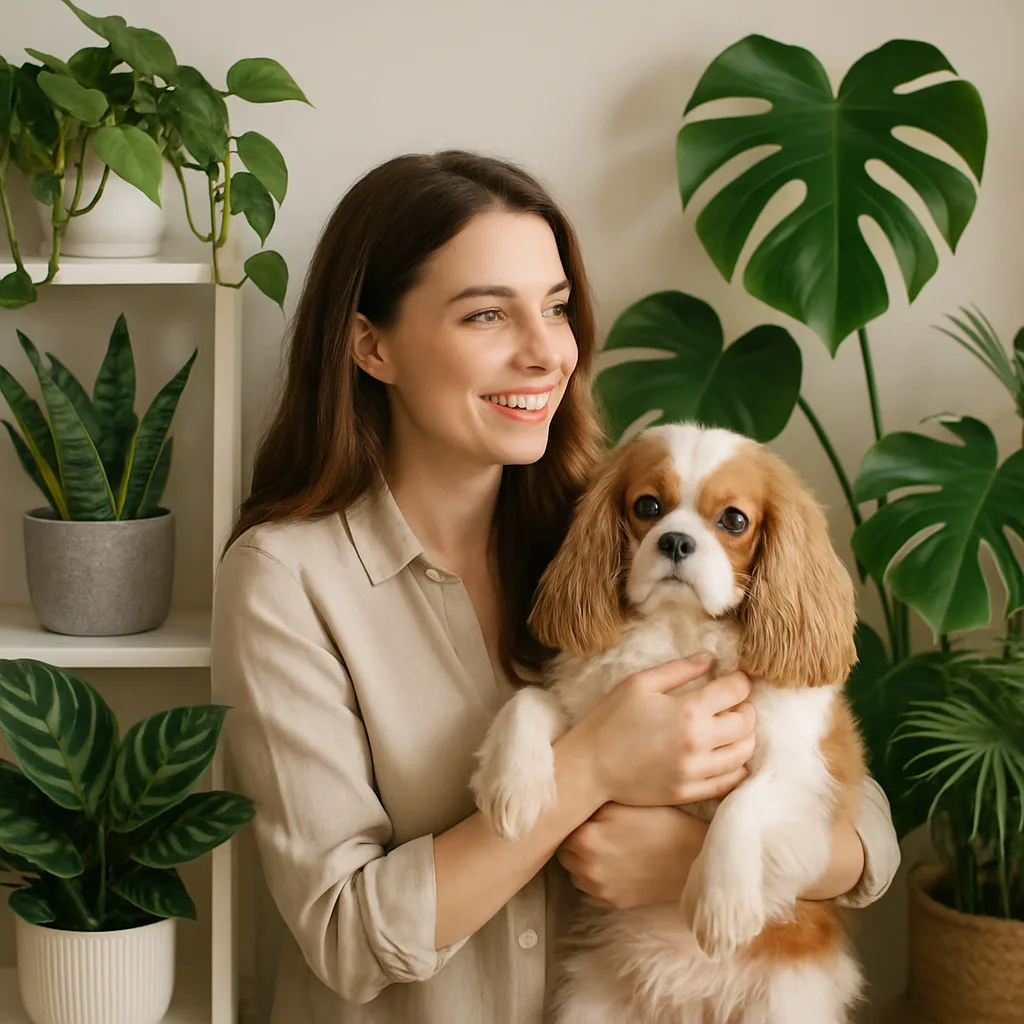
Houseplants have become an essential part of home decor, bringing not only aesthetic appeal but also health benefits to our living spaces. However, as a pet owner, finding the right plants that won’t harm your furry friends can be a bit challenging. In this article, I will share my personal journey in discovering the perfect non-toxic houseplants that are both safe for pets and stylish for your home.
Understanding the Importance of Non-Toxic Houseplants
When I first started decorating my apartment with plants, I was unaware of how many common houseplants are actually toxic to pets. My cat, Whiskers, loves to nibble on leaves, and it wasn’t long before I realized I needed to be more cautious in my selection of indoor greenery. The last thing I wanted was a trip to the vet due to a curious bite on a toxic leaf.
Choosing the Right Non-Toxic Plant: The Case of the Spider Plant
After some research, I discovered that Spider Plants (Chlorophytum comosum) are not only non-toxic to pets but also incredibly easy to care for. These plants are known for their air-purifying qualities and distinctive arching leaves. I placed my Spider Plant on a shelf where it received indirect sunlight, and it thrived without much fuss.
Light and Watering Needs
Spider Plants prefer bright, indirect light, but they can also tolerate lower light conditions. I initially had mine too close to a window, and the leaves started to scorch. Moving it about 3 feet away from the window solved the issue. In terms of watering, I found that allowing the soil to dry out slightly between waterings worked best. Overwatering can lead to root rot, which is something I learned the hard way when my plant started to wilt. Cutting back on water revived it back to its former glory.
Potting and Soil Considerations
One of my early mistakes with the Spider Plant was placing it in a pot without proper drainage. This caused water to accumulate at the bottom, leading to soggy roots. Switching to a pot with drainage holes and using well-draining potting soil made a significant difference. I now use a mix designed for indoor plants that includes perlite for added aeration.
Common Problems and How to Address Them
A common problem I encountered was the browning of leaf tips. Initially, I thought it was due to underwatering, but it turned out to be an issue with fluoride in tap water. Switching to distilled water minimized the browning. Additionally, Spider Plants are prone to attracting pests like aphids, which I handled by wiping the leaves with a mild soap solution.
The Aesthetic Appeal of Spider Plants
Aside from being pet-safe, Spider Plants add a touch of elegance to any room. The cascading leaves create a dramatic effect, especially when placed in a hanging basket. I found that they complemented other houseplants beautifully, adding texture and dimension to my indoor garden.
Conclusion
In my quest to create a pet-friendly plant haven, Spider Plants have proven to be an ideal choice. They are easy to maintain, non-toxic to pets, and add a sophisticated touch to any home interior. Throughout my experience, I learned the importance of understanding my plants’ needs, from light and water to the type of soil they thrive in.
If I could start over, I would pay closer attention to the initial placement and watering habits of my plants. Understanding the specific requirements of each species is crucial to their well-being. For any pet owner looking to beautify their home with plants, I highly recommend starting with the resilient and stylish Spider Plant.
Gardening Writer & Plant Enthusiast
Sarah Mitchell is a passionate gardening writer dedicated to helping people bring more nature into their homes. She loves exploring indoor plants, flowers, and sustainable gardening practices, sharing simple and practical tips that make plant care easier for everyone.