
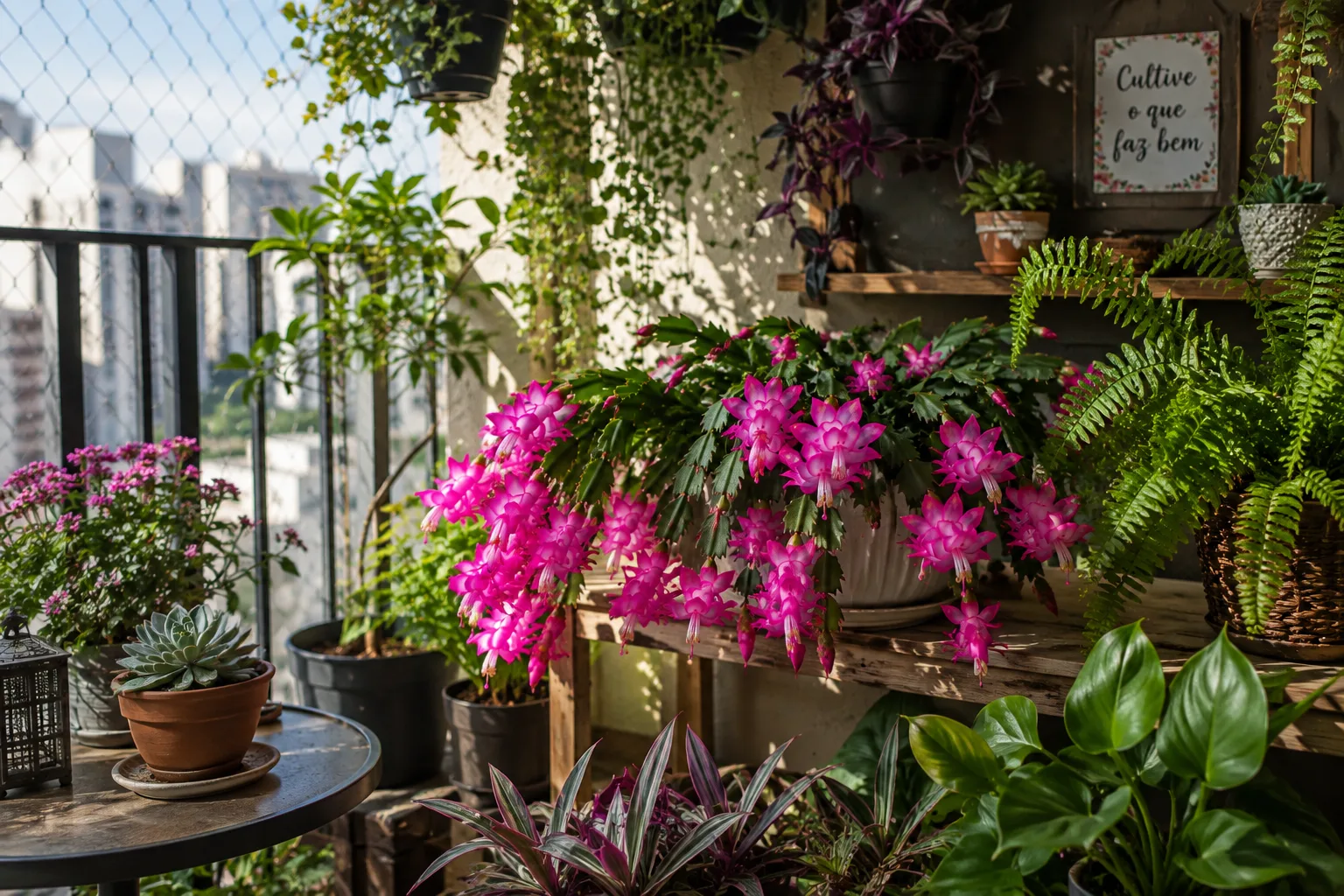
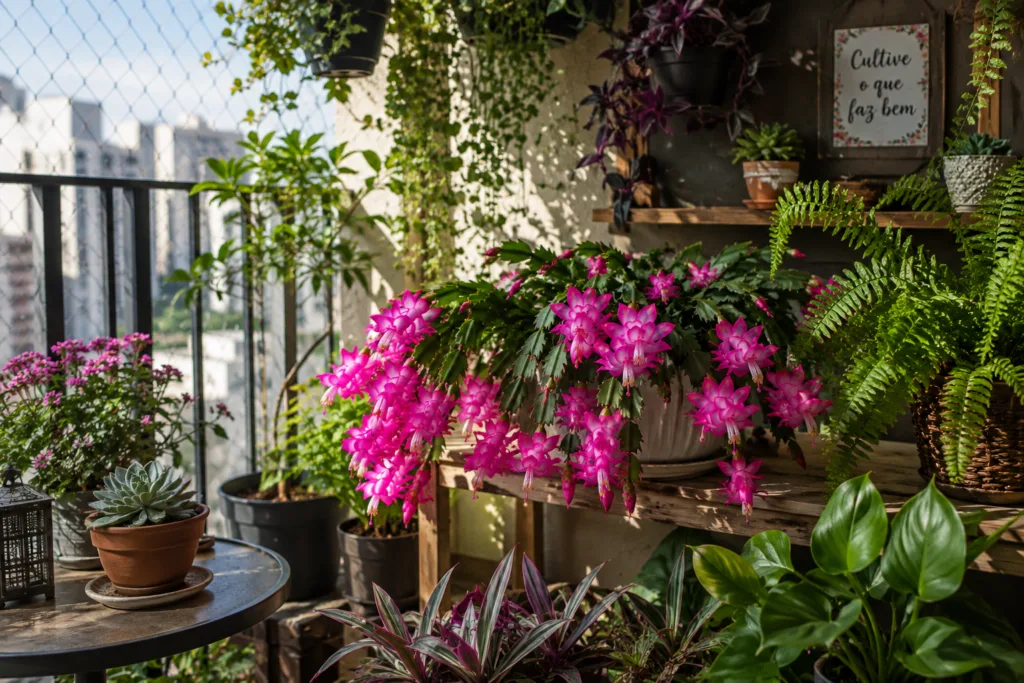
My Christmas cactus is nothing like my desert succulents in terms of what it wants, something I learned the hard way when I first tried propagating it using the same approach that had worked well for my Echeveria. The segments rotted before rooting, and it took switching my whole approach, especially around timing, before I got consistent results.
Understanding Why This Plant Is Different
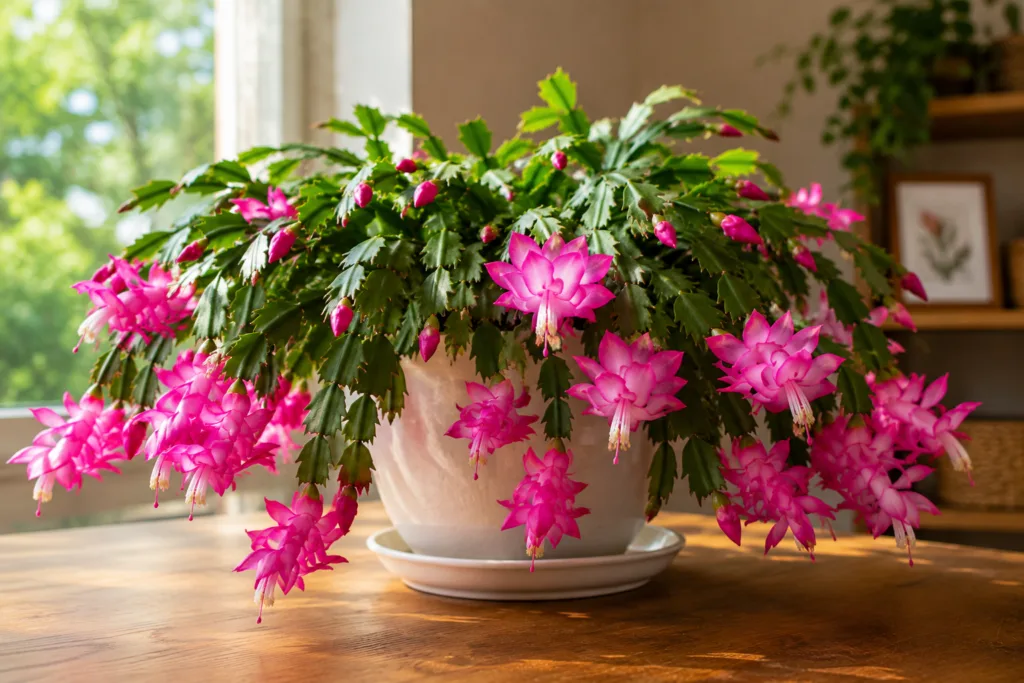
Despite the name, Christmas cactus (and its close relative Thanksgiving cactus) is a forest cactus, native to humid, tree-dwelling environments rather than arid desert conditions. This matters enormously for propagation, since the dry, sparse watering approach that works for a true desert cactus or succulent leaf cutting has consistently led to poor results for me with this plant.
Taking the Cutting
I take a cutting of two to three connected leaf segments, twisting gently at a natural joint rather than cutting straight through a segment, which I’ve found roots more reliably than a cutting made mid-segment. I let the cutting sit out for about two to three days to callus, shorter than the week I might give a thicker succulent leaf, since these segments are considerably thinner and seem to callus faster.
The Soil Mix That Actually Worked
My early failures came from using the same gritty, fast-draining succulent mix I use for my desert cacti. Once I switched to a mix with more organic material — closer to what I’d use for one of my tropical foliage plants, just still reasonably well-draining — my success rate improved dramatically. This plant wants a mix that holds a bit more moisture than a true desert cactus mix provides.
Timing Made the Single Biggest Difference
My first attempts, made in late fall specifically because I was cutting the plant back before what I assumed was its dormant period, failed almost universally, with segments shriveling rather than rooting. I later learned Christmas cactus doesn’t follow the same growth calendar as most other succulents — it’s actively growing in the months leading up to its bloom period rather than resting then, and it’s the period right after blooming, typically late winter into spring, where I’ve since had by far my best propagation results.
Watering During Rooting
I keep the soil lightly, consistently moist during the rooting period, checking every few days rather than letting it dry out completely the way I would for a succulent leaf cutting. This was a genuine mental shift for me, going against everything I’d learned propagating my other succulents, but it’s matched this plant’s actual preferences far better than treating it like a typical cactus.
How Long Rooting Actually Takes
Once I adjusted my timing and soil mix, cuttings have typically shown roots within about three to four weeks, with new segment growth following within another few weeks after that. This is considerably faster than several of my other succulent propagation attempts, which surprised me given how much trouble my initial, poorly-timed attempts had given me.
Water Propagation as an Alternative
I’ve also had success rooting segments in a small glass of water, changed every few days, which let me visually confirm root development rather than guessing. Roots appeared within a similar three to four week window as my soil attempts, and transferring rooted cuttings to soil afterward has gone smoothly as long as I didn’t let them sit in water for an extended period beyond that initial rooting.
What I’d Tell Someone About to Try This
Don’t treat this like a typical succulent or desert cactus propagation, despite the name and general appearance suggesting otherwise. Time your cuttings for late winter or spring rather than fall, use a soil mix with more moisture retention than you’d use for a true cactus, and keep the soil more consistently damp during rooting than you would for almost any other succulent-adjacent plant in your collection.
Frequently Asked Questions
Why did my Christmas cactus cutting shrivel instead of rooting? For me, this happened specifically with fall-timed attempts using a dry, fast-draining desert cactus mix. Switching to spring timing and a more moisture-retentive soil resolved the problem.
Should I water Christmas cactus cuttings like other succulents? No — in my experience, this plant wants soil kept lightly, consistently moist during rooting, unlike the dry-between-waterings approach that works for true desert succulents.
What’s the best time of year to propagate Christmas cactus? Based on my own results, late winter through spring, after the plant’s bloom period, has worked far better than fall, which is when I initially assumed the plant would be dormant and ready for cutting.

Gardening Writer & Plant Enthusiast
Sarah Mitchell is a passionate gardening writer dedicated to helping people bring more nature into their homes. She loves exploring indoor plants, flowers, and sustainable gardening practices, sharing simple and practical tips that make plant care easier for everyone.