
Introduction
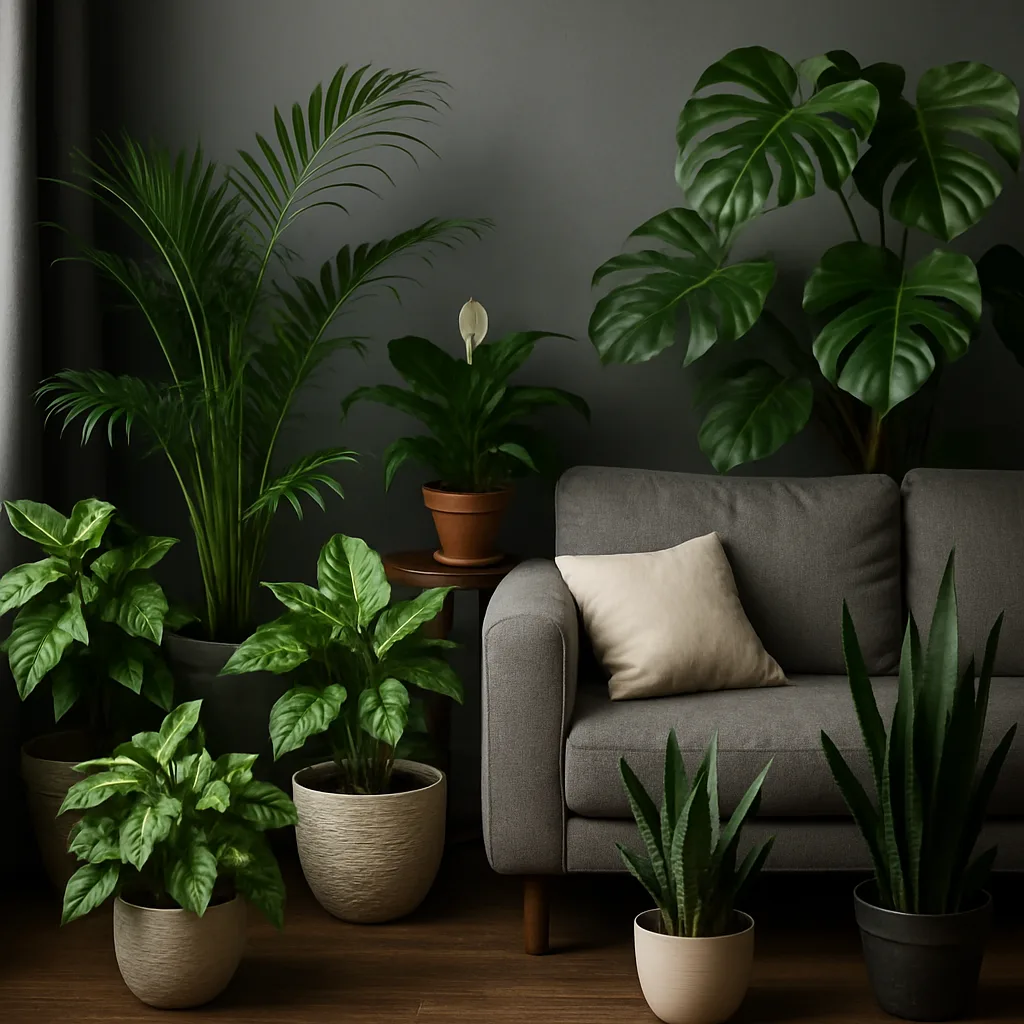
Transforming your dim rooms into lively, vibrant spaces can be a rewarding experience, especially when you incorporate the right indoor plants. Not all plants thrive in bright, sunny conditions, and that’s where low-light indoor plants come into play. I discovered this when I first moved into an apartment with limited natural light. Over time, I learned how to use these green companions to banish the gloom and bring life to my space.
Choosing the Right Plant
The first crucial step is picking the right plant for your space. Not every plant can survive low-light conditions, but certain species, like the Snake Plant, ZZ Plant, and Pothos, are excellent choices. I started with a Snake Plant, known for its hardiness and minimal light requirements. This plant is not only easy to care for but is also remarkably forgiving of neglect.
Understanding Light Needs
One might think that low-light means no light, but that’s a misconception I quickly corrected. Low-light plants still require some indirect sunlight to thrive. My Snake Plant did best when placed near a north-facing window, about 3 feet away. This provided enough ambient light without the dangers of direct sun exposure.
The Watering Conundrum
Watering was my next learning curve. Overwatering is a common trap with low-light plants. I initially watered my Snake Plant once a week, leading to soggy soil and yellowing leaves. After some research and trial, I adjusted it to once every two weeks, allowing the soil to dry out completely between waterings. This change revived the plant, restoring its green hue.
Soil and Pot Selection
Choosing the right soil and pot is just as important as watering. I learned that a well-draining potting mix is essential for low-light plants to prevent waterlogging. I used a mix designed for succulents, which worked wonders. Pairing this with a pot that had ample drainage holes was crucial in maintaining the plant’s health.
Temperature and Humidity Considerations
Temperature and humidity play a significant role in plant health. Most low-light plants, like the Snake Plant, prefer temperatures between 65-80°F. My apartment fluctuated a bit more, but the plant thrived in my living room, away from drafty windows and vents. Humidity wasn’t much of an issue, but I occasionally misted the leaves during dry winter months to mimic their natural environment.
Fertilization Tips
Initially, I was hesitant about fertilizing, fearing it might do more harm than good. However, I found that using a diluted liquid fertilizer every few months during the growing season helped maintain vibrant foliage. It’s essential not to overdo it, as too much can lead to nutrient burn, a mistake I made once, causing leaf tips to brown.
Common Problems and Solutions
One challenge I faced was pest infestations, particularly spider mites. Regularly wiping the leaves with a damp cloth helped prevent these pests. If you encounter similar issues, a mild insecticidal soap can be effective. Another problem was root rot due to initial overwatering, but improving drainage and adjusting watering frequency resolved it.
Conclusion
Incorporating low-light plants like the Snake Plant into your home can dramatically transform dim spaces into inviting, green havens. By understanding their specific needs, such as light, water, and soil requirements, you can avoid common pitfalls and ensure your plants thrive.
Reflecting on my journey with low-light plants, I’ve learned that patience and observation are key. Each plant has its own personality and quirks, but with attention and care, they can bring a touch of nature to even the gloomiest room. If I were to start again, I would prioritize researching each plant’s specific needs before diving in, ensuring a smoother and more successful plant-parenting experience.
Gardening Writer & Plant Enthusiast
Sarah Mitchell is a passionate gardening writer dedicated to helping people bring more nature into their homes. She loves exploring indoor plants, flowers, and sustainable gardening practices, sharing simple and practical tips that make plant care easier for everyone.