
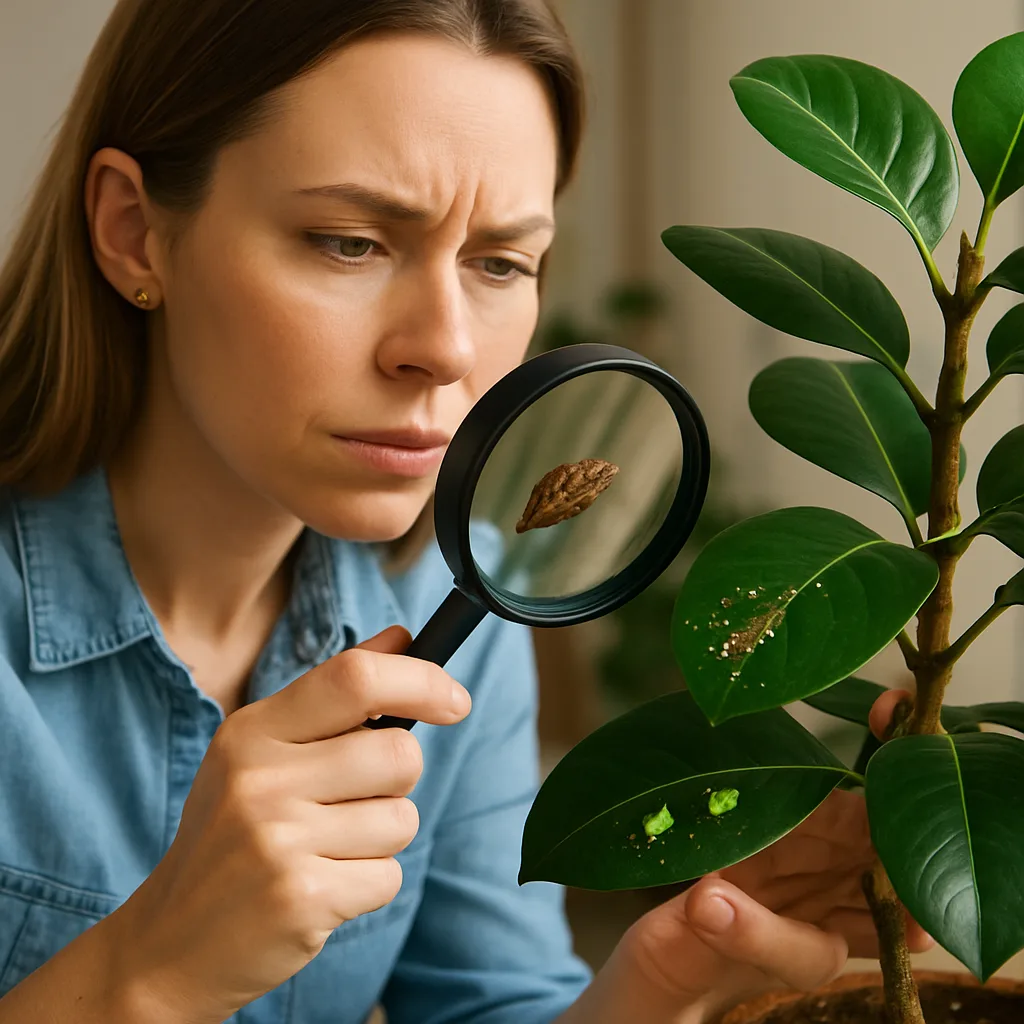
Houseplants bring life and a splash of green to any indoor space, but they can also be plagued by pesky pests. If you’ve noticed your beloved greens looking less vibrant or showing signs of distress, it’s time to investigate. Let’s delve into the hidden culprits that might be lurking in your pots and how you can master the art of identifying and banishing these unwanted guests for good.
Recognizing the Symptoms
The first step in tackling houseplant pests is identifying the symptoms. Yellowing leaves, stunted growth, sticky residue on leaves, or tiny holes in foliage are all indicators that something might be amiss. Sometimes, you may even notice a decline in your plant’s overall health without any visible signs of pests.
Common Houseplant Pests
Several pests are notorious for infesting indoor plants. Here are some of the most common ones:
Aphids
Aphids are small, pear-shaped insects that cluster on new growth. They suck sap from the plant, leading to yellowing leaves and distorted growth. You might also notice a sticky substance called honeydew, which can attract ants and lead to sooty mold.
Spider Mites
Spider mites are tiny, often red, and reside on the undersides of leaves. They create fine webbing and cause leaves to look stippled or speckled. If you notice dusty-looking leaves, it might be time to check for these pests.
Fungus Gnats
These small, dark flies can be seen hovering around your plants. Their larvae feed on organic matter in the soil and can damage young roots, impacting the plant’s ability to absorb nutrients and water effectively.
Investigating the Root Cause
To accurately diagnose your plant’s problem, it’s crucial to perform a thorough inspection. Here’s how I usually go about it:
Visual Inspection
Get up close and personal with your plants. Carefully examine both the tops and undersides of the leaves, stems, and the soil surface. Use a magnifying glass for better visibility of tiny pests.
Environmental Conditions
Reflect on the environmental conditions of your plant’s space. Factors like humidity, temperature, and air circulation can either exacerbate or alleviate pest issues. For instance, spider mites thrive in dry conditions, so increasing humidity might deter them.
Effective Pest Control Methods
Once you’ve identified the pests, it’s time to take action. Here are some methods I have found effective:
Manual Removal
For light infestations, manually removing pests can be quite effective. Gently wipe leaves with a damp cloth or use a cotton swab dipped in alcohol to remove stubborn insects.
Natural Remedies
Consider using natural sprays, like neem oil or insecticidal soap, which are less harmful to the environment and safe for indoor use. Always test a small area first to ensure no adverse reactions occur.
Introduce Beneficial Insects
Ladybugs and predatory mites can be introduced to naturally control pest populations. They prey on aphids and spider mites without harming your plants.
Conclusion
Troubleshooting plant problems is not always straightforward, and identifying pests requires patience and keen observation. As someone who has spent countless hours nurturing houseplants, I’ve learned that keeping a close eye on changes and nurturing an adaptable care routine is crucial for preventing pest invasions.
Should I face a similar pest issue again, I’d ensure to regularly check my plants and maintain optimal environmental conditions to prevent an infestation from taking root. Each problem is an opportunity to learn more about your plants and how best to care for them. Remember, your vigilance and quick action are the keys to keeping your houseplants thriving and pest-free.

Gardening Writer & Plant Enthusiast
Sarah Mitchell is a passionate gardening writer dedicated to helping people bring more nature into their homes. She loves exploring indoor plants, flowers, and sustainable gardening practices, sharing simple and practical tips that make plant care easier for everyone.