
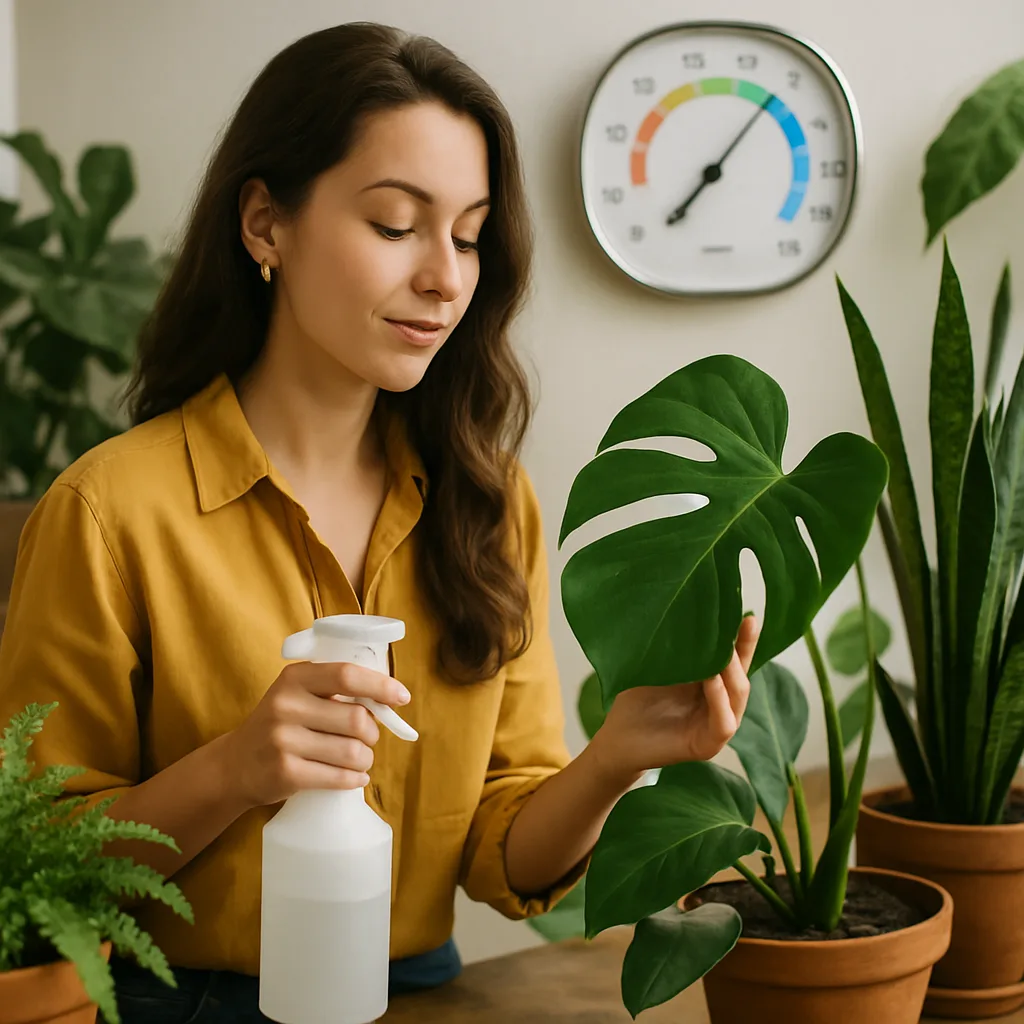
If you’ve ever wondered why some houseplants thrive while others seem to wither under your care, the answer might be hiding in the air around you. Humidity is a crucial factor that can make or break the success of your indoor garden. Understanding how to master moisture for your plants can transform your living space into a lush haven. In this article, I’ll share my insights and experiences on how humidity affects houseplants and how you can create the perfect environment for them to flourish.
Understanding Humidity and Its Impact on Houseplants
Humidity, essentially the amount of moisture in the air, plays a vital role in plant health. Most houseplants originate from tropical regions where the air is naturally moist. When the humidity levels in your home are too low, plants can suffer from dry leaves, brown tips, and stunted growth. On the flip side, too much humidity can lead to mold, rot, and pests.
It’s important to note that not all plants have the same humidity needs. For instance, ferns and orchids thrive in high humidity, while succulents and cacti prefer drier conditions. This means that understanding the specific requirements of your plants is essential for their wellbeing.
Choosing the Right Plants for Your Environment
As a beginner or someone with a busy lifestyle, selecting plants that match your home’s natural humidity levels can make all the difference. Here are a few options:
Plants for Low Humidity Environments
If your home tends to be on the drier side, consider adding succulents or snake plants. These plants are resilient and require minimal watering, making them perfect for those who may forget to water regularly. However, even these hardy plants can suffer if placed in an overly humid room, so be sure to monitor their condition.
Plants for High Humidity Environments
Bathrooms and kitchens often have higher humidity levels due to steam from showers and cooking. Ferns, such as the Boston fern, and peace lilies are excellent choices for these spaces. These plants will soak up the extra moisture, helping to prevent mold while adding greenery to your home.
Maintaining Optimal Humidity Levels
Once you’ve selected the right plants, maintaining the ideal humidity levels is the next step. Here are a few strategies I’ve found effective:
Using a Humidifier
If your home is particularly dry, using a humidifier can help maintain the right moisture level for your plants. This is especially useful during winter months when heating systems can dry out the air.
Grouping Plants Together
Plants naturally release moisture through a process called transpiration. By grouping your plants, you can create a microenvironment with a higher humidity level, benefiting all the plants clustered together.
Utilizing Pebble Trays
Placing pots on trays filled with water and pebbles can increase humidity around the plants. As the water evaporates, it provides a localized humidity boost without overwatering the plants.
Common Mistakes and How to Avoid Them
During my own plant journey, I’ve made a few mistakes that others can learn from. One error was assuming that all plants needed more humidity than my home provided. This assumption led to overwatering and eventually, root rot.
Another common mistake is not adjusting humidity levels with the changing seasons. As the weather changes, so should your approach to plant care. Monitoring and adapting to these changes ensures your plants remain healthy throughout the year.
Conclusion
Mastering humidity for your houseplants might seem like a daunting task, but with a little knowledge and effort, it can significantly enhance your indoor garden’s success. By understanding each plant’s specific needs and adjusting your home’s environment accordingly, you can cultivate a thriving, lush green space.
Remember, there is no one-size-fits-all solution. Pay attention to your plants, experiment with different methods, and don’t be afraid to make adjustments as you learn. Through trial and error, you’ll find what works best for you and your green companions, ensuring they bring life and beauty to your home for years to come.
Gardening Writer & Plant Enthusiast
Sarah Mitchell is a passionate gardening writer dedicated to helping people bring more nature into their homes. She loves exploring indoor plants, flowers, and sustainable gardening practices, sharing simple and practical tips that make plant care easier for everyone.