
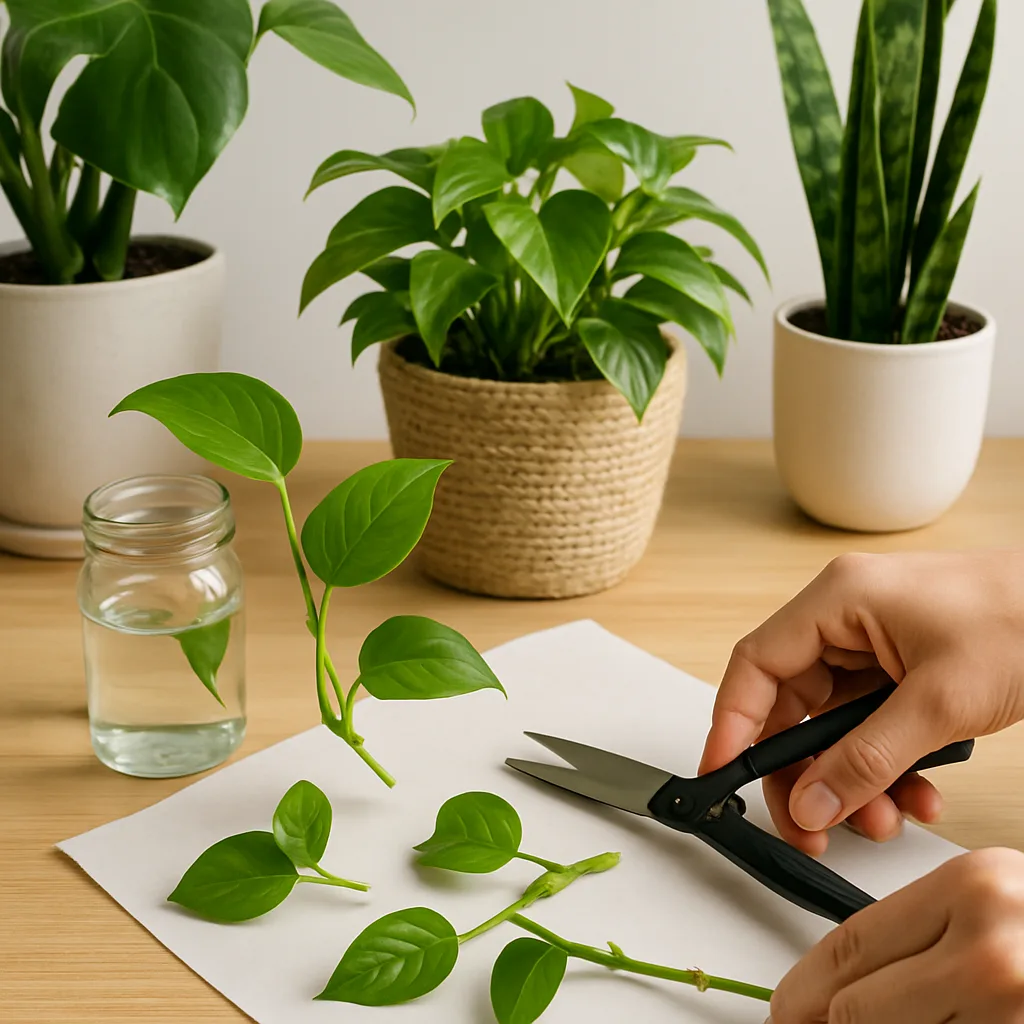
Houseplants have a way of transforming any indoor space into a lush, vibrant sanctuary. Yet, the secret to maintaining an ever-green indoor garden often lies in understanding and managing the light conditions your plants are exposed to. As someone who has navigated the intricate world of indoor plant lighting, I have discovered that even the slightest change in light can make or break the health of your plants. Today, I’ll share how a simple move of my plant a mere meter away from the window made a significant difference and the lessons learned along the way.
The Importance of Light in Indoor Plant Care
Light is a crucial factor in plant growth, acting as a catalyst for photosynthesis. However, the intensity and duration of light can vary dramatically within a home. A plant positioned on a windowsill basking in sunlight can have a vastly different experience compared to one on a dimly lit shelf. Understanding these nuances is key to ensuring your houseplants thrive.
The One-Meter Revelation: A Personal Experiment
The Setup
In my living room, I have an east-facing window where I initially placed a thriving Pothos. It received morning sun and indirect light for most of the day. Curious about the effects of light changes, I decided to move it one meter away from the window, where it would receive less direct sunlight but still get ambient illumination.
The Change and Its Consequences
Initially, the Pothos seemed unaffected. However, within weeks, I noticed a marked difference. The leaves, once vibrant and glossy, began to lose their luster. Growth slowed, and some leaves started yellowing. It was a clear sign that the plant was not receiving enough light. This small move demonstrated how sensitive plants can be to changes in their environment and how vital it is to find the right spot for each species.
Natural Light vs. Artificial Grow Lights
For homes that lack natural sunlight, grow lights can be an excellent alternative. These artificial lights are designed to mimic the full spectrum of the sun, providing the necessary wavelengths for photosynthesis. However, choosing the right type of grow light and positioning it correctly is crucial.
Distance Matters
During another experiment, I positioned a grow light directly above a succulent to mimic direct sunlight. Positioned too close at 15 cm, the plant became scorched, with leaves turning brown. Adjusting the distance to about 30 cm allowed for adequate light without damage, illustrating the importance of distance in light management.
Seasonal Lighting Changes
As seasons change, so does the angle and intensity of sunlight. In the winter, when daylight hours are shorter, relocating your plants closer to windows or supplementing with grow lights can help maintain growth. Conversely, in summer, you might need to shield plants from intense midday sun to prevent scorching.
Common Lighting Mistakes and How to Avoid Them
One of the most common mistakes is assuming that all plants require the same amount of light. Each species has its own light requirements. For instance, a Ficus thrives in bright, indirect light, while a Snake Plant can tolerate much lower light levels.
Another misconception is the idea that if a plant isn’t thriving, it simply needs more water. Often, the issue is insufficient light. Before increasing water, check if the plant is in an optimal lighting position.
Conclusion
Understanding indoor lighting and its impact on houseplants is a journey that involves observation, experimentation, and adaptation. The experience of moving my Pothos taught me that even small changes can have significant effects. It highlighted the importance of carefully considering the light needs of each plant and making informed adjustments as necessary.
Ultimately, by paying close attention to the light conditions in your home and being willing to experiment, you can unlock the secret to maintaining vibrant, healthy indoor greenery. Remember, each plant is unique, and finding the right lighting balance is key to their success. Embrace the process, and watch your indoor garden flourish.

Gardening Writer & Plant Enthusiast
Sarah Mitchell is a passionate gardening writer dedicated to helping people bring more nature into their homes. She loves exploring indoor plants, flowers, and sustainable gardening practices, sharing simple and practical tips that make plant care easier for everyone.