
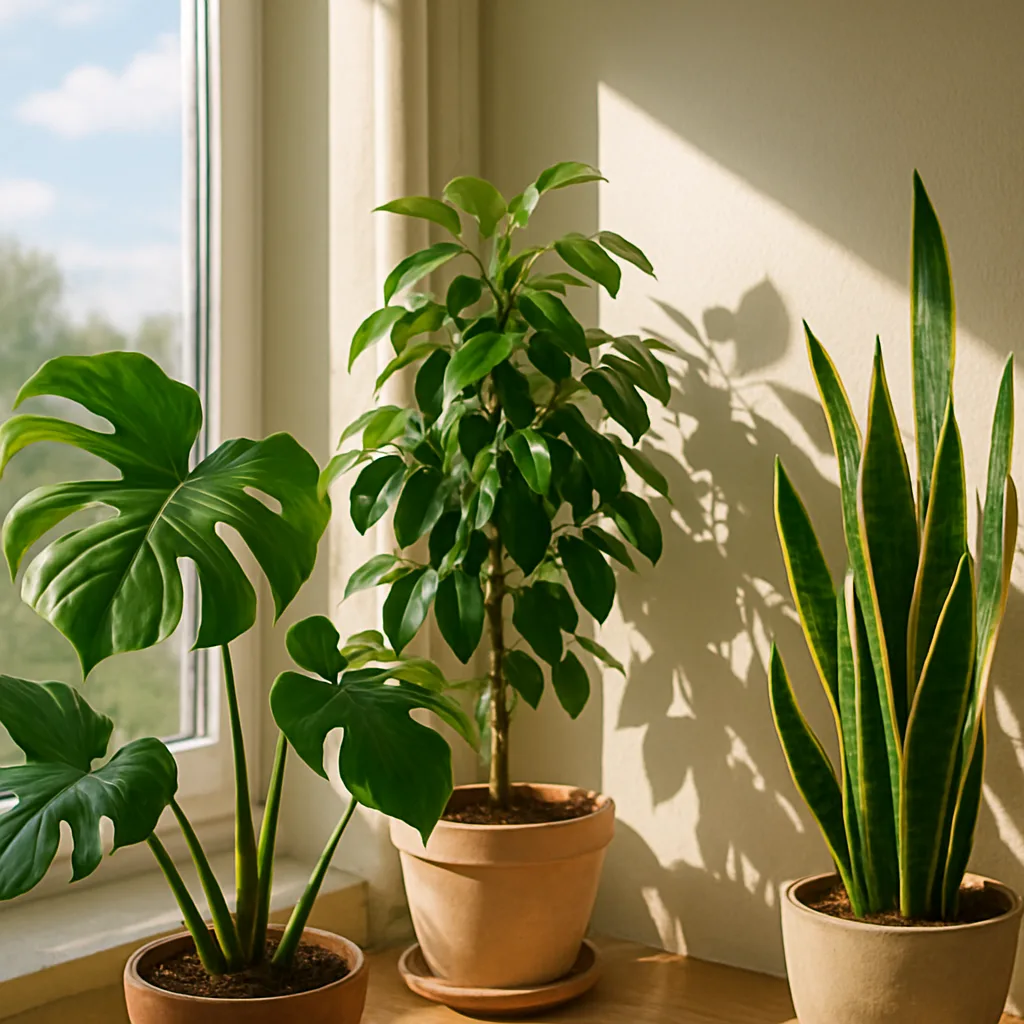
As a devoted indoor plant enthusiast, I’ve always been fascinated by how light affects the growth and propagation of houseplants. Harnessing the power of natural light cycles can transform your indoor plants into thriving green wonders. This journey into plant propagation has been both enlightening and challenging, with plenty of lessons along the way.
Understanding Natural Light Cycles
Natural light cycles are the changes in light exposure that occur throughout the day. These cycles influence plant behavior, affecting processes such as photosynthesis, flowering, and growth. Indoor plants often struggle because they don’t receive the same quality or quantity of light as they would outdoors. By optimizing these light cycles, we can enhance their growth and propagation success.
Choosing the Right Propagation Method
Among the various propagation techniques, I’ve found that water propagation works wonders for many houseplants. It’s particularly effective for plants such as pothos, philodendrons, and monsteras. Water propagation allows you to observe root growth, making it easier to monitor progress and address issues early.
Steps for Water Propagation
Here’s a step-by-step guide based on my experiences:
- Select a Healthy Cutting: Choose a stem cutting with at least two or three nodes. The node is where the roots will sprout. Cut just below the node, ensuring the cutting is about 4-6 inches long.
- Remove Lower Leaves: Strip away any leaves from the bottom half of the cutting to prevent them from rotting in water.
- Place in Water: Submerge the cutting in a clear jar or glass filled with water, ensuring the nodes are underwater but leaves are not.
- Provide Ample Light: Place the jar in a spot with bright, indirect sunlight. Direct sunlight can be too harsh and may cause algae growth in the water.
- Change Water Regularly: Refresh the water every few days to prevent stagnation and ensure oxygenation, promoting healthy root development.
Common Mistakes and Lessons Learned
Throughout my propagation experiments, I’ve encountered a few common pitfalls:
Ignoring Light Quality
Initially, I placed my cuttings in a dim corner, underestimating the importance of light quality. The cuttings developed weak, spindly roots, which eventually led to their demise. By relocating them to a well-lit area, subsequent propagations thrived with strong, robust roots.
Inadequate Water Changes
Another mistake was forgetting to change the water regularly. Without fresh water, algae began to form, compromising the oxygen levels and stunting root growth. Consistent water changes proved crucial for healthy plant propagation.
Temperature and Humidity Considerations
Room temperature and humidity also play critical roles. Cold drafts or overly dry air can hinder root formation. Placing a plastic bag loosely over the jar can help maintain humidity, creating a mini-greenhouse effect that promotes rooting.
Signs of Successful Propagation
The joy of seeing new roots is unparalleled. Typically, you’ll notice root development within two to four weeks, varying by species and environmental conditions. Healthy roots are white or light brown and firm to the touch. Once roots reach 2-3 inches, it’s usually time to transfer them to soil.
Conclusion
Embracing the magic of natural light cycles has revolutionized my approach to indoor plant propagation. By understanding and optimizing these cycles, my once struggling cuttings have transformed into flourishing green wonders.
Reflecting on my experiences, I’d encourage fellow plant lovers to experiment with different light exposures and propagation methods. Each plant species has unique needs, and what works for one might not work for another. Be patient, observe, and adjust conditions as necessary to find the perfect balance for your plants.
Armed with these insights, you, too, can transform your indoor garden into a vibrant paradise. Happy propagating!
Gardening Writer & Plant Enthusiast
Sarah Mitchell is a passionate gardening writer dedicated to helping people bring more nature into their homes. She loves exploring indoor plants, flowers, and sustainable gardening practices, sharing simple and practical tips that make plant care easier for everyone.