
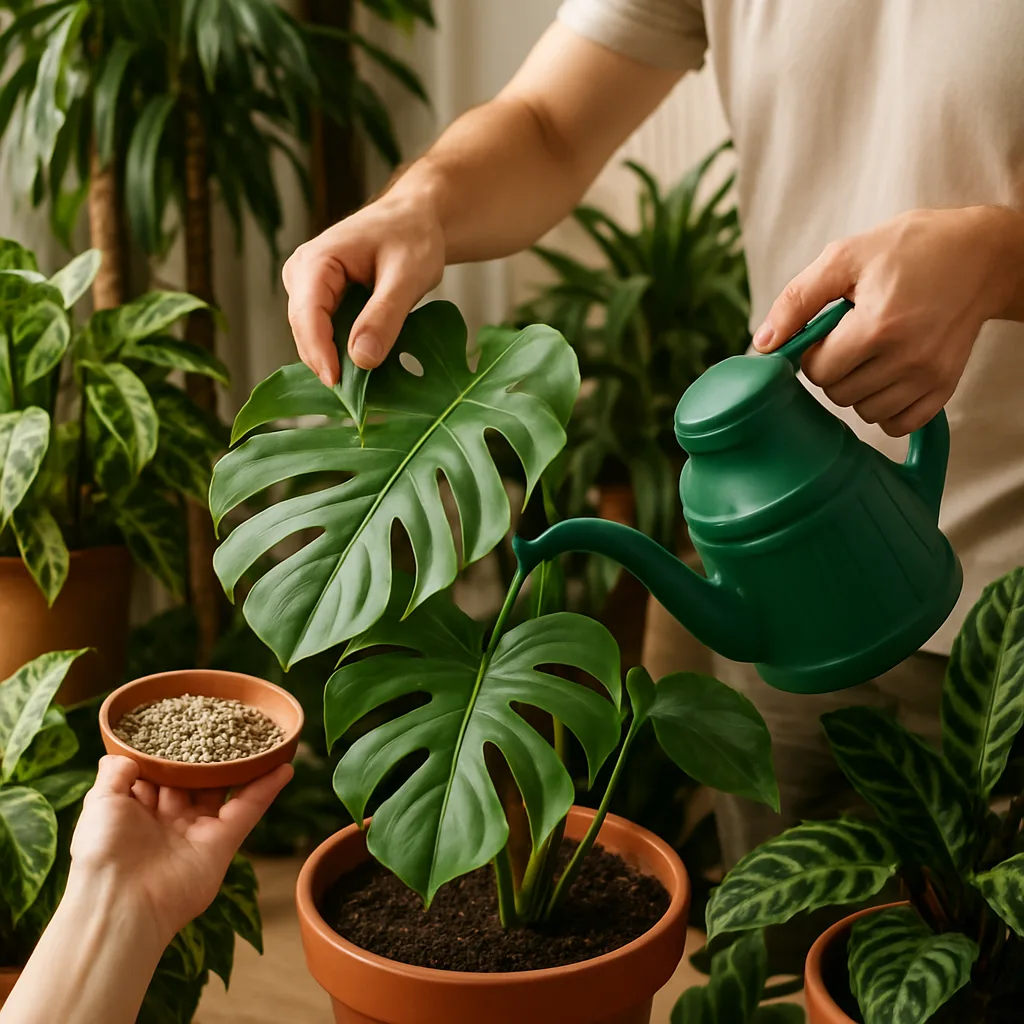
In recent years, indoor plants have gained immense popularity among homeowners and apartment dwellers alike. Whether you’re a seasoned plant enthusiast or a complete beginner, creating an indoor jungle not only enhances the aesthetic of your home but also improves air quality and overall well-being. However, achieving that lush, explosive growth doesn’t just happen overnight. One of the key components often overlooked is proper fertilization. Let’s dive into essential fertilizing tips to supercharge your indoor jungle, focusing on low-maintenance and beginner-friendly plants.
Understanding Plant Nutrient Needs
Before you start fertilizing, it’s important to understand the nutrient needs of your indoor plants. Generally, plants require macronutrients like nitrogen (N), phosphorus (P), and potassium (K), often referred to as the N-P-K ratio. Nitrogen supports leafy growth, phosphorus aids in root and flower development, and potassium strengthens overall plant health. Micronutrients like calcium, magnesium, and iron, though needed in smaller amounts, also play vital roles in plant development.
Choosing the Right Fertilizer
For low-maintenance and beginner plants, opting for a balanced, water-soluble fertilizer is often best. Look for a fertilizer with an equal N-P-K ratio, such as 10-10-10, which provides balanced nutrition. Liquid fertilizers are convenient for indoor plants, as they can be easily diluted and applied during routine watering.
Organic vs. Synthetic Fertilizers
Organic fertilizers, derived from natural sources like compost or worm castings, slowly release nutrients, reducing the risk of over-fertilization. Synthetic fertilizers, on the other hand, offer immediate nutrient availability but require careful application to avoid plant burn. As a beginner, you might find organic options more forgiving.
Frequency of Fertilization
The rule of thumb is to fertilize during the growing season, which typically spans spring through early fall. For low-maintenance plants like pothos or snake plants, fertilizing once a month is usually sufficient. Over-fertilizing can do more harm than good, leading to salt buildup and root burn. Always follow the recommended dosage on the fertilizer label.
Recognizing Fertilizer Burn
Fertilizer burn is a common mistake beginners make. Signs include browning or yellowing of leaves, stunted growth, or wilting. If you suspect fertilizer burn, mitigate the damage by flushing the soil with water to wash away excess fertilizer. Reducing the frequency and amount of fertilizer can prevent this issue in the future.
Best Practices for Watering and Fertilizing
Watering and fertilizing go hand-in-hand. Always water your plants before applying fertilizer to prevent root burn. Well-hydrated soil allows for better absorption of nutrients, ensuring your plants receive maximum benefit. Additionally, consider the water quality; using filtered or rainwater reduces the risk of mineral buildup that can interfere with nutrient uptake.
Seasonal Adjustments
Indoor plants typically enter a dormant phase during winter months. During this time, cut back on fertilization, as the plants’ nutrient needs are significantly reduced. Transitioning back to regular fertilization in the spring as new growth appears will prepare your plants for the active growing season.
Conclusion
Creating a thriving indoor jungle requires more than just selecting low-maintenance plants. Proper fertilizing is a crucial aspect of plant care that can significantly impact growth and vitality. By understanding your plants’ nutrient needs, choosing the right fertilizer, and adhering to a sensible fertilization schedule, you can ensure your indoor plants not only survive but thrive.
Remember, every plant is unique, and what works for one may not work for another. Be attentive to your plants’ responses to fertilization and adjust accordingly. With a bit of patience and care, your indoor space can transform into a lush haven of greenery, improving both your home environment and your mood. Happy planting!
Gardening Writer & Plant Enthusiast
Sarah Mitchell is a passionate gardening writer dedicated to helping people bring more nature into their homes. She loves exploring indoor plants, flowers, and sustainable gardening practices, sharing simple and practical tips that make plant care easier for everyone.