
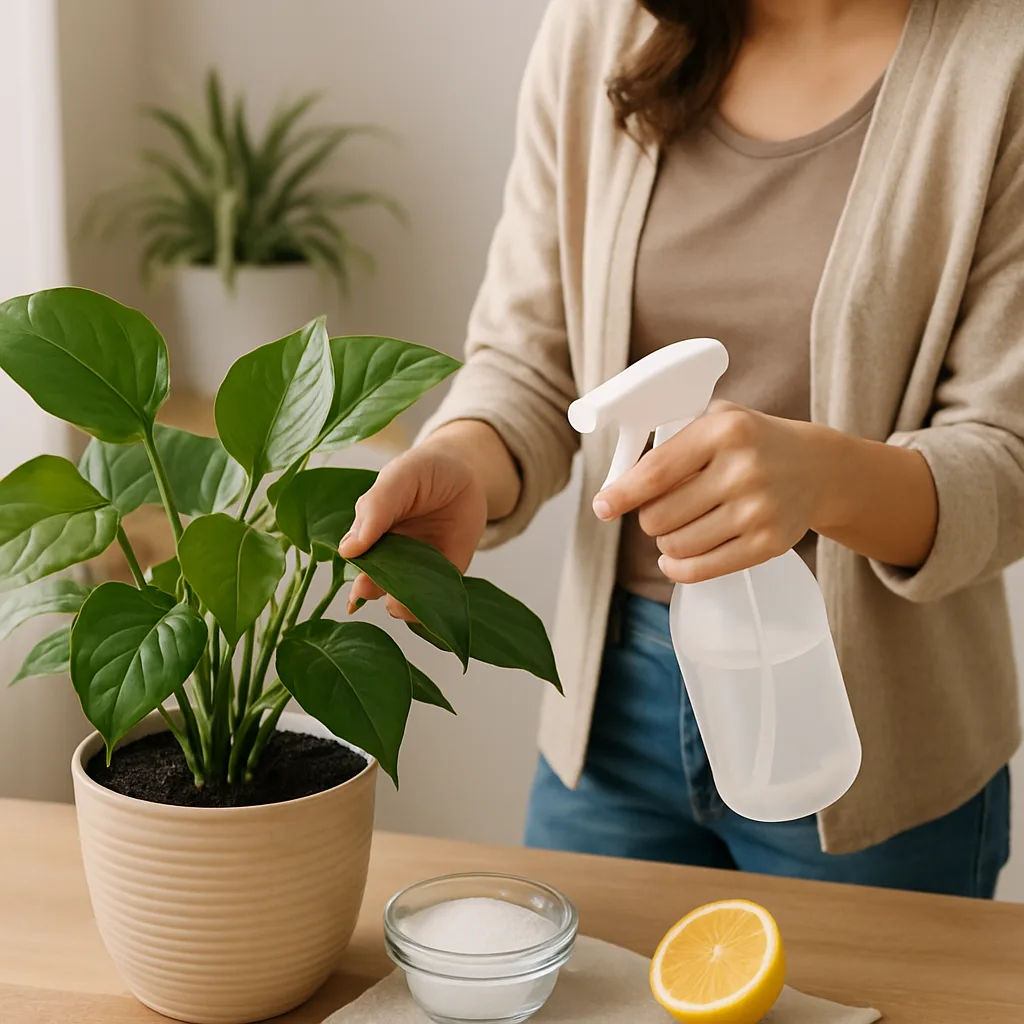
Keeping indoor plants healthy and bug-free can seem like an uphill battle, especially for those of us with busy schedules and little gardening experience. However, there are clever, natural methods to maintain your plant’s health without resorting to harsh chemicals. By integrating these ultimate pest control hacks into your routine, you’ll keep your indoor sanctuary vibrant and pest-free effortlessly.
Understanding Common Indoor Plant Pests
Before diving into solutions, it’s crucial to identify the common pests that might invade your indoor garden. The most prevalent ones include aphids, spider mites, and mealybugs. Each of these pests can wreak havoc on your plants, draining them of nutrients and leaving them vulnerable to diseases.
Aphids
Aphids are tiny, soft-bodied insects that often cluster on new growth. They suck the sap from plants, which can cause leaf curling and stunted growth. While they are not the easiest to spot, the sticky residue they leave behind is a telltale sign.
Spider Mites
Spider mites are tiny arachnids that thrive in warm, dry conditions. They are notorious for spinning fine webs on the undersides of leaves. If you notice your plants looking dusty or see webbing, it may be time to check for these pests.
Mealybugs
Mealybugs are small, white, cotton-like insects that often hide in the crevices of plants. They can lead to yellowing leaves and may cause the plant to drop leaves prematurely.
Natural Pest Control Hacks
Now that you can identify the culprits, let’s explore some effective, natural methods to keep them at bay.
Neem Oil
Neem oil is a powerful, natural insecticide that disrupts the life cycle of pests. Dilute it with water and spray it onto the leaves of your plants. This oil is safe for most indoor plants and can keep aphids and spider mites in check.
Soap and Water Solution
A simple solution of dish soap and water can work wonders on soft-bodied insects like aphids and mealybugs. Mix a few drops of mild dish soap in a spray bottle filled with water and mist your plants, ensuring you cover both the tops and bottoms of the leaves.
Introduce Beneficial Insects
If you’re open to a more biological approach, consider introducing beneficial insects like ladybugs or predatory mites into your indoor garden. These natural predators can control pest populations effectively.
Use Garlic Spray
Garlic spray is a natural repellent. Crush several cloves of garlic, steep them in water overnight, then strain the mixture and spray it onto your plants. It’s an excellent way to deter a variety of pests without harming the plant.
Preventing Future Infestations
Prevention is key to maintaining a bug-free indoor garden. Here are some tips to keep your plants healthy long-term:
Regular Inspections
Make it a habit to inspect your plants regularly. Catching pests early can prevent a full-blown infestation.
Maintain Humidity Levels
Spider mites, for instance, thrive in dry conditions. By maintaining adequate humidity levels, you can make your indoor environment less hospitable to these pests.
Quarantine New Plants
Before introducing new plants to your collection, keep them separated for a few weeks to ensure they aren’t carrying any unwelcome guests.
Conclusion
With a bit of knowledge and the right approach, keeping your indoor plants free from pests is both achievable and simple. Implementing these natural pest control hacks ensures your plants thrive while maintaining the health and safety of your home environment.
Remember, consistency is key. Regularly check your plants, maintain their ideal conditions, and use natural remedies when needed. This proactive approach not only keeps your plants healthy but also maximizes your enjoyment of indoor gardening. By nurturing your plants with these tips, you’re well on your way to creating a thriving, pest-free indoor oasis.

Gardening Writer & Plant Enthusiast
Sarah Mitchell is a passionate gardening writer dedicated to helping people bring more nature into their homes. She loves exploring indoor plants, flowers, and sustainable gardening practices, sharing simple and practical tips that make plant care easier for everyone.