
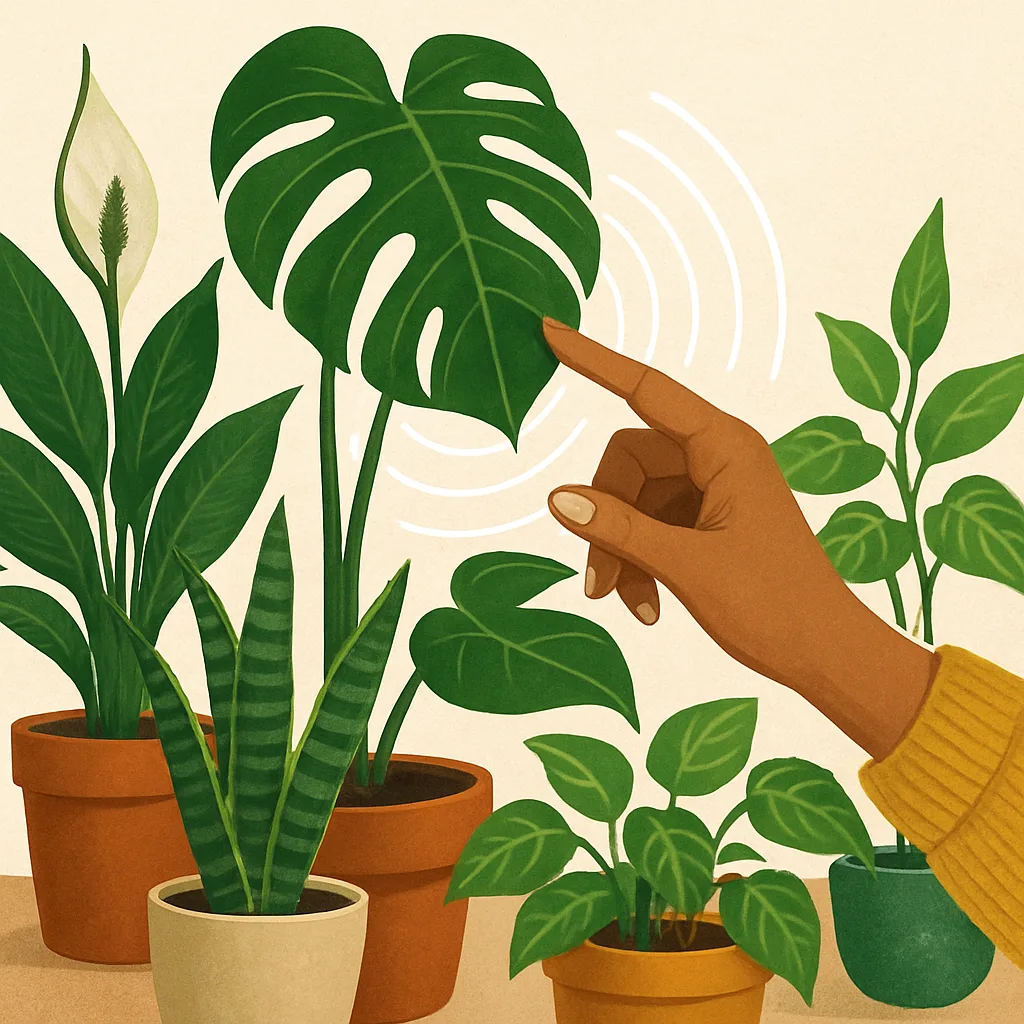
Houseplants have always fascinated me, not just because of their beauty and the life they bring into a room, but also because they hold secrets of survival and communication that we are just beginning to understand. One of the most intriguing aspects of houseplants is their ability to propagate, allowing us to multiply our favorite species and share them with others. Today, we’ll delve into the fascinating world of stem cuttings and explore just how these plants communicate and thrive in various environments.
The Secret Language of Plants
Before diving into propagation techniques, it’s essential to understand that plants are more communicative than we might think. Whether through chemical signals, root systems, or even their leaves, plants can indicate when they are stressed, happy, or in need of more light or water. Recognizing these signals is the first step in successful propagation.
Choosing the Right Method: Stem Cuttings
Stem cuttings are a popular method of propagation for many houseplants, especially for those like pothos, philodendron, and coleus. This method involves cutting a piece of the plant’s stem that includes at least one node, the part of the stem where leaves and roots can sprout. But as simple as it sounds, there are intricate details that can make or break your propagation success.
Identifying the Perfect Cutting
The first mistake I made when I started with stem cuttings was choosing a stem that was too young. It’s crucial to select a mature stem, typically about 4-6 inches long, with at least two to three leaves. The node is where the magic happens, so make sure it’s included in your cutting. Without it, your cutting has little chance of developing roots.
Understanding Rooting Conditions
Once you have your cutting, the next step is to provide the right conditions for it to take root. Many suggest water propagation for beginners as it allows you to see the roots as they develop. However, I found that soil propagation, although more challenging, often results in stronger root systems in the long run.
For soil propagation, select a well-draining potting mix. I usually mix perlite with regular potting soil to ensure adequate drainage. The cutting should be kept in a warm environment with indirect light. Direct sunlight can stress the cutting, causing it to wilt before it has a chance to root.
Patience and Observing Progress
One critical aspect is patience. In my experience, rooting can take anywhere from 2 to 8 weeks, depending on the plant species and environmental conditions. Initially, I was overly eager and disturbed my cuttings too frequently to check for roots, which only delayed the process.
Avoid the mistake of overwatering, which can lead to rot. Ensure the soil is moist but not waterlogged. A telltale sign of success is new growth emerging from the cutting. Conversely, if the leaves begin to yellow or fall off, it might be a sign that the cutting is not rooting successfully.
Overcoming Common Challenges
During propagation, several issues can arise, such as mold growth or leaf drop. These are often indicators of too much moisture or insufficient air circulation. Adjusting watering habits and ensuring the environment is not too humid can often resolve these issues.
Another challenge I’ve faced is transplant shock when moving a rooted cutting from water to soil. Gradual acclimatization, such as slowly introducing soil while reducing water levels, can ease this transition.
Conclusion
Propagating houseplants through stem cuttings can be a rewarding experience, allowing us to deepen our understanding of these silent yet expressive organisms. Each plant communicates its needs and challenges in subtle ways, and tuning into these signals can transform not just our propagation success but also our relationship with our green companions.
If I were to start again, I would embrace patience more fully and listen intently to the plants, allowing them to guide the process. Every plant and every environment is unique, and what works for one may not work for another. The joy is in the journey and the lessons learned along the way.
So, whether you’re a seasoned gardener or a curious beginner, remember that the secret language of plants is there for all of us to discover, and with the right approach, your houseplants can thrive and multiply in any setting.

Gardening Writer & Plant Enthusiast
Sarah Mitchell is a passionate gardening writer dedicated to helping people bring more nature into their homes. She loves exploring indoor plants, flowers, and sustainable gardening practices, sharing simple and practical tips that make plant care easier for everyone.