
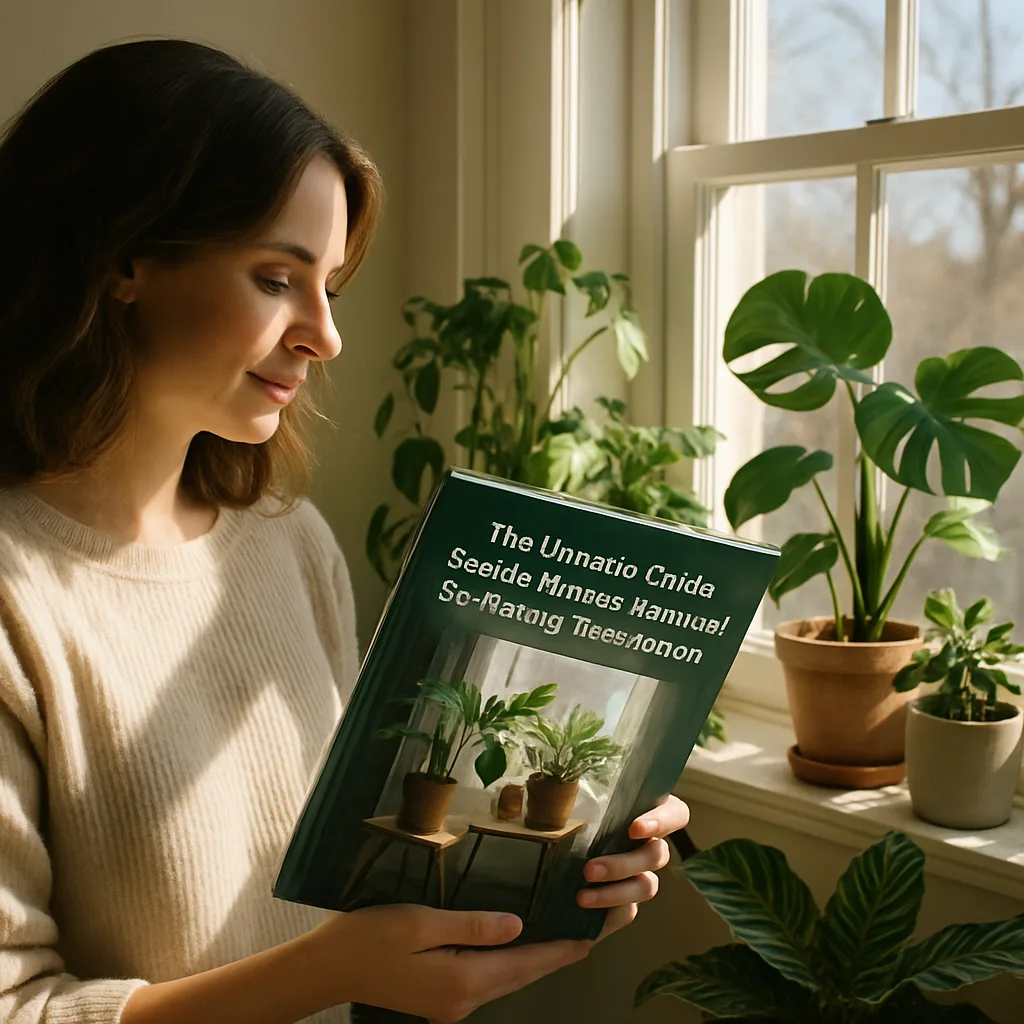
Houseplants bring life and vibrancy to our homes, but they can sometimes present challenges that puzzle even seasoned plant lovers. One such mystery involves the role of natural light in plant health and how the placement of your windows can significantly impact your leafy friends. In this guide, we’ll explore the art of perfect window placement to ensure your houseplants not only survive but thrive.
Understanding the Mystery of Natural Light
Many times, I’ve found myself staring at a plant, wondering why it seemed less vibrant than when I brought it home. One of the first things I consider is the light it’s receiving. Natural light is crucial for photosynthesis, the process by which plants convert light into energy. But not all light is created equal, and the placement of your windows can make a big difference.
The Role of Window Placement
Different windows receive varying amounts of light throughout the day. South-facing windows typically offer the most intense light, while north-facing windows provide the least. East and west-facing windows receive moderate light, with east windows being gentler as they capture the morning sun.
Identifying the Right Spot for Your Plant
To determine the best spot for your plant, observe how the light moves through your home. Pay attention to the direction your windows face and the time of day the sun hits them with full force. If your plant is developing yellowing leaves or becoming leggy, these might be signs of incorrect light exposure.
Common Problems and Their Causes
Yellowing leaves can often indicate too much direct sunlight, especially if they’re crispy around the edges. On the other hand, leggy growth, where the plant stretches towards the light, suggests insufficient light. Different plants have varying light needs, and understanding these can help you diagnose the issue.
Differentiating Between Excess and Lack of Light
Excess light often results in sunburned spots on leaves, while a lack of light results in slow growth and pale leaves. If you’re unsure, try moving your plant to a different spot for a week or two and observe any changes. I once moved my fiddle leaf fig from a north-facing window to an east-facing one, and it perked up significantly within days.
Steps to Correct the Problem
Adjusting the placement of your houseplants can address light-related issues effectively. Here’s a simple plan to help your plants recover:
- Assess Light Levels: Start by gauging how much light each of your windows receives throughout the day.
- Move Plants Gradually: If a plant shows signs of distress, shift it to a new spot gradually to avoid shock.
- Rotate Plants Regularly: Turning your plants can help them grow evenly and prevent them from leaning towards the light source.
- Supplement with Artificial Light: In areas with limited natural light, consider using grow lights to supplement.
Conclusion
Navigating the world of natural light and window placement can feel daunting, but it’s a rewarding journey when you see your plants thriving. Remember, the key is observation and experimentation. Don’t be afraid to move your plants and try different positions until you find the sweet spot.
In my experience, the joy of watching a once-struggling plant burst back to life is worth the effort. By understanding your home’s light patterns and adjusting accordingly, you’re not only solving an immediate problem but also building a harmonious environment where your houseplants can flourish. Keep observing, stay curious, and your green companions will thank you with their vibrant growth.

Gardening Writer & Plant Enthusiast
Sarah Mitchell is a passionate gardening writer dedicated to helping people bring more nature into their homes. She loves exploring indoor plants, flowers, and sustainable gardening practices, sharing simple and practical tips that make plant care easier for everyone.