
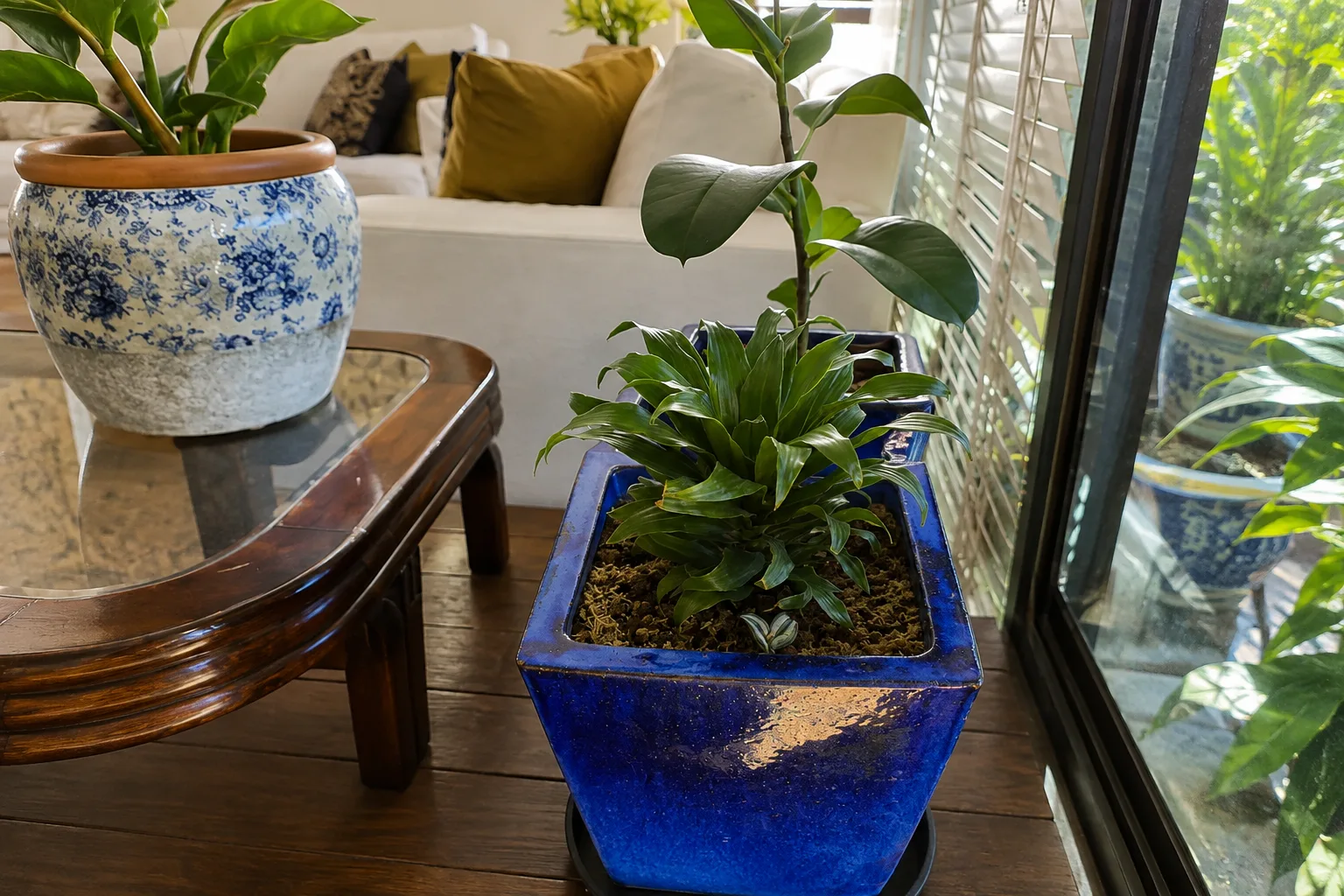
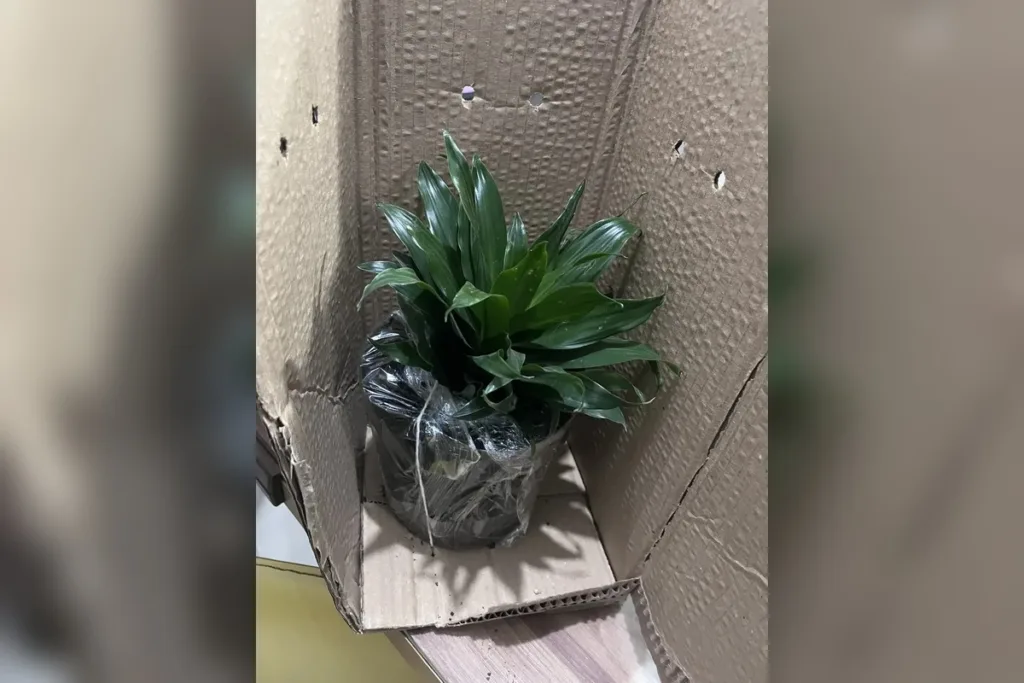
I’ve owned three different dracaenas at once for a few years now — a corn plant (Dracaena fragrans) in my living room, a dragon tree (Dracaena marginata) on my desk, and a smaller marginata I’ve been growing from a cutting. They’ve taught me that “easy care” doesn’t mean “no attention needed” — it means the plant is forgiving of a lot, but the one thing it’s genuinely picky about will bite you slowly rather than all at once. For me, that one thing was water quality, and it took me almost a year of persistent brown tips to actually connect the dots.
The Brown Tips I Blamed on Everything Except the Real Cause
My corn plant developed brown, crispy tips on its leaves within a few months of bringing it home, and I cycled through nearly every explanation before landing on the right one. I tried increasing humidity with a pebble tray, thinking dry air was the culprit — it helped slightly, but the browning kept appearing on new leaves regardless. I tried watering more consistently, worried I was underwatering, which didn’t change anything either.
It wasn’t until I read that dracaenas are sensitive to fluoride and certain salts commonly found in tap water that I actually tested the theory. I switched to filtered water, left out overnight so any chlorine could dissipate, and within a couple of months the new leaves were coming in noticeably cleaner, without the tips browning the way every previous leaf had. I still get occasional minor browning on the very oldest leaves, which I’ve come to treat as normal wear rather than a problem, but it stopped being the default for new growth.
Watering: The Balance That Took Practice
Between my three dracaenas, I’ve settled into a rhythm of letting the top inch or two of soil dry out completely before watering again, which in my apartment tends to be roughly every 1-2 weeks during spring and summer, and closer to every 3 weeks in winter when growth slows down. My corn plant, in a bigger pot with more soil volume, dries out noticeably slower than my smaller marginata cutting, which is a distinction I didn’t appreciate until I started watering both on the same schedule and ended up with soggy soil in the smaller pot.
Root rot is the risk I take most seriously with these plants now, mostly because of a close call with my corn plant during a stretch where I was watering too frequently without checking the soil first. A couple of lower leaves went yellow and the stem near the soil line felt slightly soft when I pressed it. I pulled it from the pot, found a few dark, mushy roots, trimmed them away, and repotted into fresh soil with better drainage. It recovered within about a month, but it was close enough that I now genuinely check the soil with my finger before watering any of the three, rather than going by a fixed schedule.
Light: More Tolerant Than I Expected, With Limits
My dragon tree sits on a desk that gets moderate, indirect light through a sheer curtain, and it’s done well there for over two years with steady, if not dramatic, growth. My corn plant spent several months in a genuinely dim corner of a hallway as an experiment in how much neglect it could handle, and while it survived without dying, new leaves came in smaller and less vibrant than the ones it had produced in brighter light. Moving it back to a spot with more indirect light brought the growth rate and leaf size back within a couple of months.
Where I have caused actual damage is direct sun — I left my marginata cutting on a windowsill that got some direct afternoon light for about a week, thinking it would appreciate the extra brightness, and came back to a couple of scorched, bleached patches on the leaves facing the window. Bright but indirect light has been the consistent sweet spot across all three plants.
Soil and Pot Choices That Actually Mattered
I use a well-draining potting mix amended with extra perlite for all three plants, and I’ve made a point of choosing pots that are only slightly larger than the existing root ball whenever I repot, after learning that an oversized pot holds onto more moisture than the roots can use, which was part of what contributed to that root rot scare with my corn plant. Terracotta has become my preferred material, mainly because I’ve noticed the soil in terracotta pots dries out more evenly compared to the plastic nursery pots I started with, which seemed to stay damp longer at the bottom even when the surface looked dry.
Fertilizing: A Schedule I Had to Dial Back
I started out fertilizing more aggressively than I needed to, using a full-strength liquid fertilizer every two weeks through spring and summer, thinking faster growth was automatically better. I noticed some leaf tip browning that looked slightly different from the fluoride-related browning — more of a scorched, crispy edge — and eventually connected it to fertilizer salt buildup rather than water quality. Diluting to half strength and cutting back to roughly once a month resolved it, and I stop fertilizing entirely from fall through winter now, when growth naturally slows regardless of feeding.
Pruning and Propagating
Pruning has become one of my favorite parts of dracaena care, mostly because it doubles as free propagation material. I cut stem sections with a few leaf nodes during spring or summer, place them in water, and change the water every few days. Roots typically show up within 4-6 weeks in my experience, sometimes longer for thicker marginata stems compared to the corn plant cuttings, which seem to root a bit faster.
My current desk marginata actually started as a cutting from the corn plant’s sibling at a friend’s house, given to me as a few inches of bare stem. It sat in a glass of water on my counter for almost six weeks before showing any roots at all, which felt discouraging at the time, but once it finally rooted it established quickly after being potted.
Signs I’ve Learned to Read Correctly Now
- Brown, crispy tips on new leaves specifically — for me, this consistently traced back to tap water quality rather than humidity or underwatering, once I actually tested filtered water against tap.
- Yellowing lower leaves combined with a soft stem base — the early warning sign of root rot that I caught just in time on my corn plant, prompting an immediate repot.
- Smaller, less vibrant new growth over several months — usually pointed to insufficient light in my experience, not a nutrient issue, even though that was my first assumption.
- Bleached or scorched patches on leaves facing a window — direct sun exposure, learned the hard way with my marginata cutting.
What I’d Do Differently Starting Over
If I were starting fresh with a new dracaena today, I’d switch to filtered water from day one instead of waiting almost a year of persistent brown tips to figure out the cause, and I’d check the soil with a finger before every watering rather than trusting a fixed schedule. Those two habits alone would have prevented most of the actual problems I’ve run into across all three plants.
Frequently Asked Questions
Why does my dracaena have brown leaf tips? In my experience, this was almost entirely caused by fluoride and salts in tap water, along with occasional fertilizer salt buildup when I over-fertilized. Switching to filtered water and diluting fertilizer more made a clear difference.
How often should I water a dracaena? I water mine roughly every 1-2 weeks in the growing season and about every 3 weeks in winter, but checking that the top inch or two of soil is dry has been far more reliable for me than sticking to a fixed calendar.
Can dracaena survive in low light? Yes, mine did for several months in a dim hallway corner, but new growth came in smaller and less vibrant compared to when I moved it to brighter, indirect light.
How do I know if my dracaena has root rot? Based on my own close call, look for yellowing lower leaves combined with a stem that feels soft near the soil line. I trimmed away the dark, mushy roots and repotted into fresh, well-draining soil, and it recovered within about a month.

Gardening Writer & Plant Enthusiast
Sarah Mitchell is a passionate gardening writer dedicated to helping people bring more nature into their homes. She loves exploring indoor plants, flowers, and sustainable gardening practices, sharing simple and practical tips that make plant care easier for everyone.