
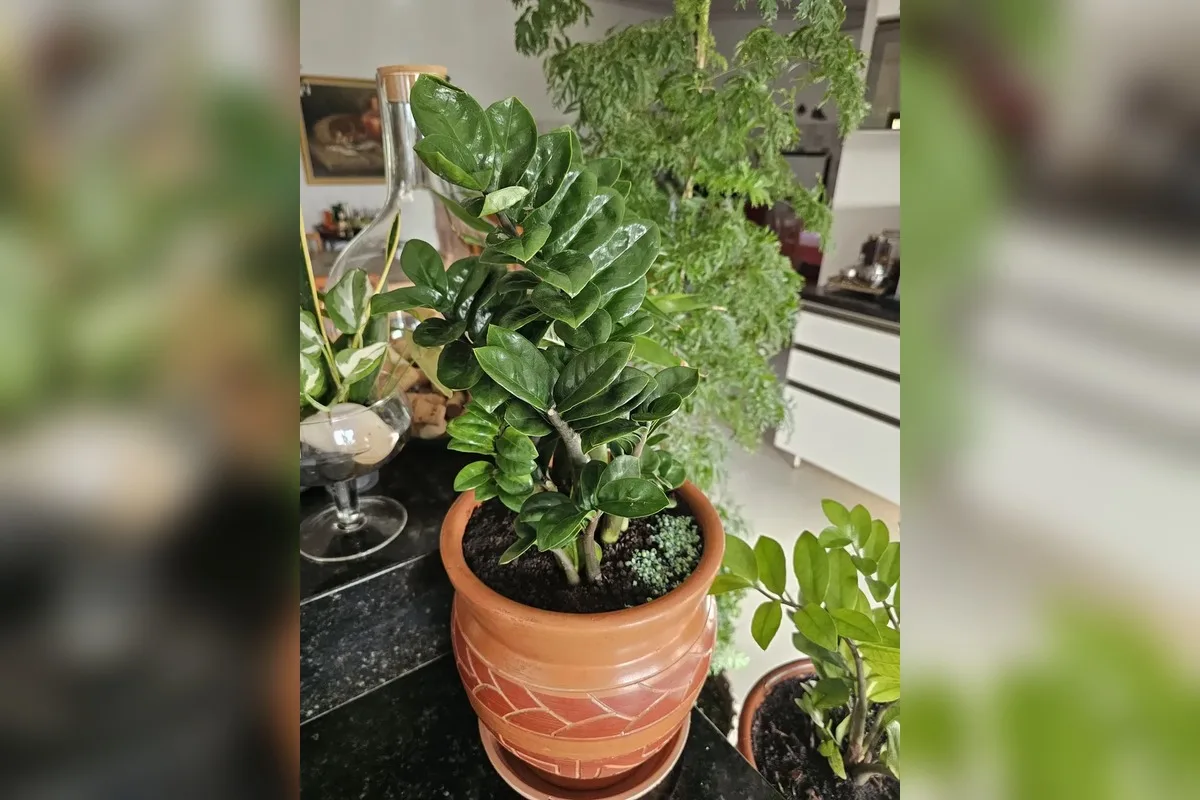
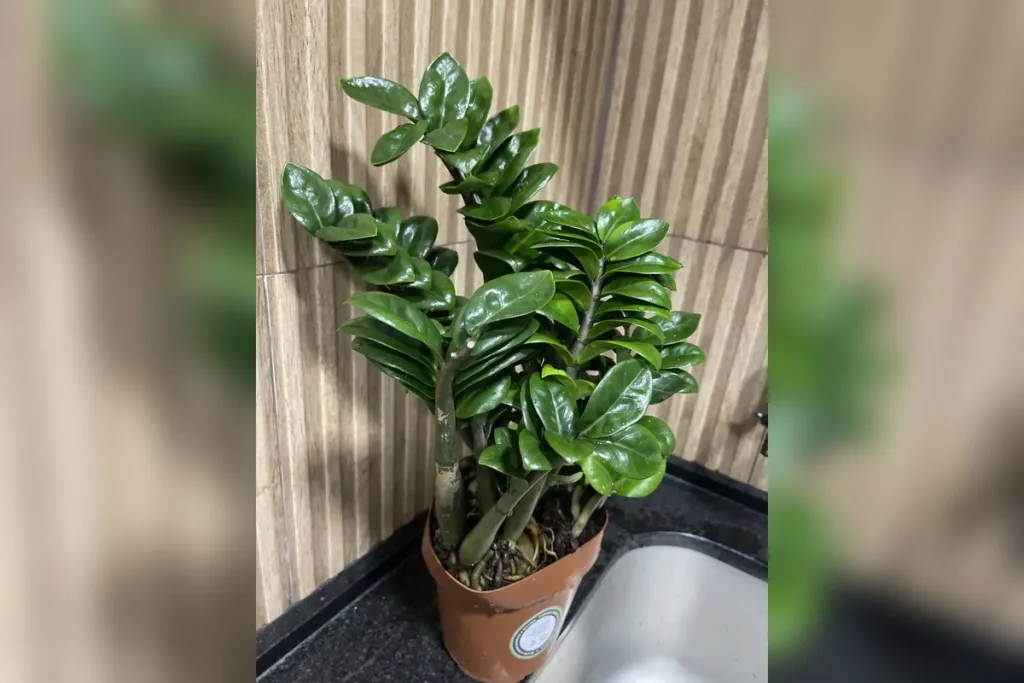
My ZZ plant is the only houseplant I’ve ever hurt through kindness rather than neglect. I bought it specifically because I’d heard it was nearly indestructible, and I treated that reputation as an invitation to water it on the same weekly schedule as my more thirsty plants. Within about two months, the base of one stem had gone soft and a couple of leaves had yellowed and dropped. It turns out the ZZ plant’s toughness comes with one very specific catch, and I learned it the hard way.
The Watering Instinct I Had to Unlearn
Coming from plants that wanted regular, predictable watering, treating a ZZ plant the same way was my first real mistake. This plant stores water in a thick, potato-like rhizome underground, which is exactly why it tolerates drought so well — and exactly why consistent moisture on top of that reserve overwhelms it fast. I now let the soil dry out completely, checking a couple of inches down with my finger, before watering again, which in my apartment ends up being roughly every 3-4 weeks in the growing season and closer to once every 6 weeks in winter.
The stem that went soft on me recovered, barely, after I pulled the plant, trimmed away a section of rhizome that had gone mushy and dark, and repotted into fresh, well-draining soil while cutting my watering frequency down dramatically. It was close enough that I now actively resist the urge to water on any kind of set schedule and just check the soil instead.
Light: More Flexible Than Almost Anything Else I Own
I’ve kept ZZ plants in three very different light situations at this point, and the differences have been informative rather than dramatic. My original plant sits in a genuinely low-light corner of my bedroom that gets no direct sun at all, and it’s alive and healthy, just slow — I’d guess it’s put out maybe four or five new stems in two years. A second one I keep on a brighter shelf that gets indirect light most of the day has grown noticeably faster and the leaves have a more pronounced glossy shine to them.
The one place I’ve actually damaged a ZZ plant with light was a brief stretch where I moved a smaller one to a spot that got a couple of hours of direct afternoon sun, thinking it could handle anything given its reputation. A few leaves developed pale, scorched patches within about a week. It recovered once I moved it back to indirect light, but it was a clear reminder that “tolerant of low light” doesn’t mean “immune to too much light.”
Fertilizing: Where I Overcorrected
After the overwatering scare, I got cautious about everything with this plant, including fertilizer, and went almost a full year without feeding it at all. Growth was noticeably slower than my second plant, which I had been fertilizing lightly. Once I started feeding the underfed one with a balanced liquid fertilizer diluted to half strength, roughly every couple of months during spring and summer, new growth picked up within about six weeks.
I’ve also seen what over-fertilizing looks like on this plant, from an early mistake where I fed it too frequently out of impatience — a slightly crusty white residue built up on the soil surface, and a couple of leaf tips looked mildly scorched. Flushing the soil thoroughly with water and backing off the fertilizing schedule resolved both issues within a few weeks.
Propagating: The Method That Actually Worked for Me
I’ve tried both stem cuttings and single leaf cuttings, and the results were different enough that I think it’s worth being honest about. Stem cuttings, including a section of stem with a few leaves attached, rooted for me within about 6-8 weeks when placed in a well-draining mix, and went on to develop into recognizable small plants relatively quickly after that.
Single leaf cuttings, just individual leaflets stuck into soil, technically worked, but it took nearly four months before I saw any root development at all, and even longer before anything resembling new growth appeared above the soil. If you’re propagating for the first time and want to actually see results within a reasonable window, I’d recommend stem cuttings over single leaves based on my own side-by-side experience.
Whichever method I’ve used, propagating during spring gave noticeably faster results than a batch I started in late fall out of impatience, which sat dormant for months before showing any progress at all.
Repotting: Less Frequent Than I Expected
My oldest ZZ plant has only been repotted once in about four years, which surprised me coming from faster-growing plants that need repotting every year or two. I finally repotted it after noticing roots emerging from the drainage hole and the plant looking distinctly top-heavy, tipping slightly in its pot whenever I moved it.
I moved it up just one pot size, since I’d read that too much extra soil volume around the rhizome holds more moisture than the plant wants, and given my earlier overwatering scare, I wasn’t taking any chances with that advice. It settled in within a few weeks with no visible stress, which was a relief after how dramatically it had reacted to overwatering previously.
Pests: A Rare but Real Issue
I’ve only dealt with pests on a ZZ plant once, a mild case of spider mites that showed up during a dry winter stretch, noticed first as a faint stippling on a couple of leaves rather than obvious webbing. Increasing humidity slightly and treating with diluted neem oil over a couple of weeks cleared it up without much drama, which fits with this plant’s overall reputation for being fairly pest-resistant compared to some of my more sensitive houseplants.
Signs I Now Take Seriously
- A soft, mushy feeling at the base of a stem — my earliest and most reliable warning sign of overwatering-related rot, learned directly from my own close call.
- Yellow leaves combined with slow, sluggish new growth — in my case, this pointed to overwatering rather than a nutrient issue, even though nutrient deficiency was my first guess.
- Pale or scorched patches on leaves after a light change — this plant handles low light far better than it handles a sudden jump into direct sun, based on what happened when I moved one too close to a window.
- A crusty white residue on the soil surface — fertilizer salt buildup, in my experience, resolved by flushing the soil and easing off the feeding schedule.
What I’d Tell Someone Buying Their First ZZ Plant
The reputation for being nearly indestructible is mostly earned, but it hinges entirely on resisting the urge to water it like a normal houseplant. If I’d trusted my instinct to water less right from the start, instead of assuming “low-maintenance” meant “treat it like everything else,” I’d have skipped the one real scare I’ve had with this plant entirely.
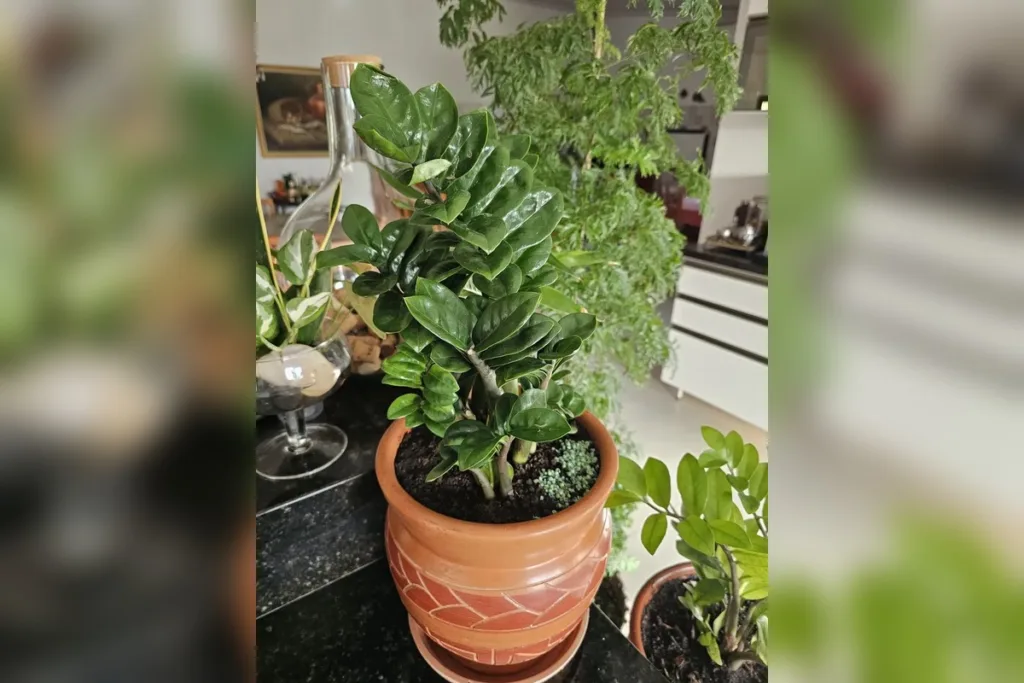
Frequently Asked Questions
How often should I water a ZZ plant? Based on my own routine, roughly every 3-4 weeks in the growing season and closer to every 6 weeks in winter, always checking that the soil is fully dry a couple of inches down before watering again.
Why are my ZZ plant’s leaves turning yellow? In my experience, this has consistently pointed to overwatering. Once I let the soil dry out fully between waterings, yellowing stopped and new growth picked back up.
Can a ZZ plant survive in low light? Yes, one of mine has lived in a genuinely low-light corner for two years and remains healthy, just noticeably slower-growing than my plant in brighter indirect light.
Which propagation method works fastest for ZZ plants? Stem cuttings, in my experience, rooted within 6-8 weeks, while single leaf cuttings took closer to four months before showing any root development at all.

Gardening Writer & Plant Enthusiast
Sarah Mitchell is a passionate gardening writer dedicated to helping people bring more nature into their homes. She loves exploring indoor plants, flowers, and sustainable gardening practices, sharing simple and practical tips that make plant care easier for everyone.