
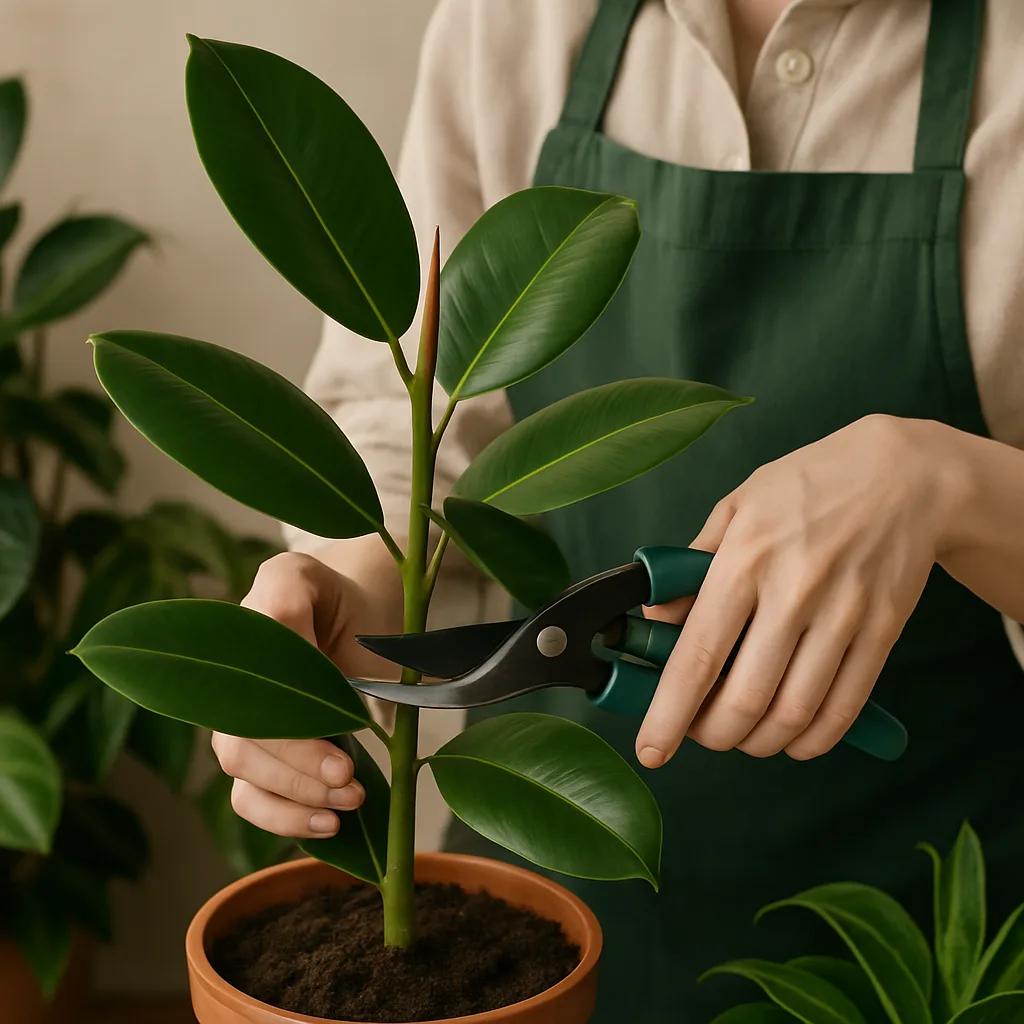
Unlock the Secret to Plant Perfection: Proven Pruning Techniques for Stunning, Healthy Houseplants!
There’s nothing quite like the charm of a thriving houseplant adding a touch of nature to your indoor space. However, achieving plant perfection doesn’t happen by accident; it requires a bit of knowledge and care. One critical yet often overlooked aspect of plant care is pruning. Let’s dive into the world of pruning and discover how this practice can lead to stunning, healthy houseplants.
Understanding the Importance of Pruning
Pruning is more than just a cosmetic fix. It’s essential for the overall health and vitality of your indoor plants. By removing dead or diseased parts, pruning encourages new growth, improves airflow, and helps maintain the shape of the plant. But not all plants require the same pruning techniques, and that’s where things can get tricky.
Signs Your Plant Needs Pruning
So, how do you know when it’s time to prune? Look for signs like yellowing leaves, leggy growth, and an overall lack of vigor. These can indicate that your plant is in need of some attention. It’s important to distinguish these signs from common issues like overwatering or underfeeding, which might require different solutions altogether.
Common Pruning Techniques
Pinching
Pinching is ideal for plants like herbs and vining species. Simply use your fingers to pinch off the growing tips of the plant. This encourages bushier growth and prevents the plant from becoming too tall and leggy.
Deadheading
This technique is particularly useful for flowering houseplants. Remove spent blooms to redirect the plant’s energy towards producing new flowers, rather than seed production.
Thinning
Thinning involves removing excess growth to improve air circulation and light penetration. This is crucial for preventing fungal diseases and ensuring that all parts of the plant receive adequate light.
When and How to Prune
The timing of your pruning efforts can significantly impact their effectiveness. Generally, it’s best to prune in the spring or early summer when plants are actively growing. Use clean, sharp tools to make precise cuts, and always cut just above a leaf node to encourage new growth. Avoid pruning during the plant’s dormant period as this can stress the plant unnecessarily.
Pruning Mistakes to Avoid
During my early days of plant care, I made the mistake of over-pruning my fiddle leaf fig. I removed too many leaves at once, thinking it would promote more robust growth. Unfortunately, this stressed the plant, leading to leaf drop and stunted growth. It taught me the importance of moderation and how crucial it is to leave enough foliage for photosynthesis.
What to Do After Pruning
Once you’ve pruned your plant, monitor it closely for signs of stress. Ensure it receives proper light and water, but avoid fertilizing immediately after pruning, as this can lead to over-stimulation. Give your plant time to adjust before introducing any additional changes to its care routine.
Conclusion
Pruning is a powerful tool in your plant care arsenal that can transform your indoor garden. By understanding and applying the right pruning techniques, you can ensure your houseplants not only survive but thrive. Remember, each plant may have unique needs, so take the time to observe and understand your plants before making the first cut.
As with any learning process, trial and error will be part of the journey. However, with patience and practice, you’ll soon master the art of pruning and unlock the secret to plant perfection. Keep experimenting, stay curious, and don’t be afraid to make mistakes. After all, every cut brings you one step closer to becoming a plant care pro!

Gardening Writer & Plant Enthusiast
Sarah Mitchell is a passionate gardening writer dedicated to helping people bring more nature into their homes. She loves exploring indoor plants, flowers, and sustainable gardening practices, sharing simple and practical tips that make plant care easier for everyone.