
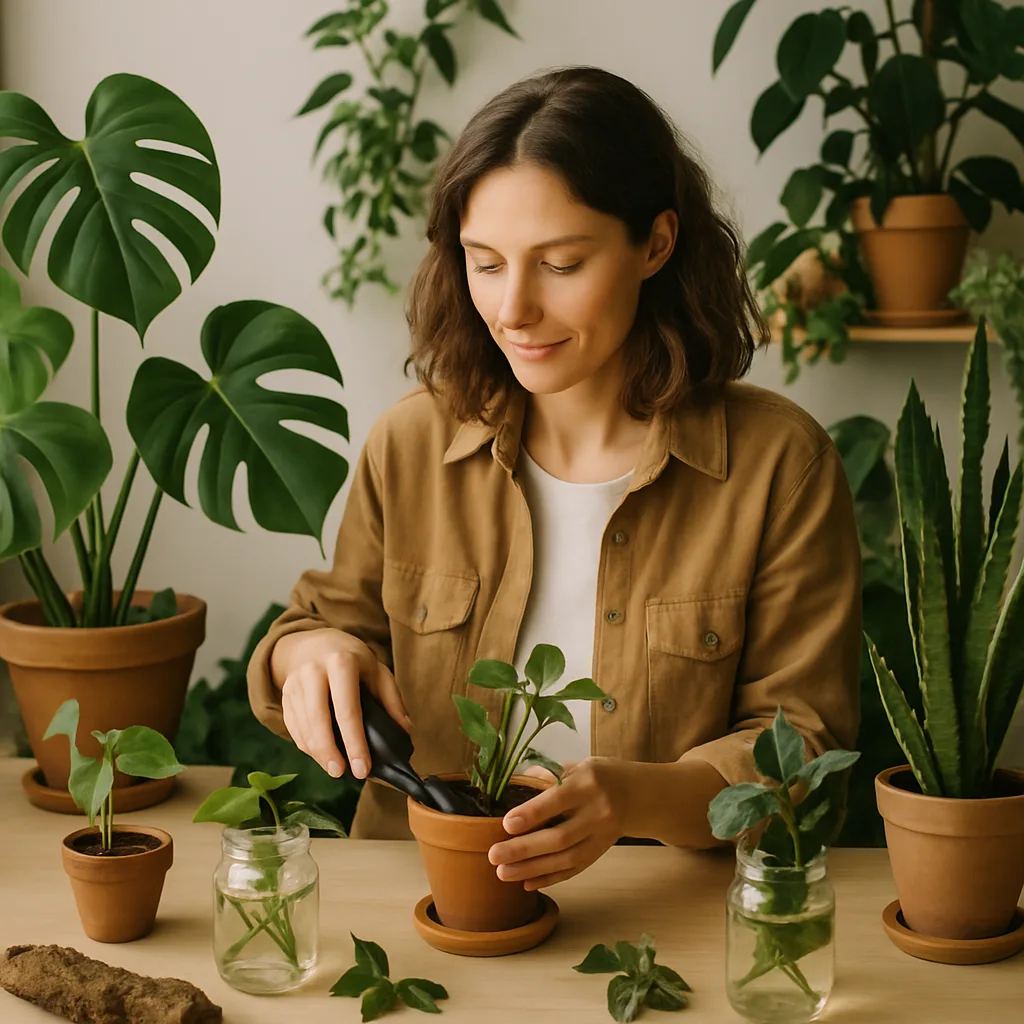
There’s something incredibly satisfying about growing your indoor jungle. Watching new leaves unfurl and seeing your plants thrive brings a sense of accomplishment and joy. But what if I told you that you can expand your collection without spending a dime? The secret lies in the art of plant propagation. In this article, I’ll share insights into how you can effortlessly grow your indoor plant family using simple propagation techniques.
Understanding Plant Propagation
Plant propagation is the process of creating new plants from a variety of sources: seeds, cuttings, or other plant parts. It’s a natural and cost-effective way to expand your collection. Plus, it allows you to share your favorite plants with friends or even rescue those that are on the brink of decline.
Why Propagate?
Propagation offers multiple benefits. First, it helps you multiply your favorite plants without having to purchase new ones. Second, it can help rejuvenate struggling plants by allowing them to focus energy on new growth. Lastly, it provides a fun and educational activity that connects you with nature.
Methods of Propagation
Stem Cuttings
One of the most common methods is taking stem cuttings. This works well with plants like pothos, philodendrons, and succulents. Simply cut a healthy stem below a node, remove lower leaves, and place it in water or soil. In a few weeks, roots will develop, and you’ll have a new plant ready to pot!
Leaf Cuttings
Plants like African violets and snake plants can be propagated through leaf cuttings. For example, with a snake plant, cut a leaf into sections, place them in soil, and watch new shoots emerge. Just ensure they remain moist but not soggy, as this can lead to rot.
Division
Some plants, such as ferns and peace lilies, grow in clusters and can be divided. Gently remove the plant from its pot, separate the roots, and replant the sections into new pots. This method not only creates new plants but also helps the original plant regain vigor.
Common Propagation Challenges
Overwatering
One mistake I made initially was overwatering newly propagated plants. This often led to root rot. It’s crucial to understand that while some moisture is needed, too much can drown the developing roots. I learned to let the top inch of soil dry out before watering again.
Insufficient Light
Another common issue is inadequate light. Young plants require more light to grow strong. Position your propagating plants near a bright window, but avoid direct sunlight that can scorch them. Supplemental light from grow lamps can also be beneficial during the shorter days of winter.
Poor Air Circulation
Initially, I placed my cuttings too close together, which restricted airflow and led to mold issues. Ensuring good air circulation around cuttings prevents mold and encourages healthy growth. Space them adequately and consider using a small fan if needed.
Signs of Successful Propagation
It’s rewarding to see your efforts pay off. Look for signs such as the appearance of new roots, fresh leaves, and overall growth. Be patient; some plants take longer to establish than others. For instance, succulents may take several weeks to form roots, while pothos might show new growth within a week or two.
Conclusion
Propagating plants is a delightful way to enhance your indoor jungle. Not only do you get to expand your collection without spending extra money, but you also gain a deeper understanding of plant care and development. Through trial and error, I’ve learned the nuances of propagation—overcoming challenges like overwatering and poor light conditions.
If you’re just starting out, remember that failure is part of the learning process. Each attempt teaches you more about the plants you love. As you become more confident, you’ll find yourself with an abundant and diverse indoor jungle, all propagated by your own hands. So, grab those scissors and start experimenting. Your next successful plant propagation might just be a snip away.
Gardening Writer & Plant Enthusiast
Sarah Mitchell is a passionate gardening writer dedicated to helping people bring more nature into their homes. She loves exploring indoor plants, flowers, and sustainable gardening practices, sharing simple and practical tips that make plant care easier for everyone.