
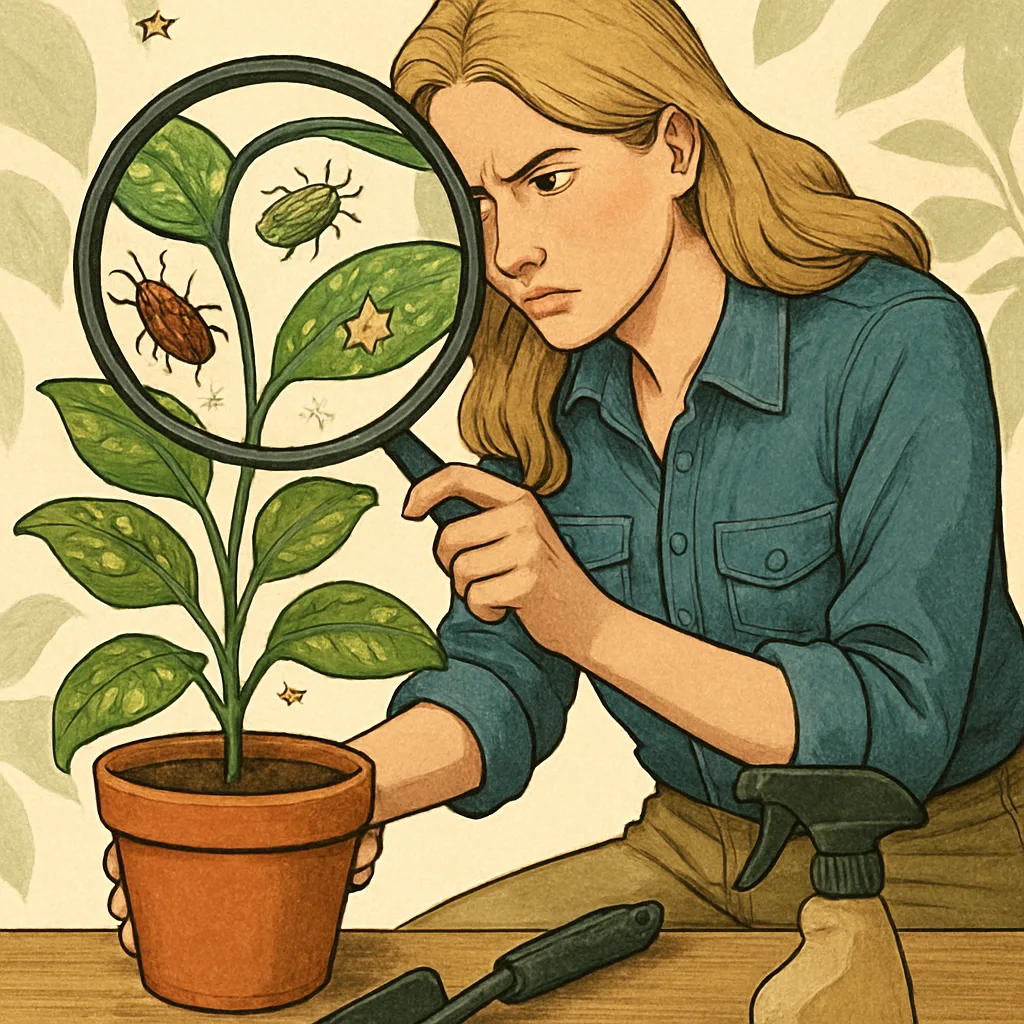
Houseplants bring an undeniable charm to our living spaces, transforming them into lush, vibrant sanctuaries. However, ensuring their health involves more than just watering and the occasional pruning. Light plays a pivotal role in their well-being, and understanding how to manipulate indoor lighting conditions can mean the difference between thriving plants and lifeless leaves. Today, we delve into an often-overlooked aspect of plant care: the nuances of indoor lighting and how adjusting these conditions can protect your houseplants from invisible invaders—those pesky pests that often hitch a ride on stressed or weakened plants.
Understanding the Role of Light in Plant Health
Light is more than just a source of energy for plants; it’s a key factor in their ability to photosynthesize, grow, and fend off pests. When I first started my indoor plant journey, I often blamed overwatering or nutrient issues for failing plants. It wasn’t until I realized the importance of light that things began to improve. I discovered that inadequate lighting can stress plants, making them susceptible to pests like spider mites and aphids.
The Intricacies of Indoor Lighting
Not all light is created equal. Different plants have varying light requirements, and it’s essential to align these needs with the lighting conditions in your home. Let’s explore key aspects:
Natural Light: Direct vs. Indirect
Many assume that placing plants near a window ensures sufficient sunlight. However, not all plants thrive in direct sunlight. For instance, ferns prefer indirect light and can scald in direct rays. Initially, I positioned my Boston fern directly on a west-facing windowsill, which resulted in browning fronds. Relocating it to a spot where it received filtered light through a sheer curtain made all the difference.
Window Orientation and Distance
The direction your windows face significantly impacts the amount and intensity of light they provide. South-facing windows offer the most consistent light throughout the day, ideal for succulents and cacti. On the other hand, east-facing windows provide gentle morning light, suitable for peace lilies or pothos. I once moved a snake plant a mere meter away from a south-facing window, and the difference in its growth rate was astonishing—highlighting just how crucial positioning can be.
Supplementing with Grow Lights
For spaces with limited natural light, grow lights are invaluable. They offer flexibility, allowing you to provide adequate light for photosynthesis regardless of the room’s natural light conditions. Choosing the right grow light—whether it’s LED, fluorescent, or incandescent—depends on your plant’s needs and the room size. A mistake I made was using an incandescent bulb for a pothos, which resulted in scorched leaves due to excessive heat. Switching to an LED light, positioned about 30 centimeters away, yielded healthier growth.
Duration and Intensity
Plants also require a specific duration of light exposure. Most houseplants benefit from 12 to 16 hours of light daily. I used a programmable timer to automate this process, ensuring consistency even when I was away. The intensity of the light is equally important; too much intensity can be just as harmful as inadequate light.
Seasonal Changes and Adjustments
Seasonal changes can alter the natural light available in your home. During winter, shorter days might necessitate supplemental lighting. Conversely, in summer, plants might require shielding from intense midday sun. I learned this the hard way when my monstera developed sunburnt leaves during a particularly bright summer month, prompting me to move it further from the window and add a sheer curtain for protection.
Signs Your Plant’s Light Needs Aren’t Being Met
Understanding the signs of insufficient or excessive light is crucial. Yellowing leaves, slow growth, or plants leaning towards a light source are telltale signs of inadequate light. Conversely, scorched leaf edges indicate too much direct sunlight. Regularly observing your plants can help you adjust lighting conditions appropriately to prevent pest infestations that often exploit weakened plants.
Conclusion
Mastering the art of indoor lighting not only enhances plant growth but also fortifies them against pests. It’s an ongoing learning process—one that involves observing, adjusting, and sometimes experimenting. While my journey with houseplants has seen its fair share of missteps and surprises, understanding the interplay of light has been a game-changer.
Ultimately, creating the perfect lighting environment tailored to your plants’ needs ensures they thrive and remain pest-free, turning your home into the green oasis you envision. Keep experimenting and observing, for each plant has its unique story and requirements. Remember, healthy plants are the best defense against those invisible invaders lurking in the shadows!
Gardening Writer & Plant Enthusiast
Sarah Mitchell is a passionate gardening writer dedicated to helping people bring more nature into their homes. She loves exploring indoor plants, flowers, and sustainable gardening practices, sharing simple and practical tips that make plant care easier for everyone.