
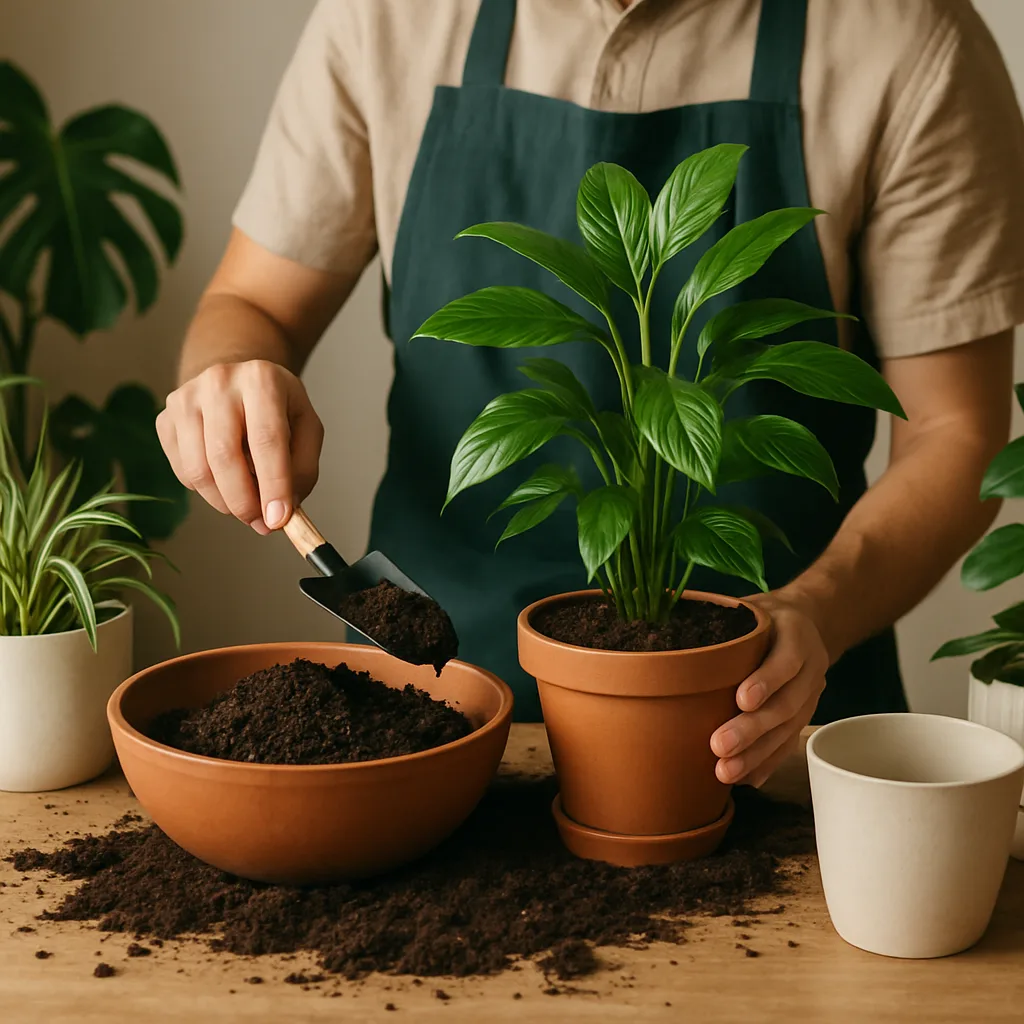
As an indoor plant enthusiast, I’ve spent countless hours experimenting with different propagation techniques. One of the most fascinating discoveries I’ve made is the impact of potting soil on the growth of new plants. Mastering the art of potting soil can significantly enhance your success rate when propagating plants. In this article, I’ll share my personal experiences, successes, and failures in using soil propagation, specifically focusing on the often underestimated importance of potting soil.
The Importance of Potting Soil in Propagation
When I first began propagating indoor plants, I believed that any soil would suffice. However, I quickly learned that the right potting mix can make a significant difference. A well-chosen potting soil provides the necessary support, aeration, and nutrition for cuttings to develop roots and thrive. Without these key components, your efforts might end up in disappointment.
Choosing the Right Potting Soil
Over the years, I experimented with various types of soil, ranging from garden soil to commercial potting mixes. I found that a light, well-draining mix is crucial for rooting success. A soil blend containing perlite or vermiculite, combined with peat or coconut coir, often works best for most indoor plants. This combination provides adequate moisture retention while ensuring proper aeration, preventing root rot and fungal issues.
My Experience with Stem Cuttings
One of the most rewarding propagation methods I’ve tried is using stem cuttings. I remember taking a 4-inch cutting from my pothos plant, removing the lower leaves, and dipping the cut end in rooting hormone. I then placed it about 2 inches deep into a pot filled with my custom soil mix. Initially, I made the mistake of using soil that was too dense, which suffocated the cutting and led to rot. Learning from this, I switched to a lighter mix and noticed a remarkable increase in root development.
Monitoring Conditions for Success
Maintaining the right conditions is essential for successful propagation. After planting the cutting, I covered it with a plastic bag to create a mini greenhouse effect, maintaining humidity. I placed the pot in a warm spot with indirect sunlight. Consistent moisture is vital, but overwatering can be detrimental. I watered only when the top inch of soil felt dry, which helped prevent waterlogging.
Signs of Successful Rooting
After about three weeks, I gently tugged on the cutting and felt resistance, indicating root formation. New leaf growth is another positive sign. However, patience is key, as some cuttings may take longer, depending on the plant species and environmental conditions.
Common Mistakes and How to Avoid Them
Through trial and error, I’ve identified several common mistakes. Using the wrong type of soil, as I initially did, is a frequent error. It’s also easy to overwater or underwater cuttings, disrupting their growth. Additionally, insufficient light can hinder root development. To avoid these pitfalls, always research the specific needs of the plant you’re propagating and adjust your care routine accordingly.
Conclusion
Mastering the art of potting soil is a game-changer for anyone interested in propagating indoor plants. The right soil mix can significantly enhance the growth and vitality of your new plants. By sharing my personal journey with soil propagation, I hope to inspire and guide you in your own propagation endeavors.
Reflecting on my experiences, I would emphasize the importance of experimenting and observing what works best for your specific plants and environment. Don’t be discouraged by initial failures; instead, use them as valuable learning opportunities. With patience and attention to detail, you’ll soon uncover the secret to vibrant indoor plants through successful soil propagation.
Gardening Writer & Plant Enthusiast
Sarah Mitchell is a passionate gardening writer dedicated to helping people bring more nature into their homes. She loves exploring indoor plants, flowers, and sustainable gardening practices, sharing simple and practical tips that make plant care easier for everyone.