
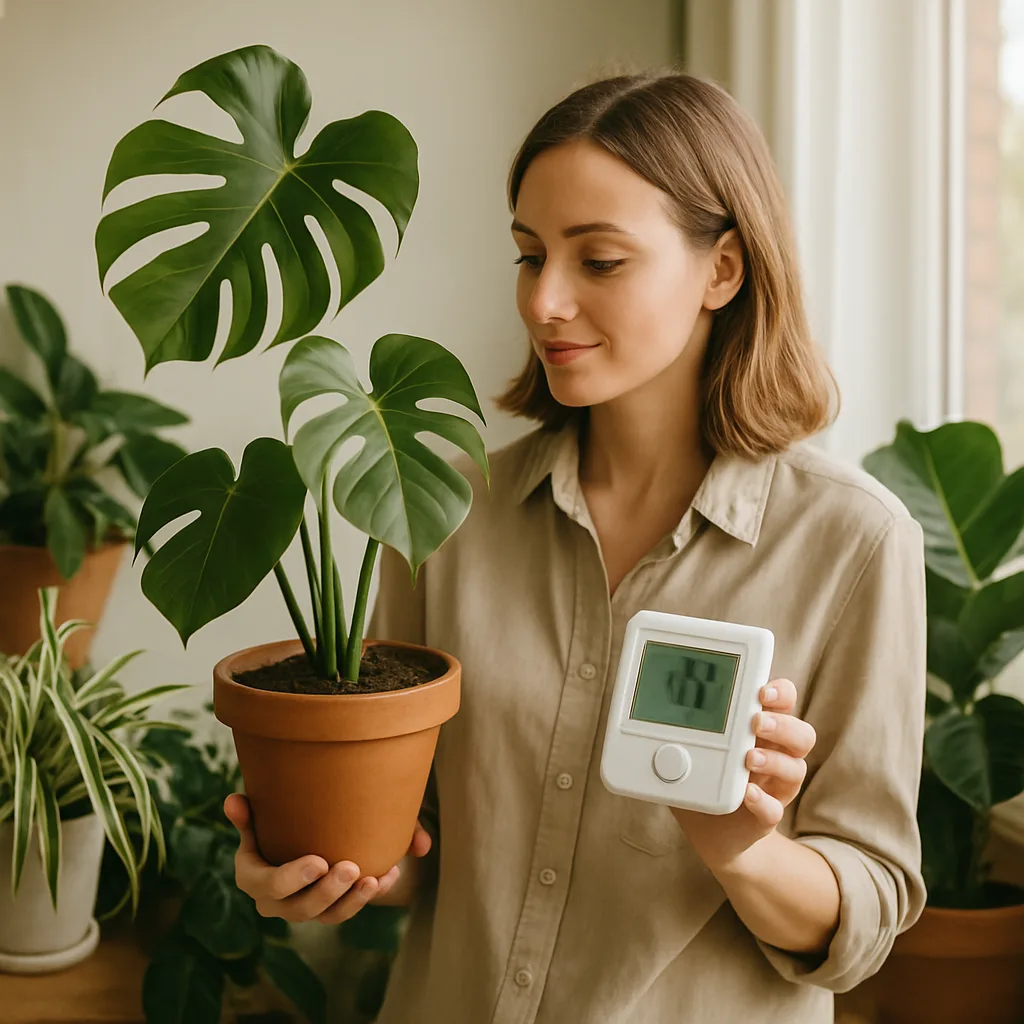
Creating the perfect environment for your houseplants can be a thrilling yet challenging endeavor. One of the most notable aspects of this quest is mastering the climate within your home to ensure your green companions thrive. While many factors play a role in plant health, lighting conditions are often the most misunderstood. I’ll share a personal journey of how a simple change in lighting position transformed my houseplant’s health and growth.
The Importance of Light for Houseplants
Light is a fundamental driver of photosynthesis, the process that allows plants to convert light into energy. Without adequate lighting, your houseplants may struggle to grow, or worse, begin to wither. The key to mastering indoor lighting begins with understanding the specific needs of your plants. Different species demand varying degrees of light intensity and duration.
My Lighting Epiphany: A Tale of Two Corners
Initially, I had assumed that my fiddle leaf fig, positioned in a seemingly bright corner, was receiving sufficient light. However, its leaves began to drop, and growth became stunted. After some research, I realized its positioning might not be as optimal as it seemed. I decided to move the plant from the corner 1.5 meters away from a north-facing window to a spot just 50 centimeters away from a south-facing window.
Measuring the Impact of the Move
The results were astonishing. Within a few weeks, the fiddle leaf fig began to produce new, vibrant leaves. The increased exposure to direct, though not scorching, sunlight was exactly what it needed. This experience taught me the significant impact of window orientation and proximity on plant health. The move highlighted the difference between perceived brightness and actual light availability.
Understanding Window Orientation and Light Intensity
In my experience, the direction your windows face greatly influences the type of light your plants receive. South-facing windows generally provide the most intense light, ideal for most sun-loving plants. North-facing windows, on the other hand, offer gentler, indirect light, suitable for shade-tolerant species.
Moving my plant closer to a south-facing window dramatically improved its health, a testament to the importance of light intensity. However, this move might not suit every plant. It’s crucial to understand the specific lighting needs of your species to avoid potential issues like leaf burn from excessive sunlight.
Experimenting with Grow Lights
In spaces where natural light is insufficient, grow lights can be a game-changer. I experimented by placing a grow light 30 centimeters above a pothos in a dim corner of my living room. The plant responded positively, with lush foliage and steady growth. Grow lights mimic the sun’s spectrum, providing plants with the energy they require, especially in areas lacking natural light.
Balancing Duration and Intensity
The success with grow lights depends on balancing the duration and intensity of artificial lighting. I set my grow light on a timer to give my pothos 12 hours of light daily, simulating a natural day-night cycle. It’s vital to adjust these settings based on your plant’s response, as some species may require more or less exposure.
Common Lighting Mistakes and How to Avoid Them
One common error is mistaking indirect light for shade. For instance, I initially believed my living room was bright enough for succulents, resulting in leggy growth and color fading due to inadequate light. This mistake taught me to critically assess and adjust light conditions rather than assume adequacy.
Conclusion
Mastering the climate for your houseplants is not only about understanding their basic needs but also about trial, error, and adaptation. My experiences with repositioning plants and experimenting with grow lights have shown that even minor changes in light exposure can make a significant difference in plant vitality.
As you embark on your journey to create the perfect sanctuary for your houseplants, remember that each plant is unique. Observe their reactions to changes in lighting, and don’t hesitate to adjust their environment to meet their specific needs. With patience and attention, your indoor garden can flourish, transforming your living space into a lush, verdant retreat.
Gardening Writer & Plant Enthusiast
Sarah Mitchell is a passionate gardening writer dedicated to helping people bring more nature into their homes. She loves exploring indoor plants, flowers, and sustainable gardening practices, sharing simple and practical tips that make plant care easier for everyone.