
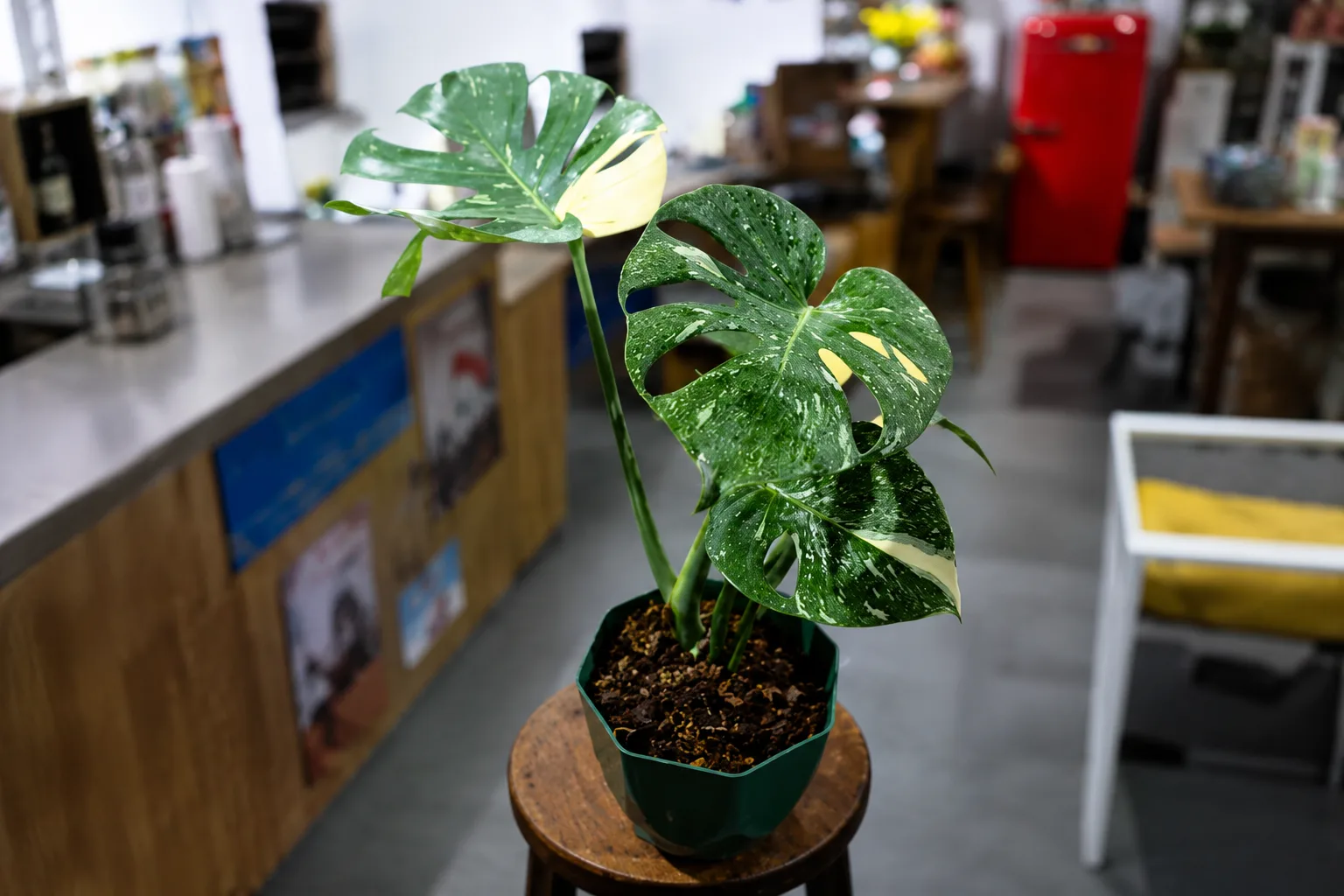
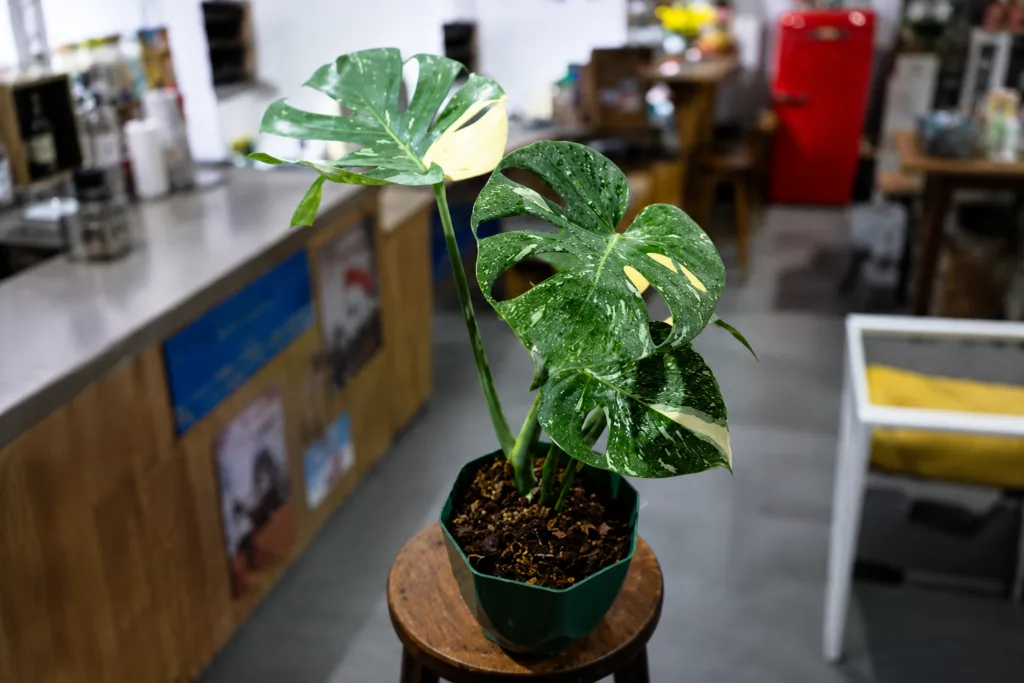
I had my Monstera deliciosa for almost two years before it produced a single leaf with real splits and holes. Every new leaf came in large and healthy, but solid — no fenestration, none of the dramatic Swiss-cheese look I’d bought the plant for in the first place. I spent a long time assuming this was just how my particular plant was going to be, until I started actually researching why fenestration happens at all, rather than just assuming it would show up eventually on its own.
This is what changed things for me, along with the rest of what real Monstera deliciosa care has looked like once I stopped just keeping the plant alive and started paying attention to what it actually needed to look the way I wanted.
Why Mine Wasn’t Fenestrating
Fenestration — those signature splits and holes — isn’t something every Monstera leaf produces automatically just from being healthy. It’s tied to plant maturity and, from what I’ve observed with my own plant, fairly directly tied to light levels. My Monstera was doing fine on indirect light a few feet from a window, producing new leaves reliably, but every one of them came in as a solid heart shape.
I moved it to a spot with noticeably brighter indirect light, closer to a window without going into direct sun, and gave it a moss pole to climb at the same time. The next leaf that emerged after that change still came in solid, but the one after that had its first real split. Since then, nearly every new leaf has shown some degree of fenestration, and the leaves themselves have also gotten larger than what the plant was producing before. I can’t say for certain which of those two changes — the brighter light or the support to climb — mattered more, since I made them together, but the combination clearly worked.
The Moss Pole Decision I Put Off Too Long
I resisted adding a moss pole for a long time because my Monstera seemed to be doing fine sprawling along a shelf. What I didn’t appreciate is that this plant is a vine in its natural habitat, climbing trees and using aerial roots to anchor itself and pull moisture from the air. Without something to climb, mine kept producing leaves at a similar size rather than the noticeably larger leaves I’ve since read climbing Monsteras tend to produce as they mature vertically.
Once I added the moss pole and started gently training the aerial roots toward it, tucking them against the damp moss, new leaves came in visibly larger than what the plant had been producing while sprawling. I keep the moss pole consistently damp, misting it every few days, since I’ve noticed the aerial roots seem to grip and anchor into it more reliably when it’s kept moist rather than dry.
Watering: A Routine I’ve Refined Over Time
I let the top two to three inches of soil dry out before watering thoroughly, which in my apartment has settled into roughly once a week during the growing season and every 10-14 days in winter. I’ve had both overwatering and underwatering show up on this plant at different points, and they’ve looked different enough that I can usually tell which one I’m dealing with: overwatering has shown up as yellowing lower leaves and a soil that stays visibly wet for days, while underwatering has caused a more overall droopy, slightly crispy look across newer leaves rather than isolated yellowing.
Choosing a Pot That Actually Matched the Plant’s Size
I made the mistake early on of repotting into a pot that felt appropriately larger to me by eye, only to realize afterward it was significantly bigger than the “just slightly larger than the root ball” sizing I’d read about elsewhere but hadn’t taken seriously enough. The oversized pot held onto moisture longer than the roots could use, and I ended up with a mild case of yellowing leaves within a couple of months that traced back to the excess soil staying damp. Since then I’ve stuck to moving up just one pot size at a time, roughly every one to two years, and haven’t had a repeat issue.
Fertilizing to Support the Bigger Growth I Wanted
Once my Monstera started climbing and fenestrating, I noticed it seemed to benefit from more consistent feeding than it had before, when it was smaller and sprawling. I fertilize with a balanced liquid fertilizer diluted to half strength roughly every 2-4 weeks during spring and summer, and I’ve noticed a fairly clear connection between consistent feeding during this period and both leaf size and how quickly new growth appears. I stop completely in fall and winter, since growth slows dramatically regardless of feeding at that point.
Pruning to Manage Size Without Losing the Look
As my Monstera has grown larger and started climbing, I’ve had to prune more deliberately than I expected, mostly to keep it from taking over the corner of the room it’s in. I cut back leggy stems that grow away from the moss pole rather than toward it, and I’ve used those cuttings for propagation, giving away several rooted plants to friends. Pruning during the growing season, rather than in fall or winter, has consistently resulted in faster recovery and quicker new growth from the cut points in my experience.
Common Problems I’ve Run Into With This Specific Plant
Slow or absent fenestration — in my case, this traced back to insufficient light and the lack of a climbing structure, both of which I addressed together with noticeable results within a couple of new leaf cycles.
Aerial roots that won’t attach to the moss pole — I found that a dry moss pole simply doesn’t give the roots anything to grip, and keeping it consistently damp made a visible difference in how well new aerial roots anchored themselves.
Leaves smaller than expected — beyond light, I’ve noticed a connection to how consistently I’ve been fertilizing during the growing season, with more consistent feeding correlating with larger new leaves.
A leaning, top-heavy plant — once mine started climbing and gained height, the pot became prone to tipping until I switched to a heavier terracotta pot with a wider base, which solved the stability issue.
What I’d Tell Someone Buying Their First Monstera Deliciosa
If getting that classic fenestrated look matters to you the way it did to me, don’t assume it’ll show up automatically just because the plant looks otherwise healthy. Bright indirect light and something for it to climb made the actual difference for mine, after two years of solid, unfenestrated leaves that had me questioning whether I’d somehow gotten the wrong variety.
Frequently Asked Questions
Why isn’t my Monstera deliciosa developing holes in its leaves? Based on my own experience, insufficient light and the lack of a climbing structure were the cause. Moving to brighter indirect light and adding a moss pole led to visible fenestration within a couple of new leaf cycles.
Does a Monstera deliciosa need a moss pole? It’s not strictly required to survive, but in my experience it made a real difference in leaf size and fenestration once I added one and trained the aerial roots to climb it.
How often should I water a Monstera deliciosa? I water mine roughly once a week during the growing season and every 10-14 days in winter, letting the top two to three inches of soil dry out between waterings.
How big of a pot does a Monstera deliciosa need? Based on a mistake I made early on, I’d recommend sizing up just slightly rather than significantly — an oversized pot held onto more moisture than my plant’s roots could use and led to yellowing leaves until I corrected it.

Gardening Writer & Plant Enthusiast
Sarah Mitchell is a passionate gardening writer dedicated to helping people bring more nature into their homes. She loves exploring indoor plants, flowers, and sustainable gardening practices, sharing simple and practical tips that make plant care easier for everyone.